Archive for the ‘museum’ Category

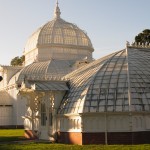
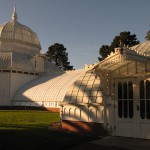
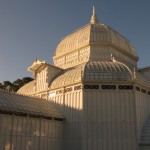
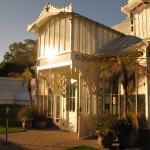
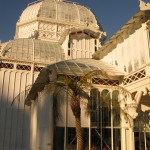
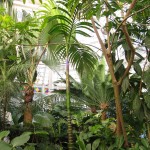
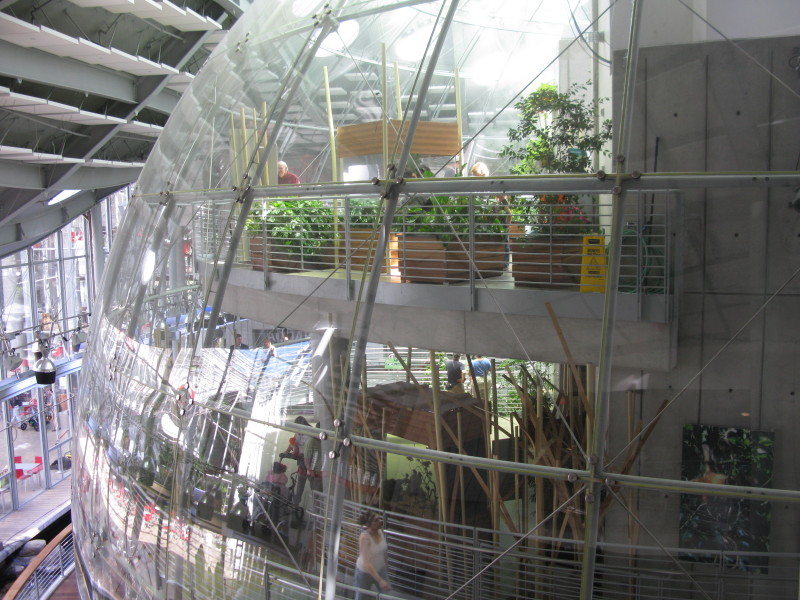
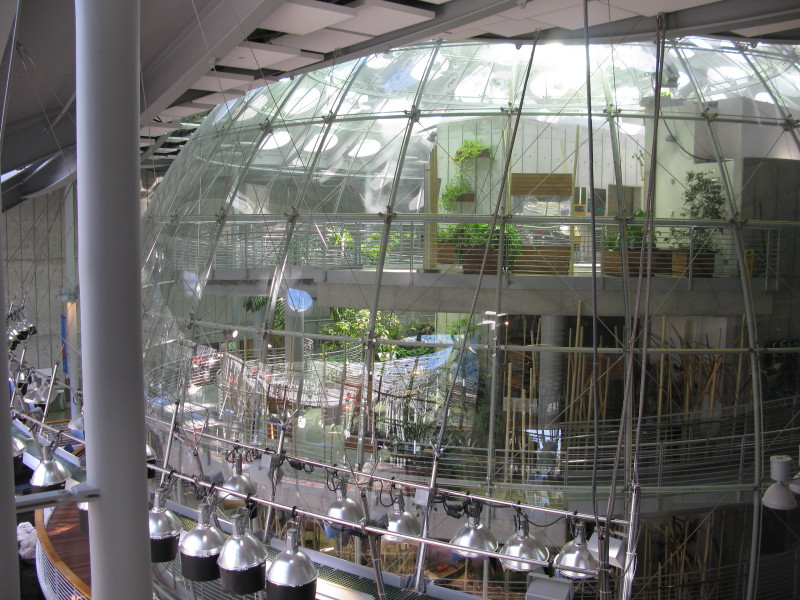
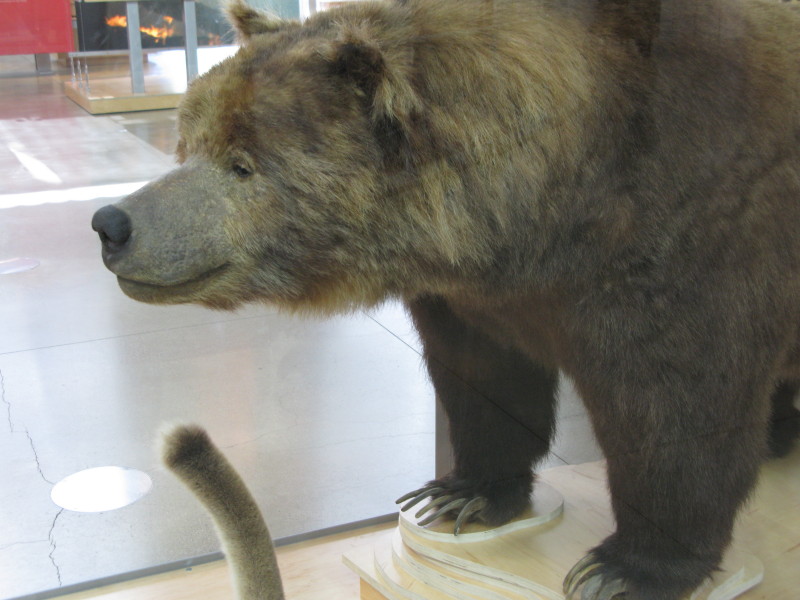
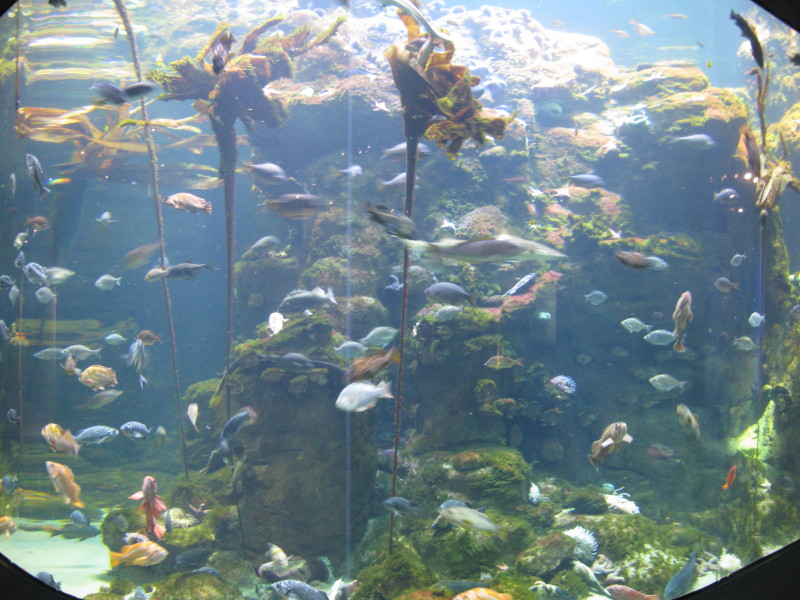
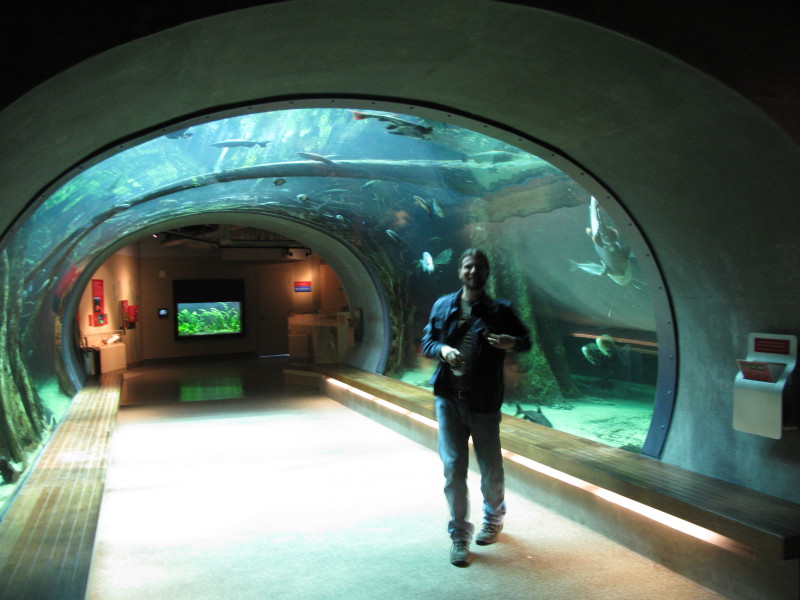
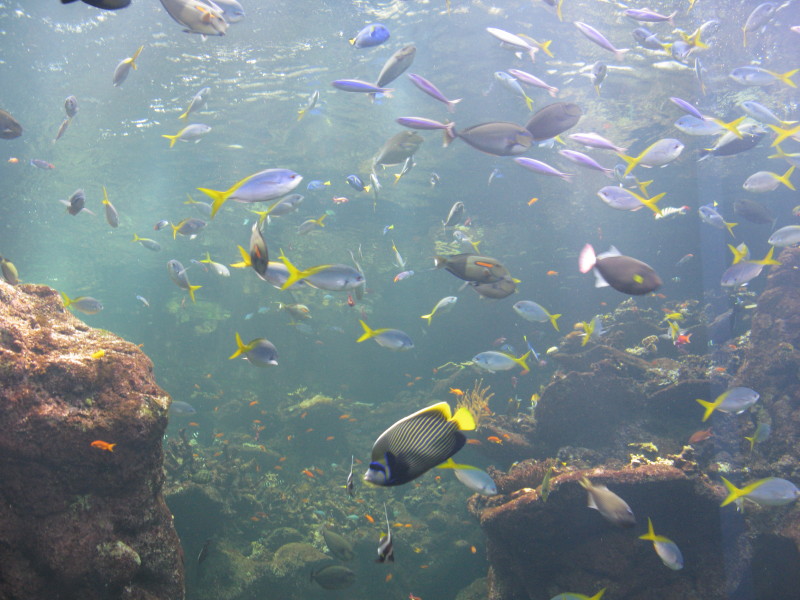
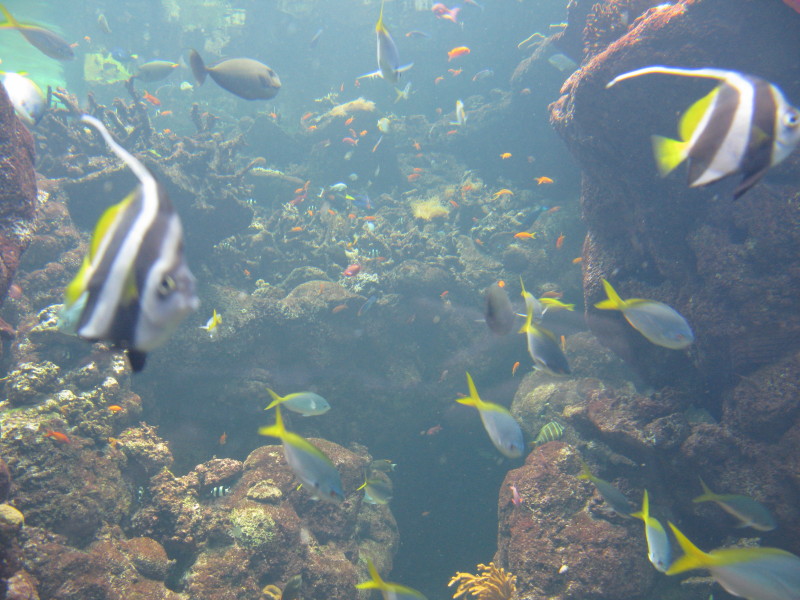
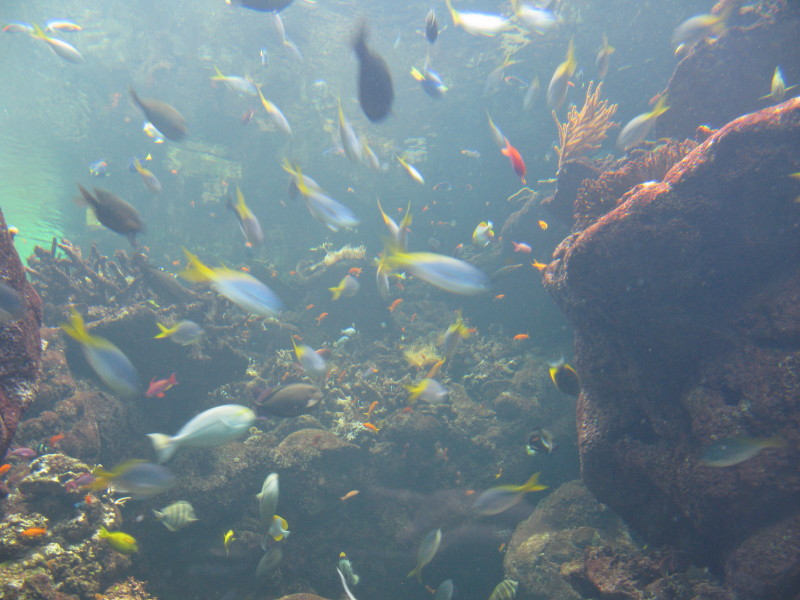
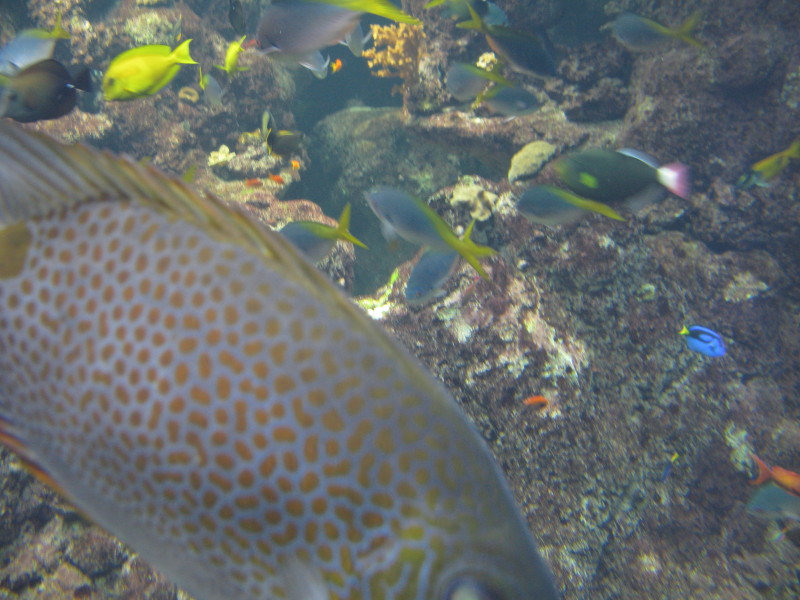
Queer Longhairs and Friends Tour San Francisco Museum

Friday, September 25th, 2009

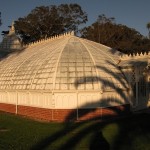
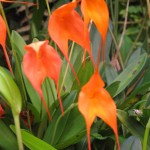
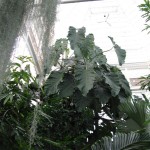
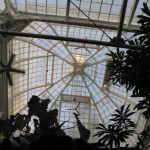
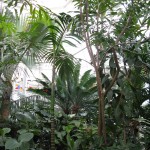
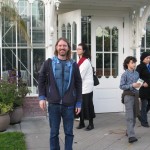
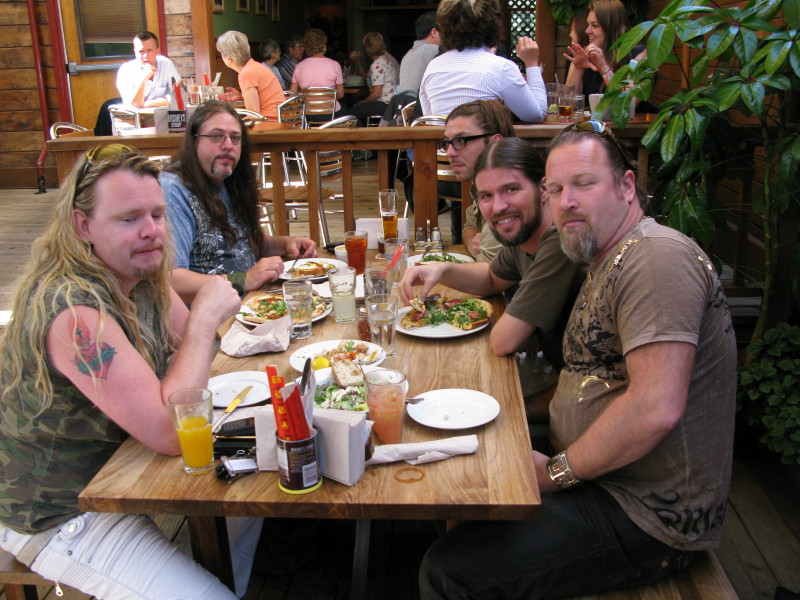
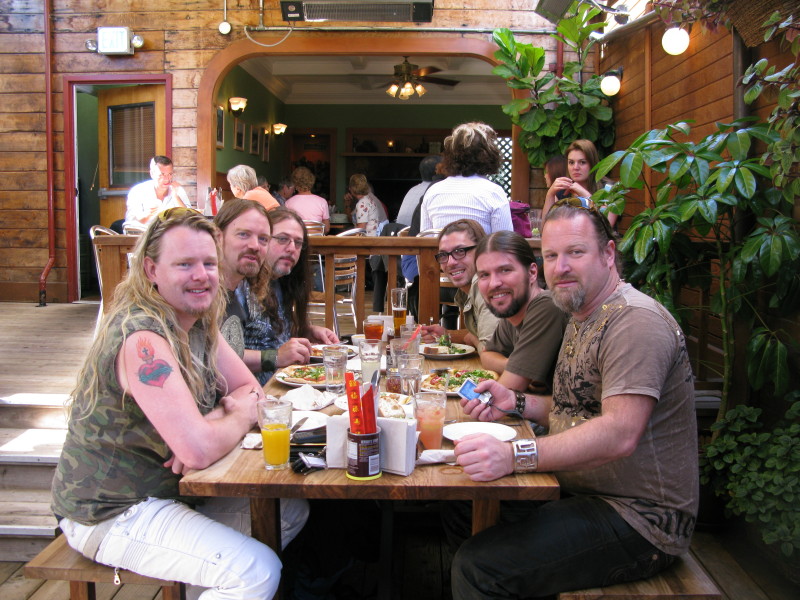
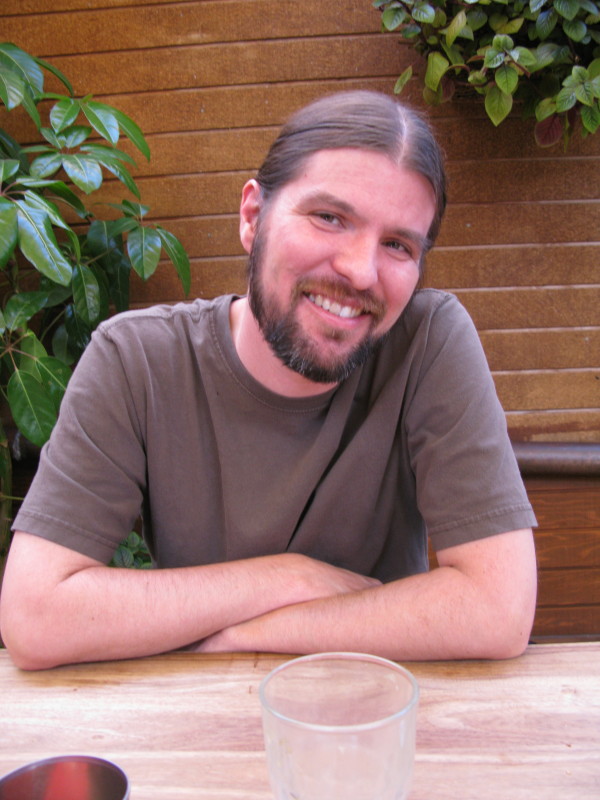
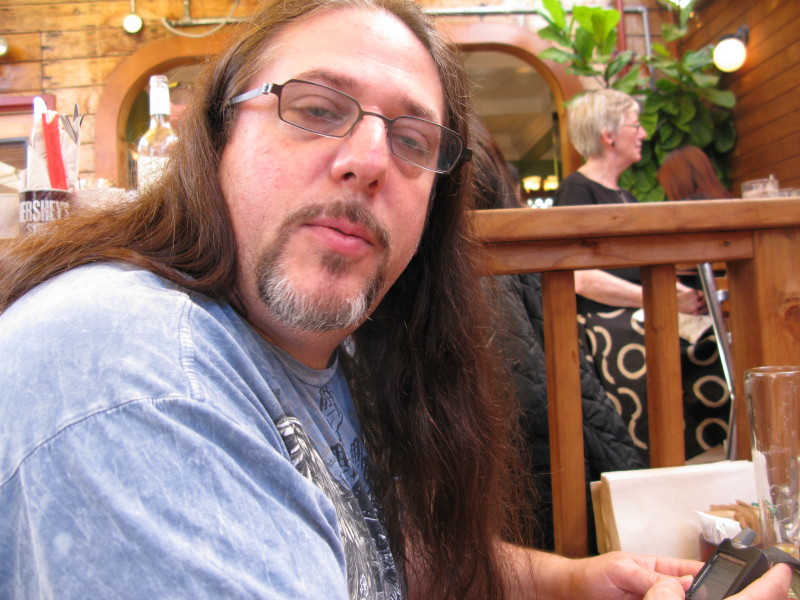
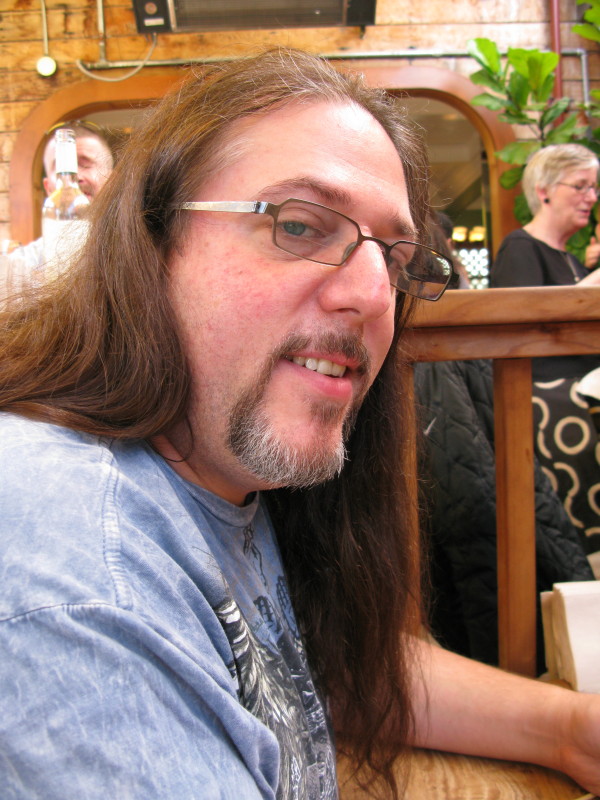
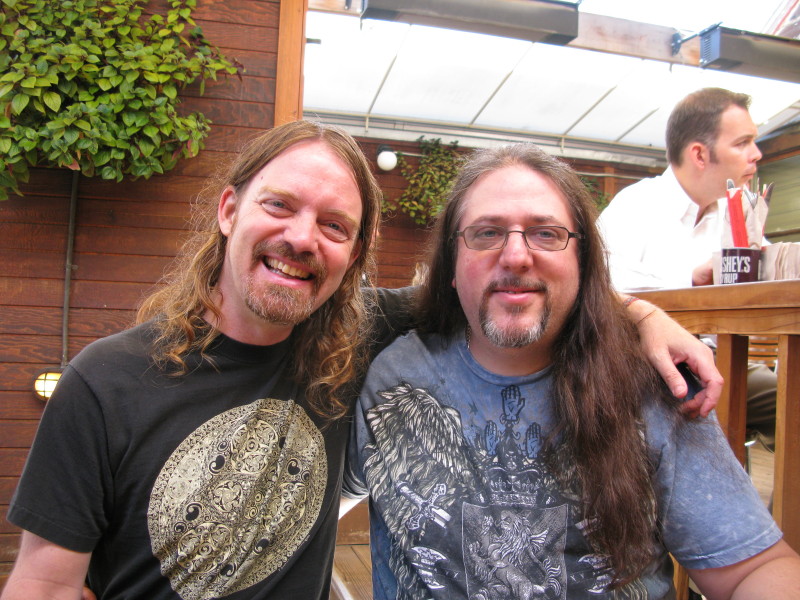
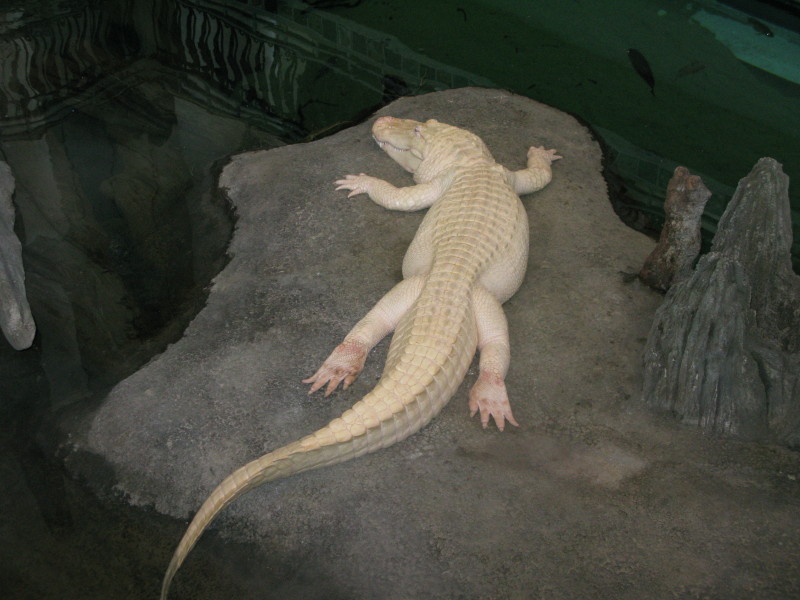
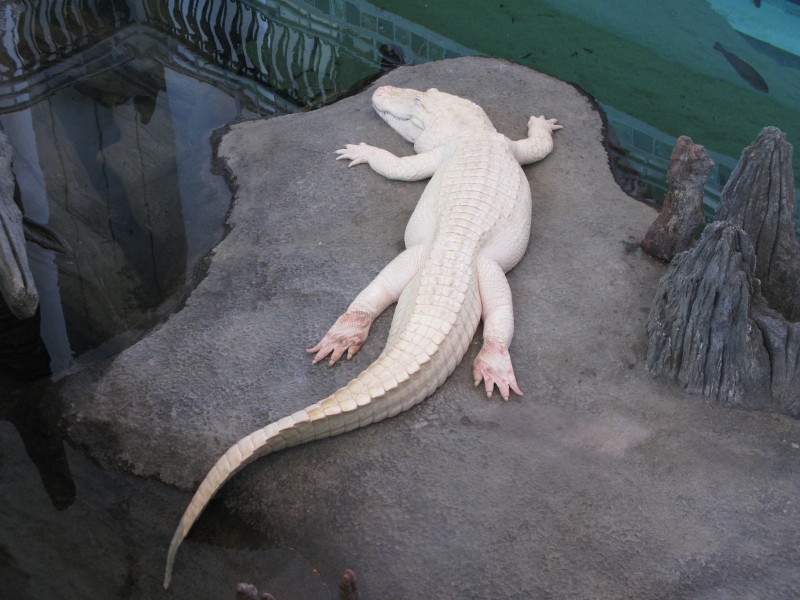
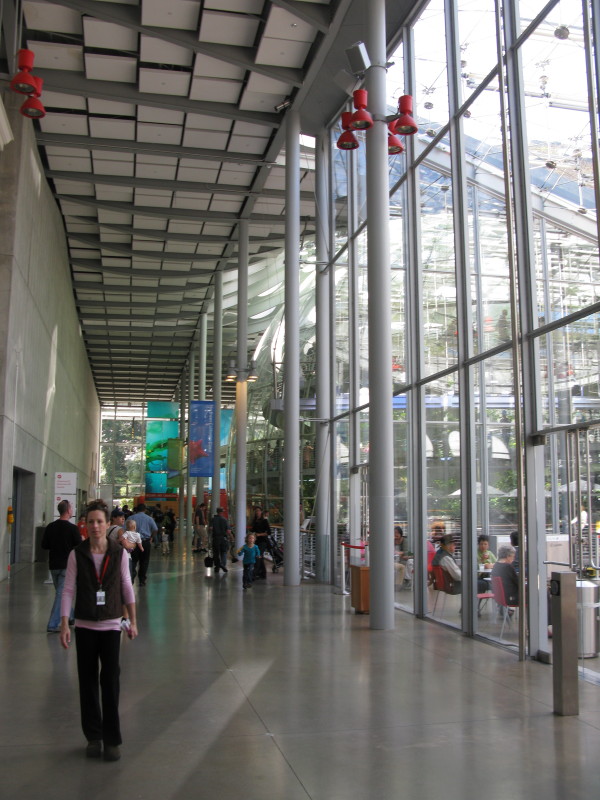
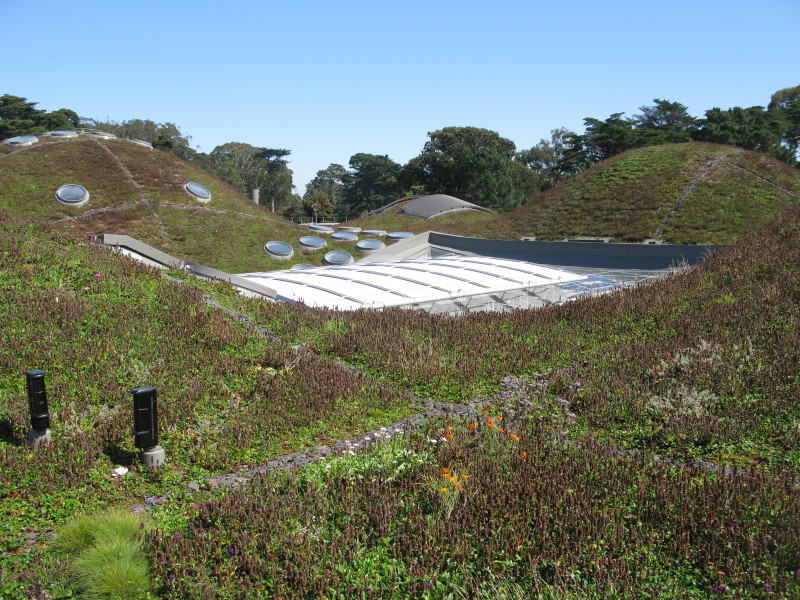
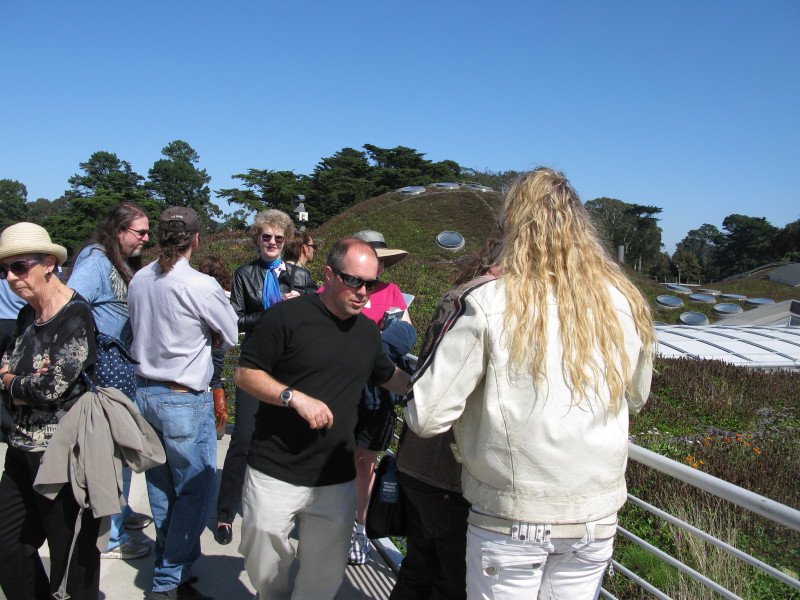
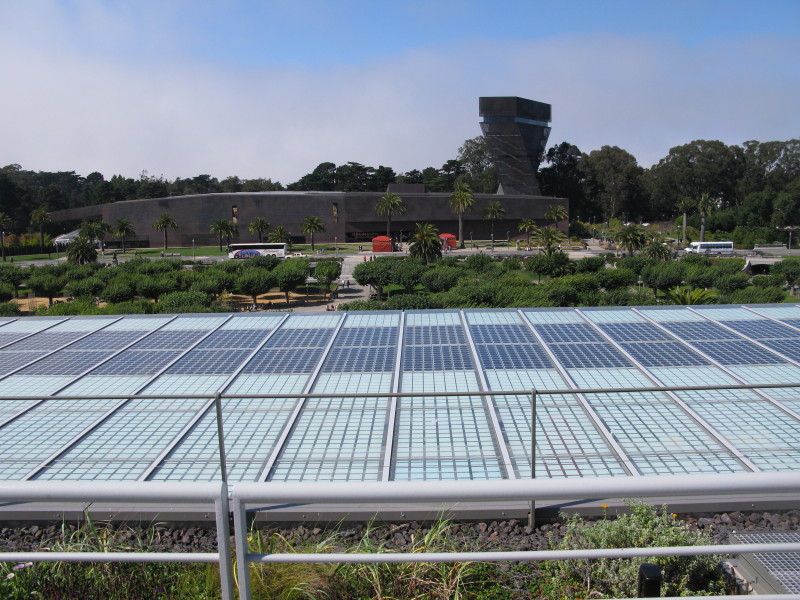
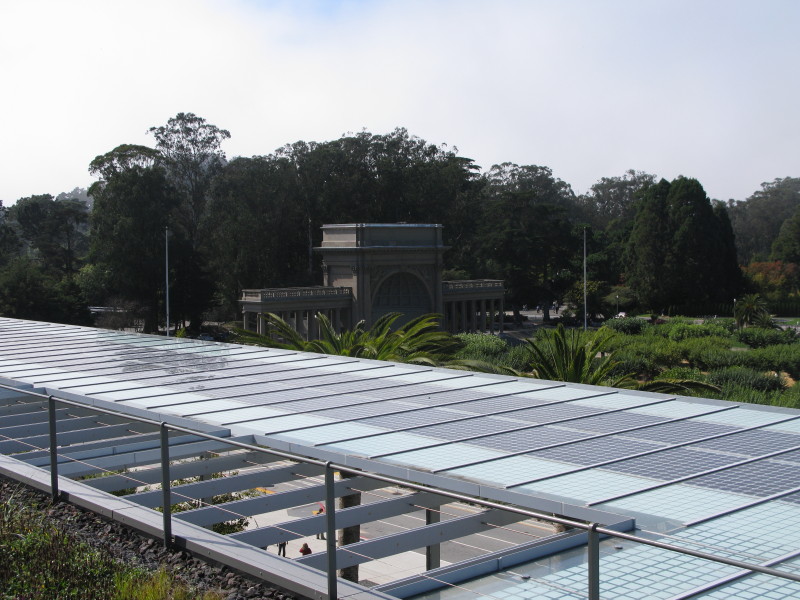
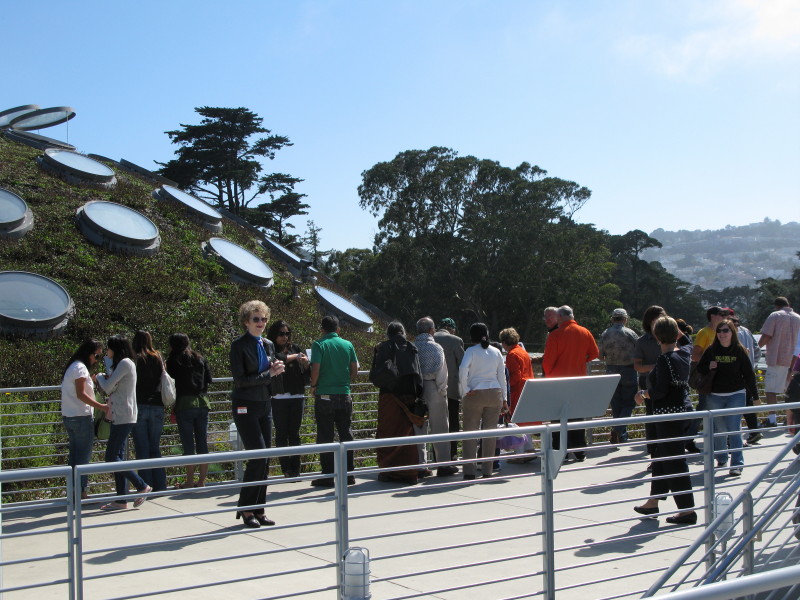
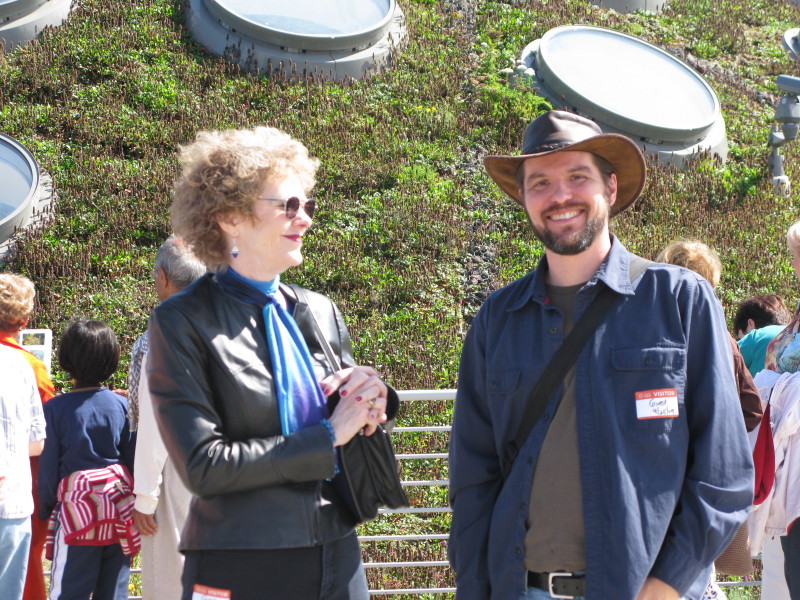
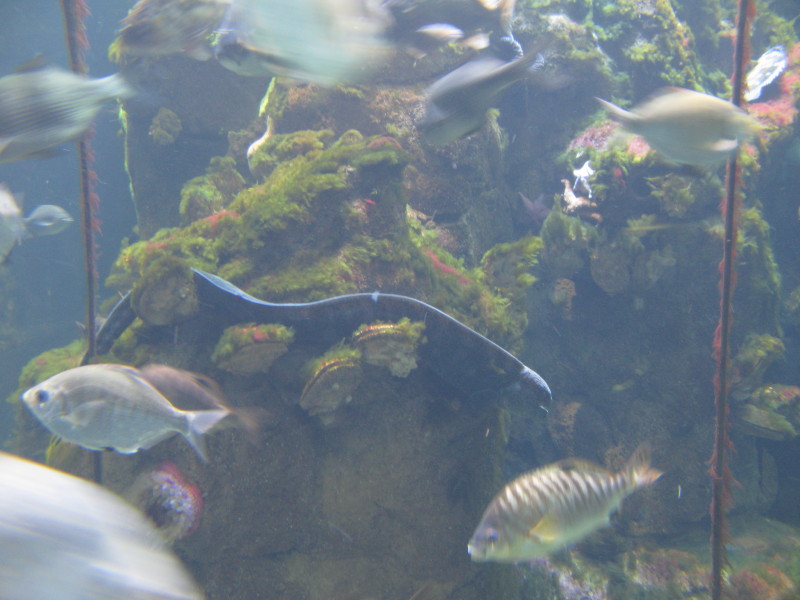
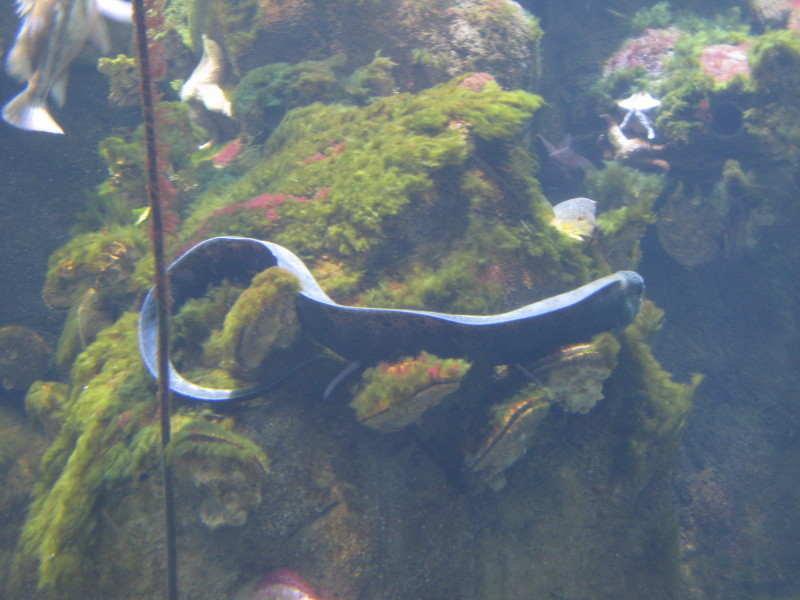
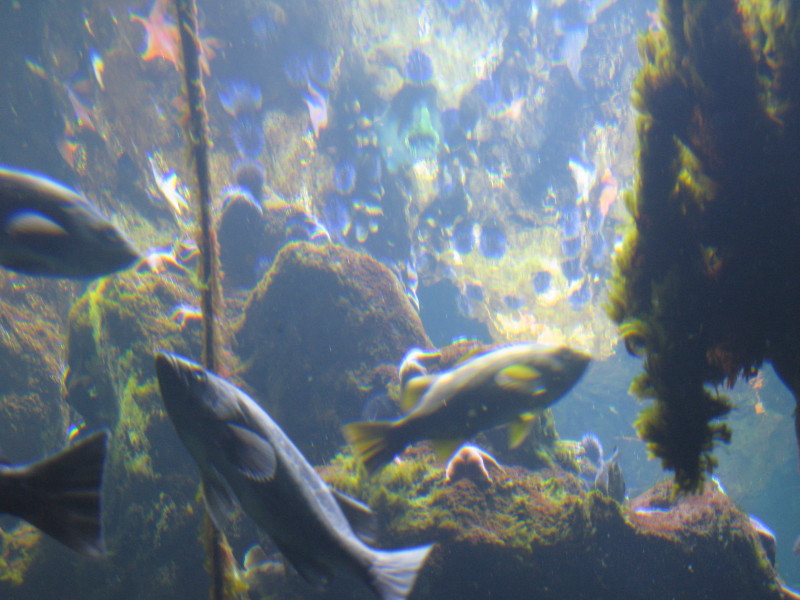
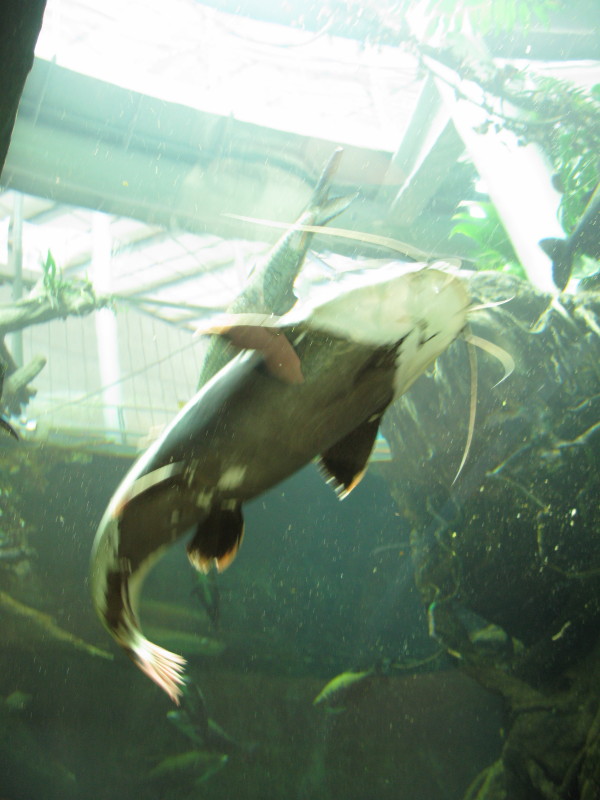
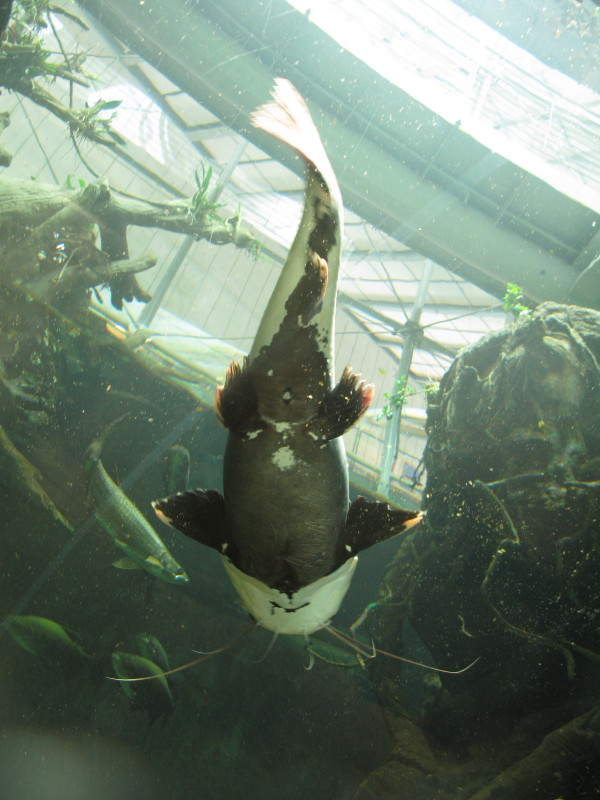
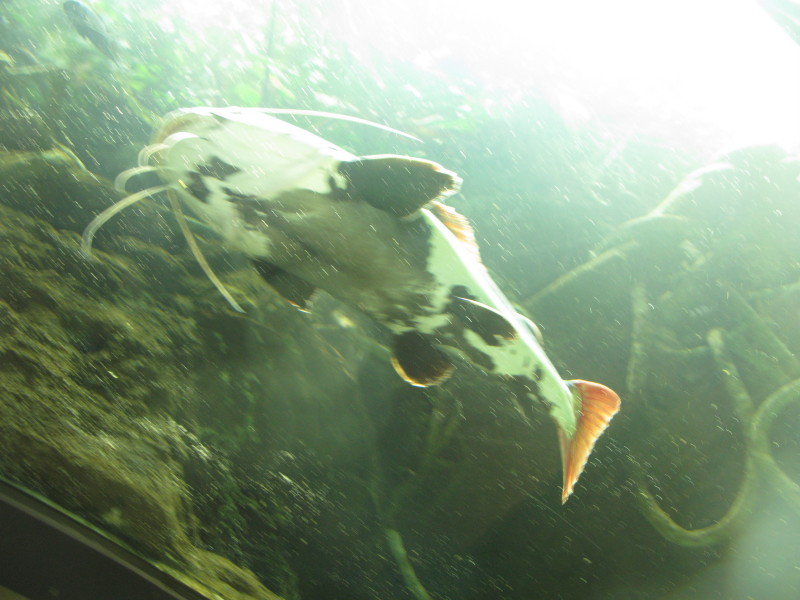
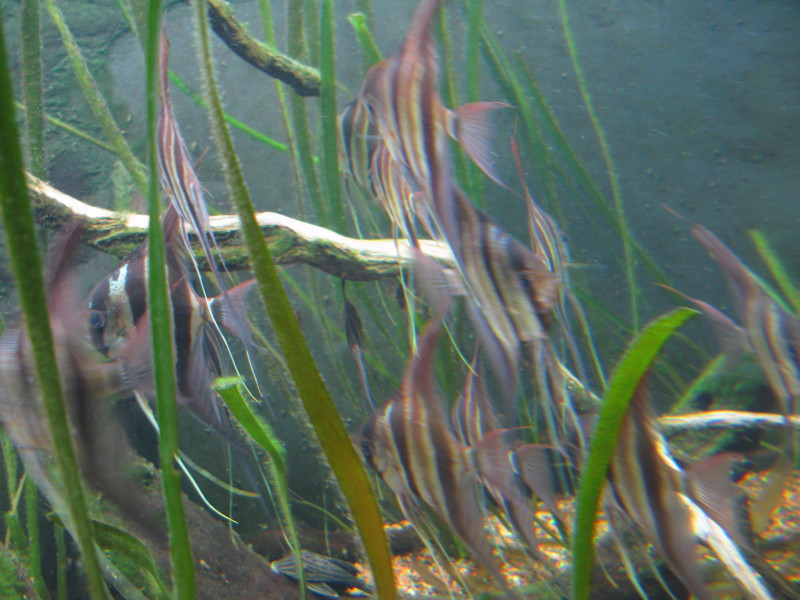
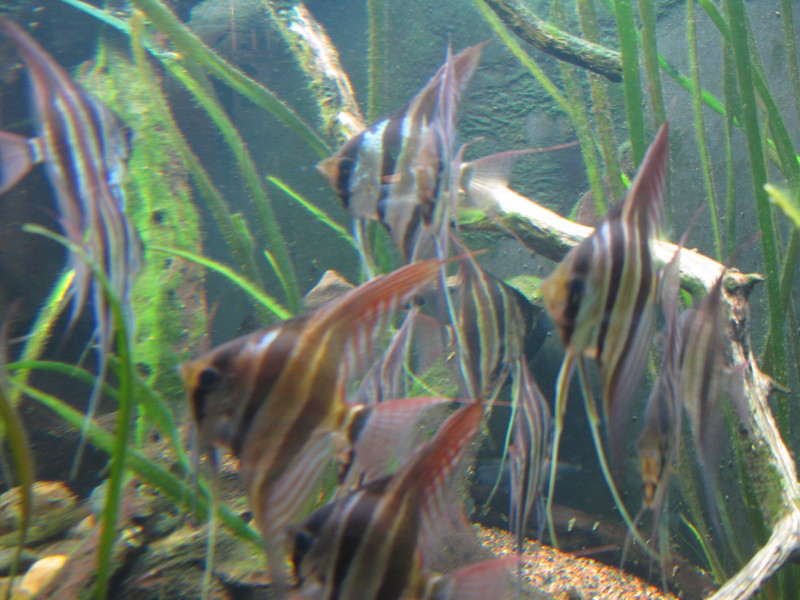
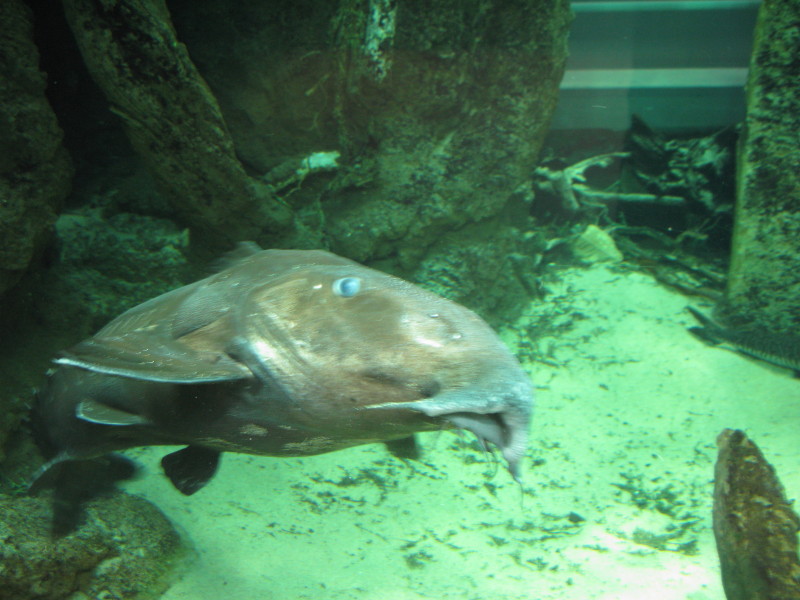
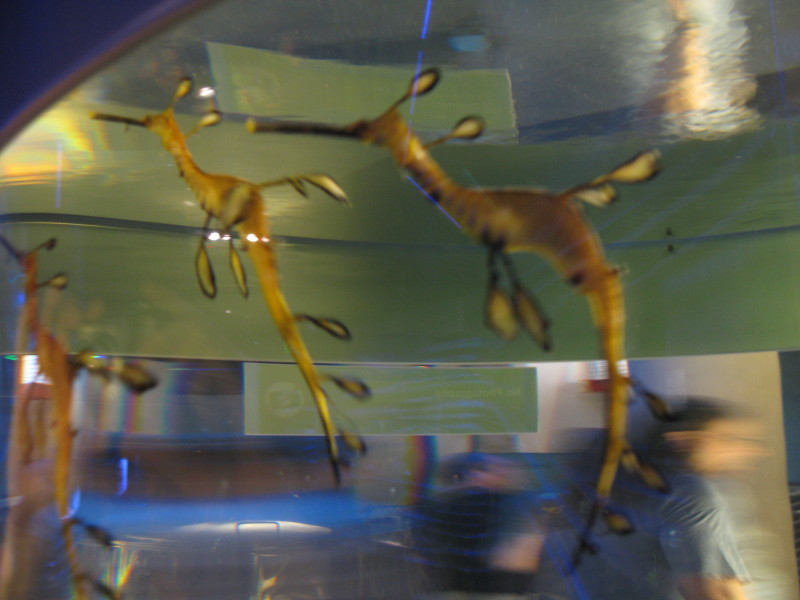
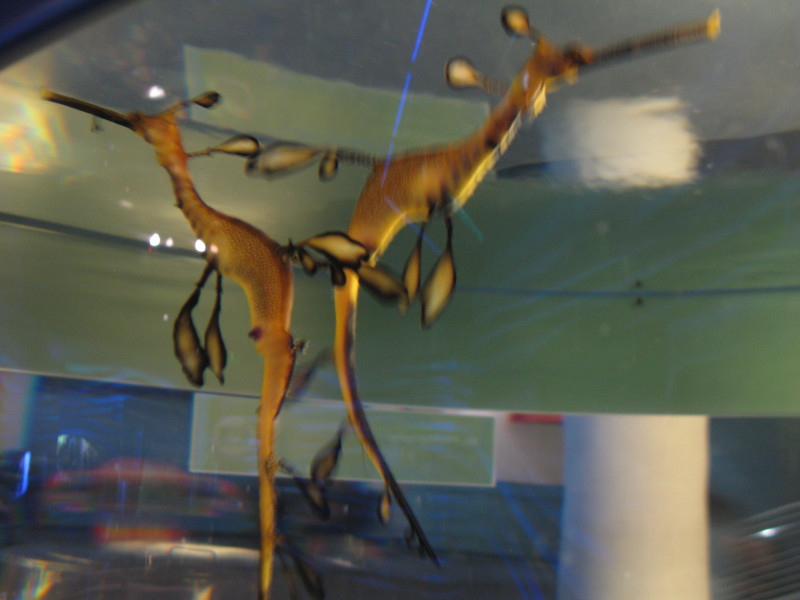
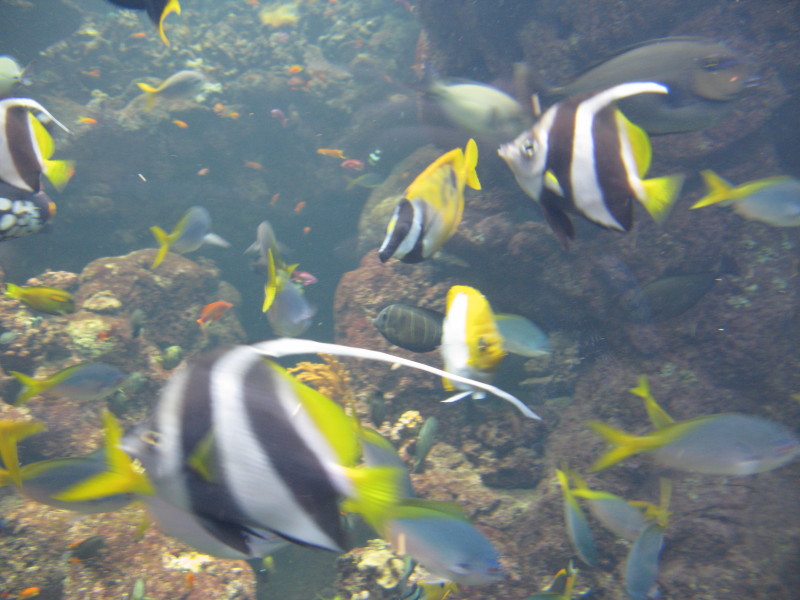
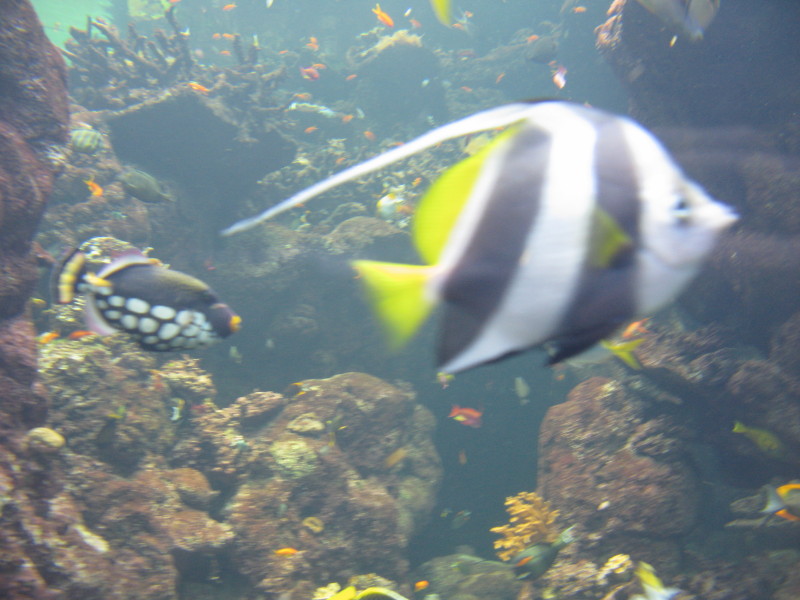
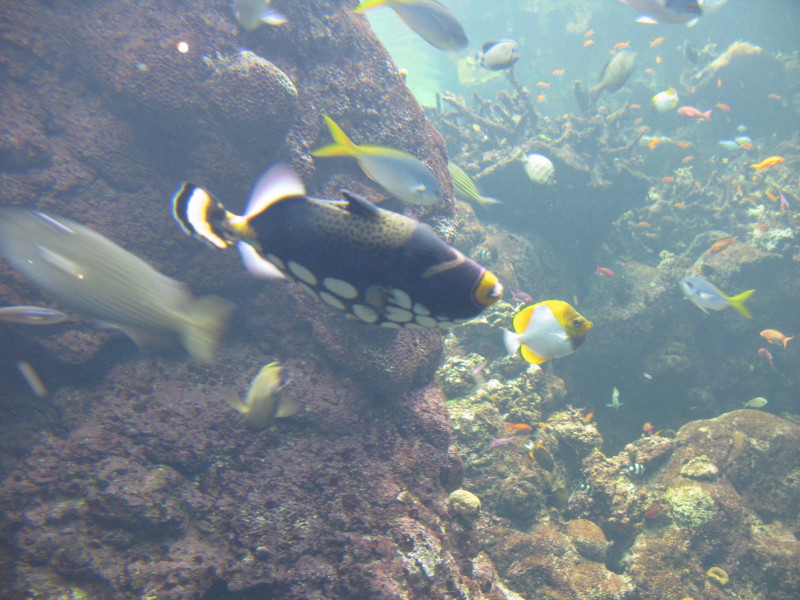
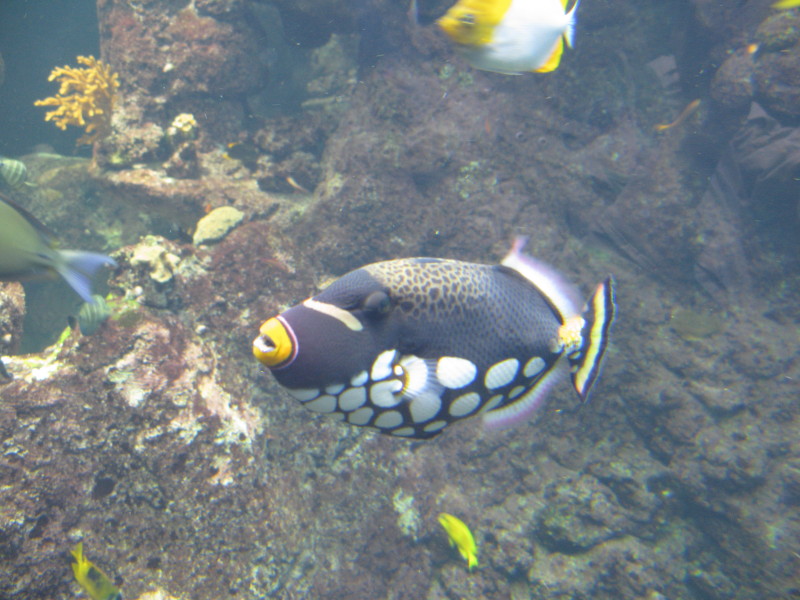
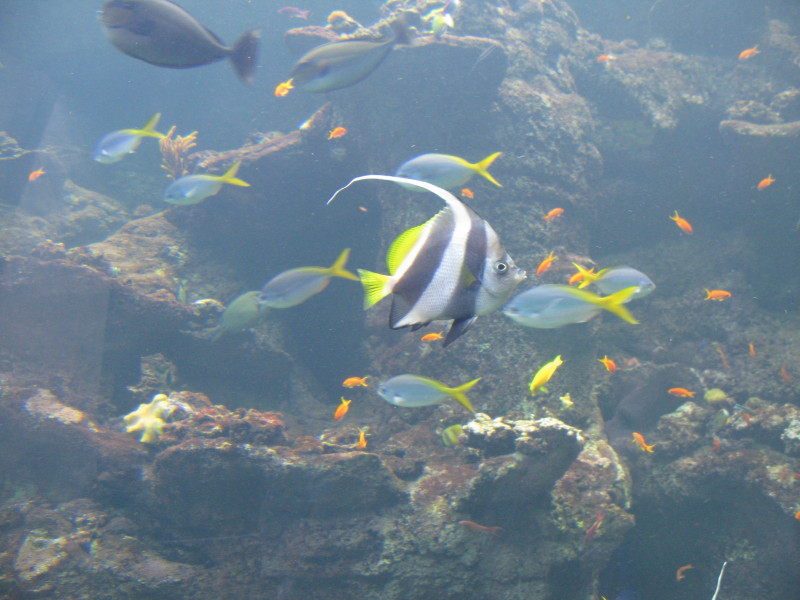
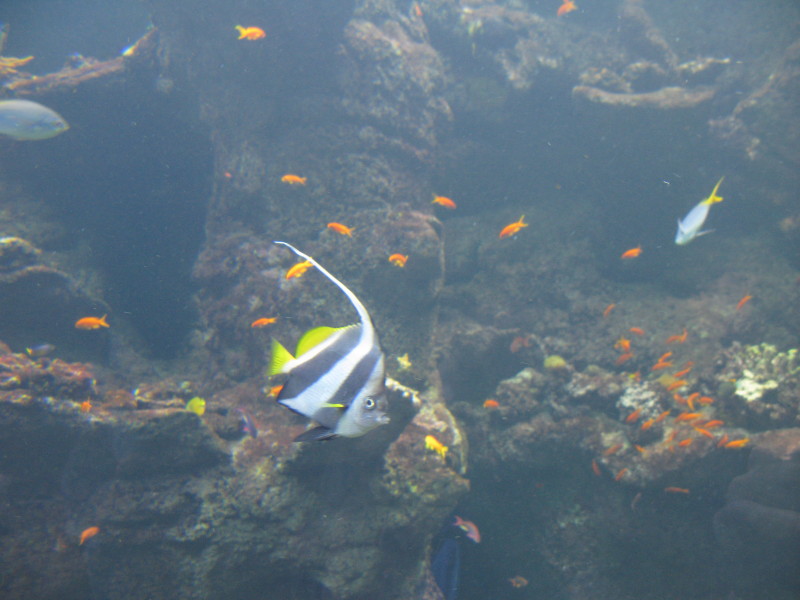
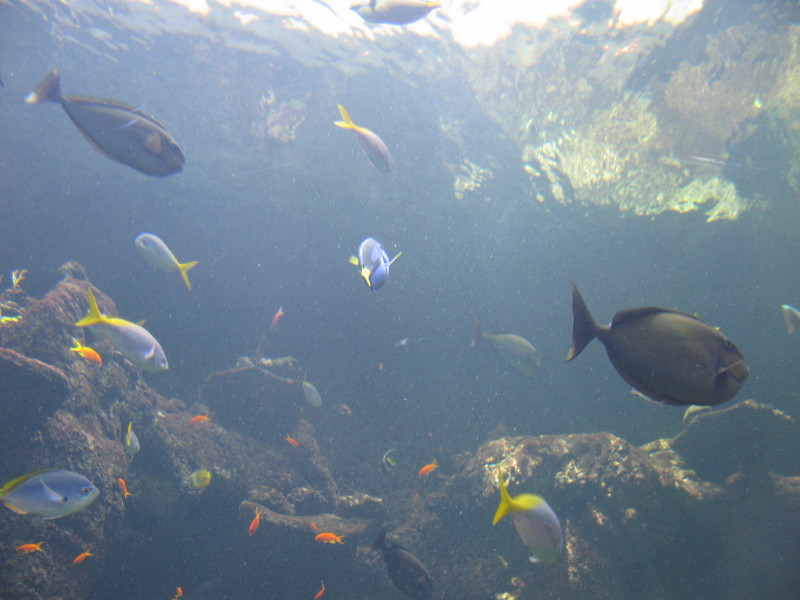
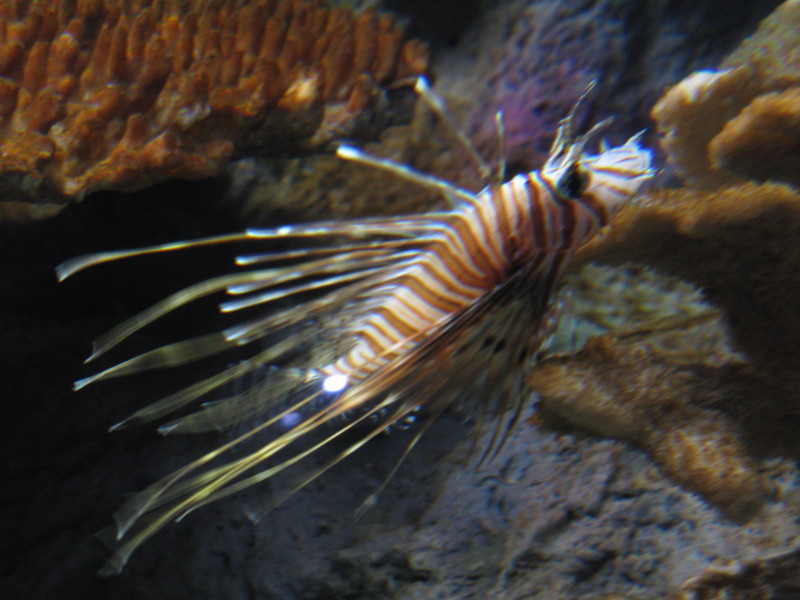
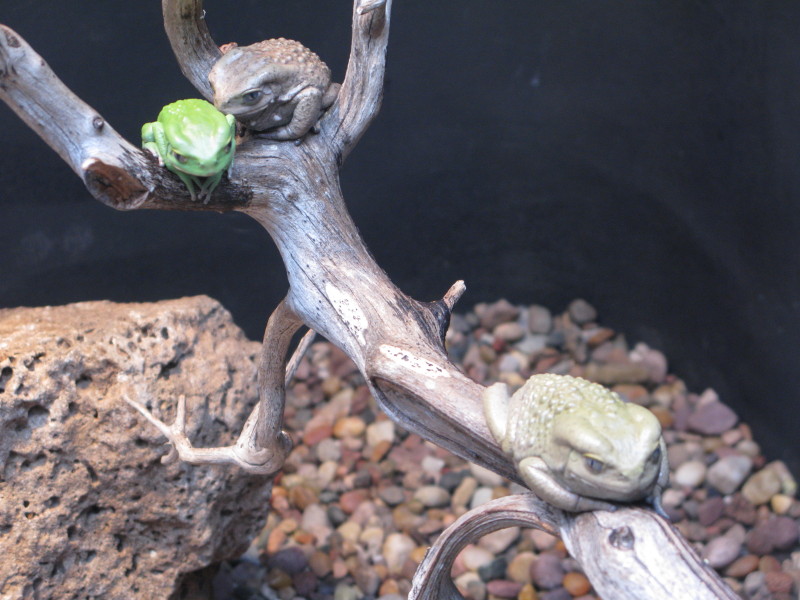
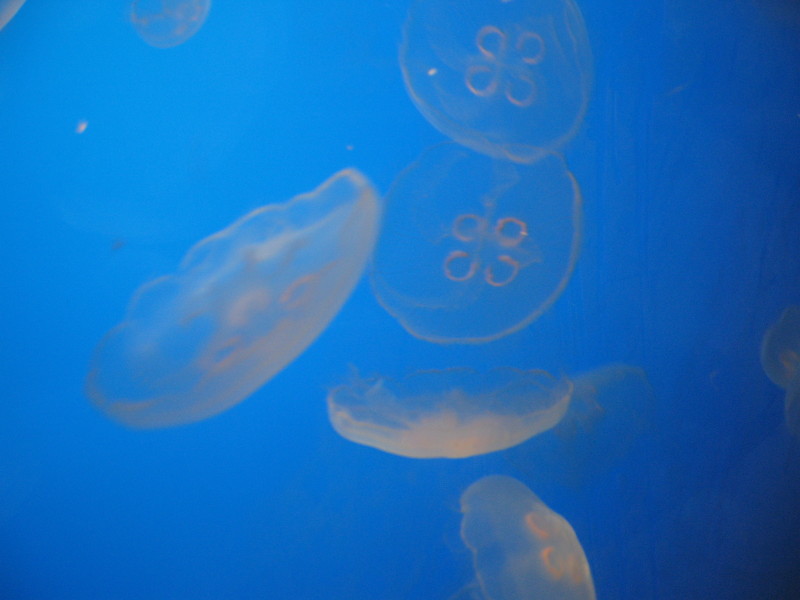
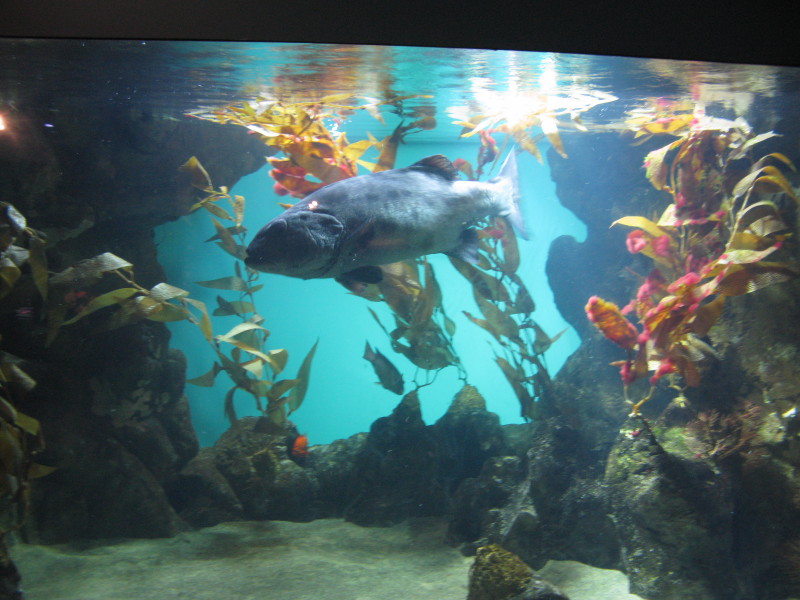
Bill Irion and Robert Southworth were kind enough to invite some of their friends and family, longhairs and otherwise, on a special tour of the new Academy of Sciences museum.

Lunch With Andrew, Oxford and the Ashmolean Museum

Tuesday, June 17th, 2008

Written June 21, 2008, on train from Manchester, England, to Holyhead, Wales, for ferry to Dublin, Ireland

After a good veg breakfast the next morning, I took two buses to Salisbury, then continued on to Oxford. I walked from the train station to the Ashmolean Museum, where I met Andrew Hodges for a pleasant lunch. We hadn’t seen each other for six or seven years since he stopped at Mills College as part of his lecture tour for his book on Alan Turing.

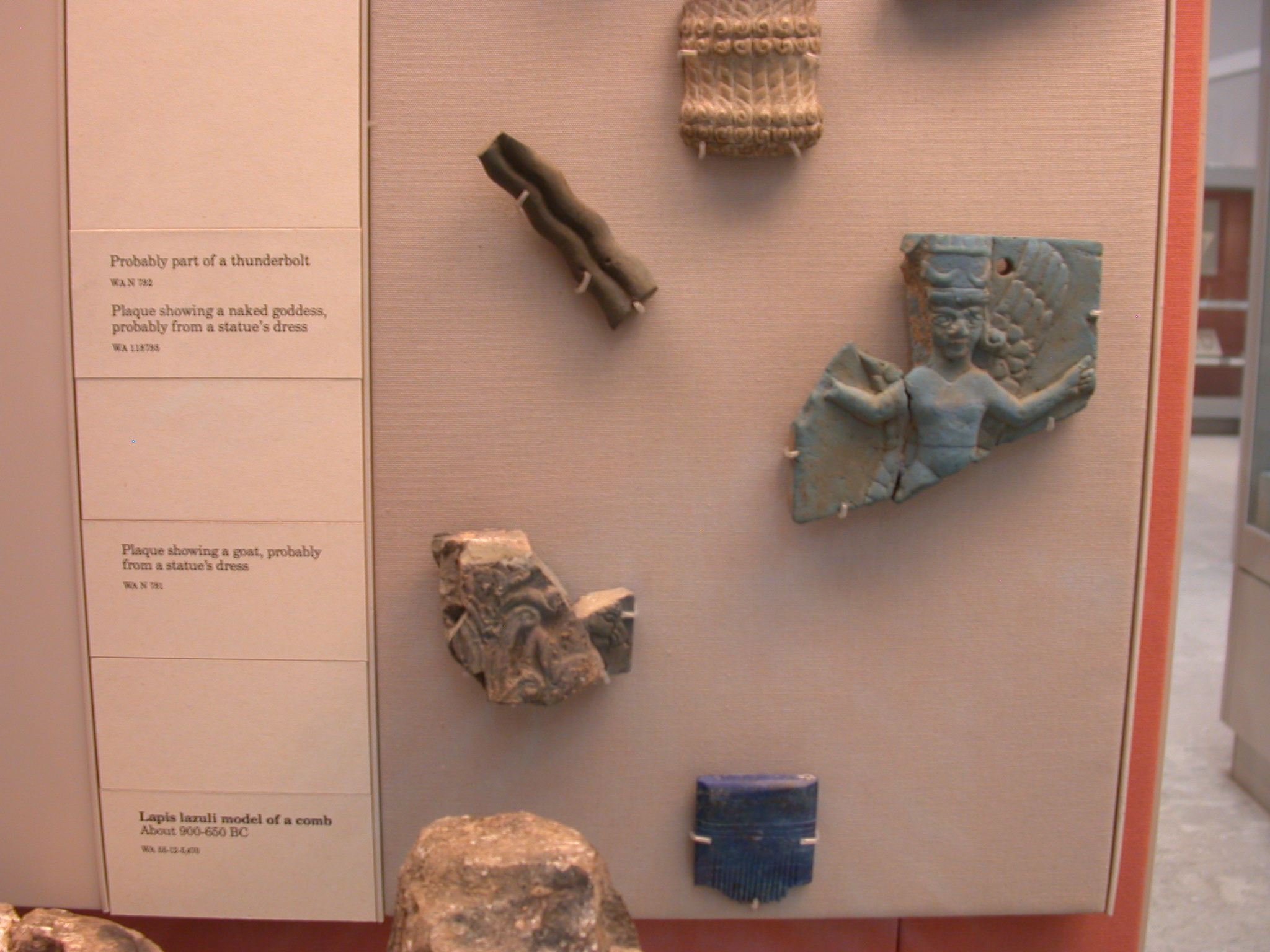
The Ashmolean has a wonderful collection of 25th dynasty materials, which I photographed along with a few contemporary Assyrian items.

On Andrew’s advice, I took a walk through town to see the old campus halls, the church, and other beautiful buildings. Then, back to the station and on to Manchester.

British and Horniman Museums, Veg Restaurant, and Pagan Pub

Saturday, June 14th, 2008

Written on June 14, 2008, in Nell of Old Drury Pub opposite Theatre Royal Drury Lane, London, United Kingdom

I returned to the hotel last evening thinking I’d perhaps go out later to a gay pub – after a short nap, I thought. Instead, I ended up crashing fairly hard and not feeling like getting out of bed despite a fairly troubled night’s sleep.

I haven’t developed any affection for the hotel. I heard people talking in the streets and through thin walls to the other rooms all night long. The fan makes such a racket when I turn on the bathroom light that I decided to pee with the light off. My criticism about the TV not working turned out to be unfounded however – I was pressing the off button on the remote to try to turn on the TV.

Waking this morning, I did a backup of all the pictures I’d taken. I rushed to get breakfast before 9:00: toast with jam, wait for scrambled or sunny-side-up eggs, a bit of juice made from a powder (like Tang), and tea that had such a slimy goo in it I was afraid to drink it. I chatted with a fellow from New Zealand seeking his fortune as an IT consultant in Britain.

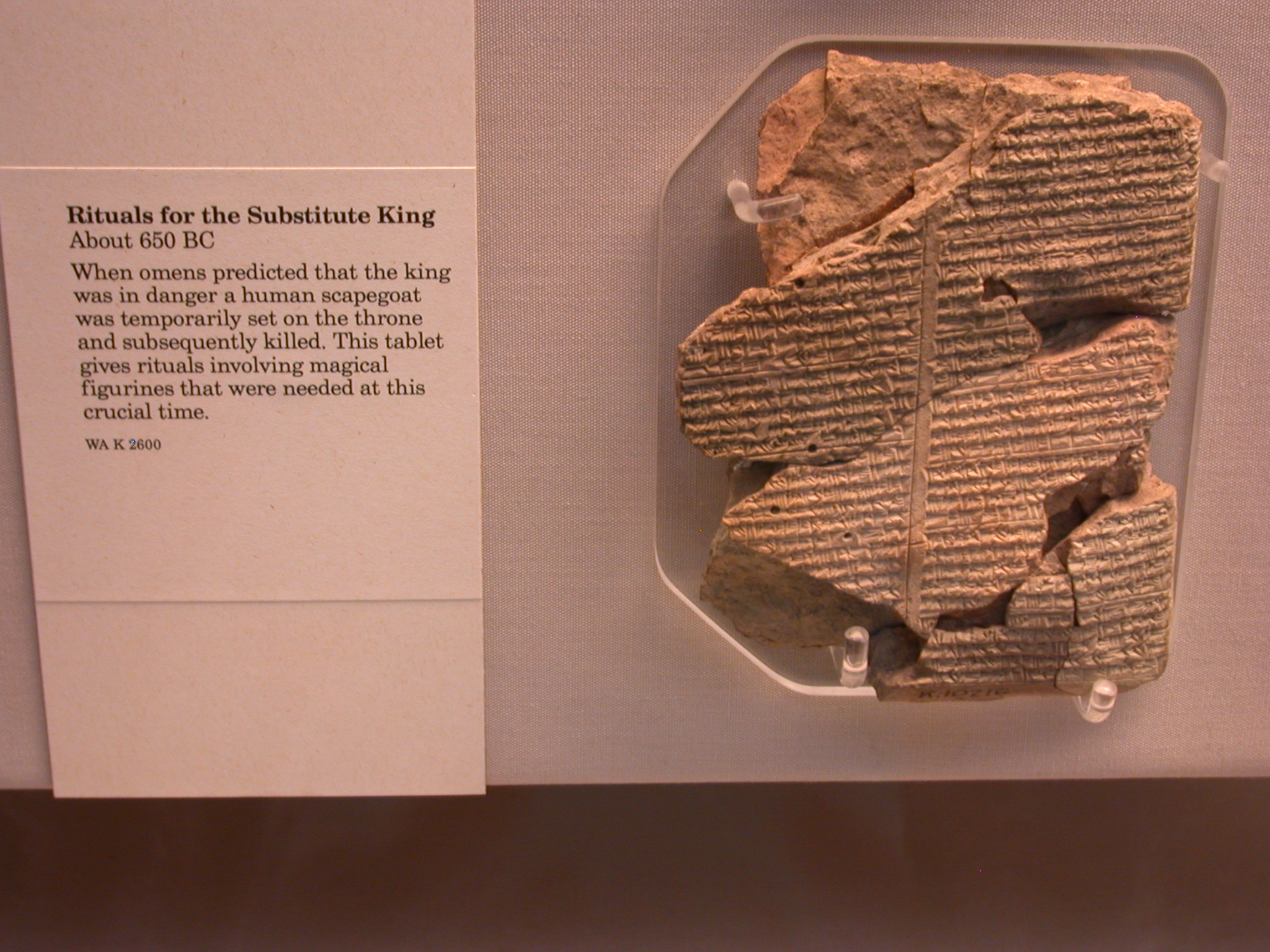
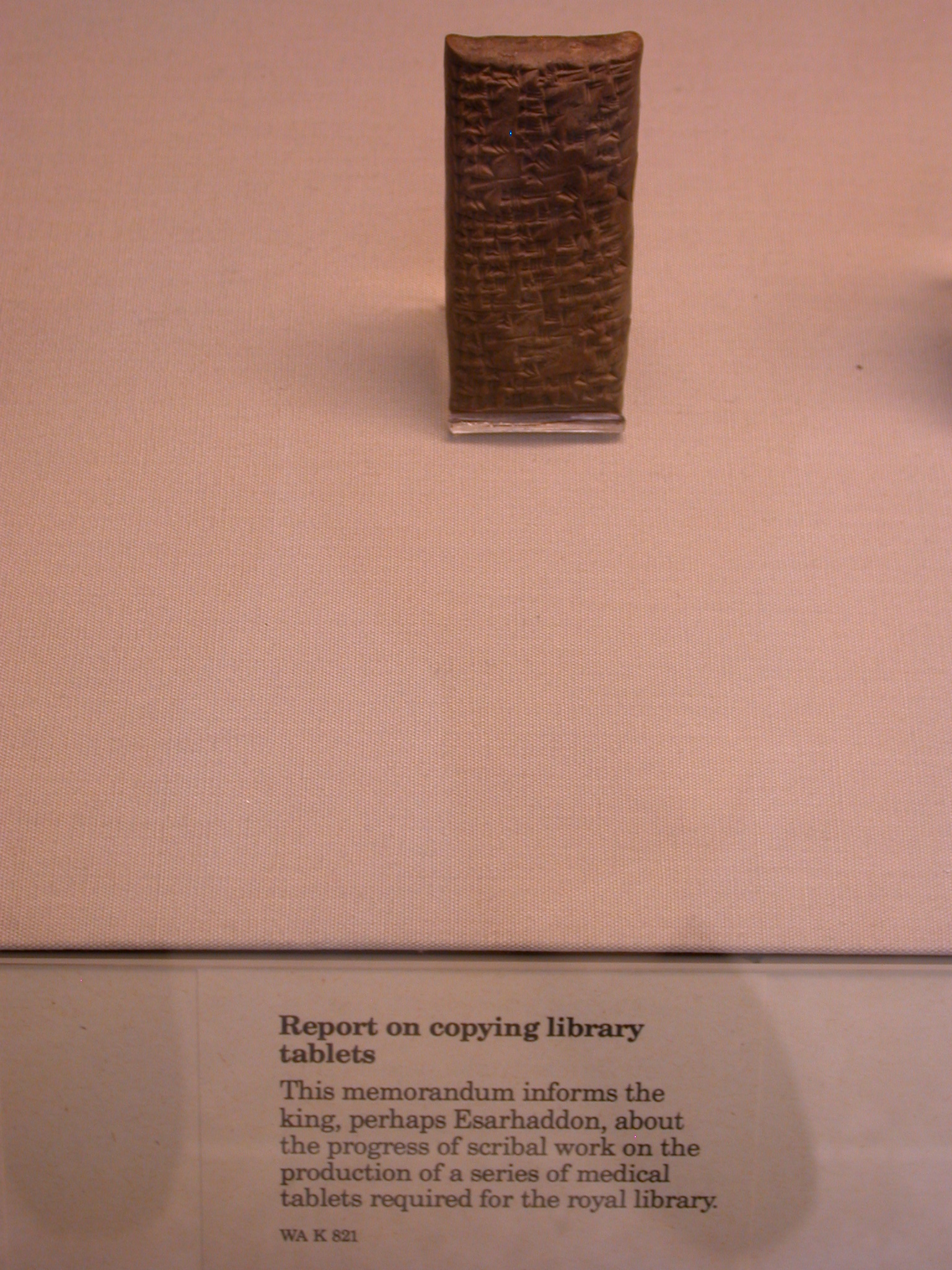
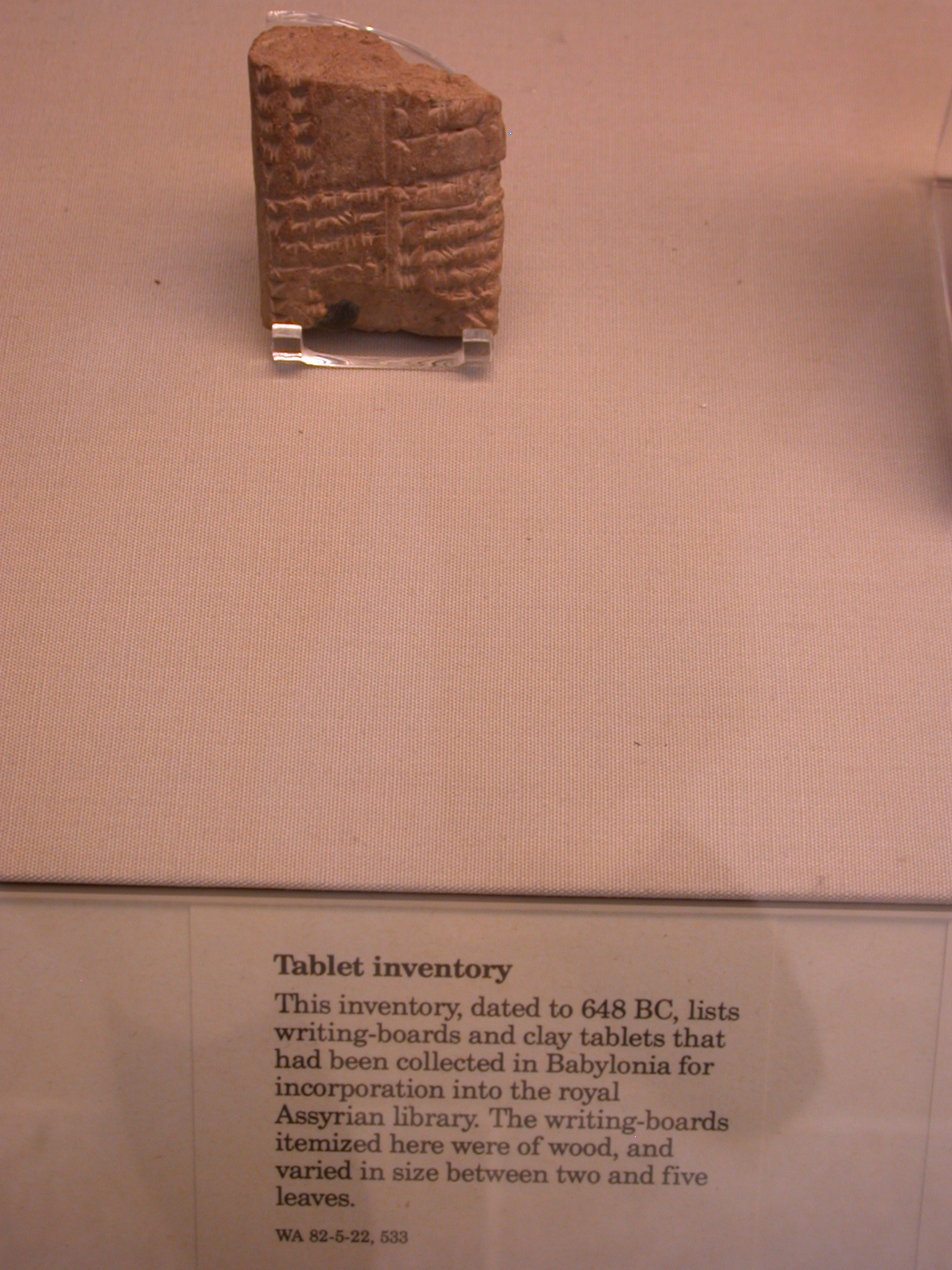
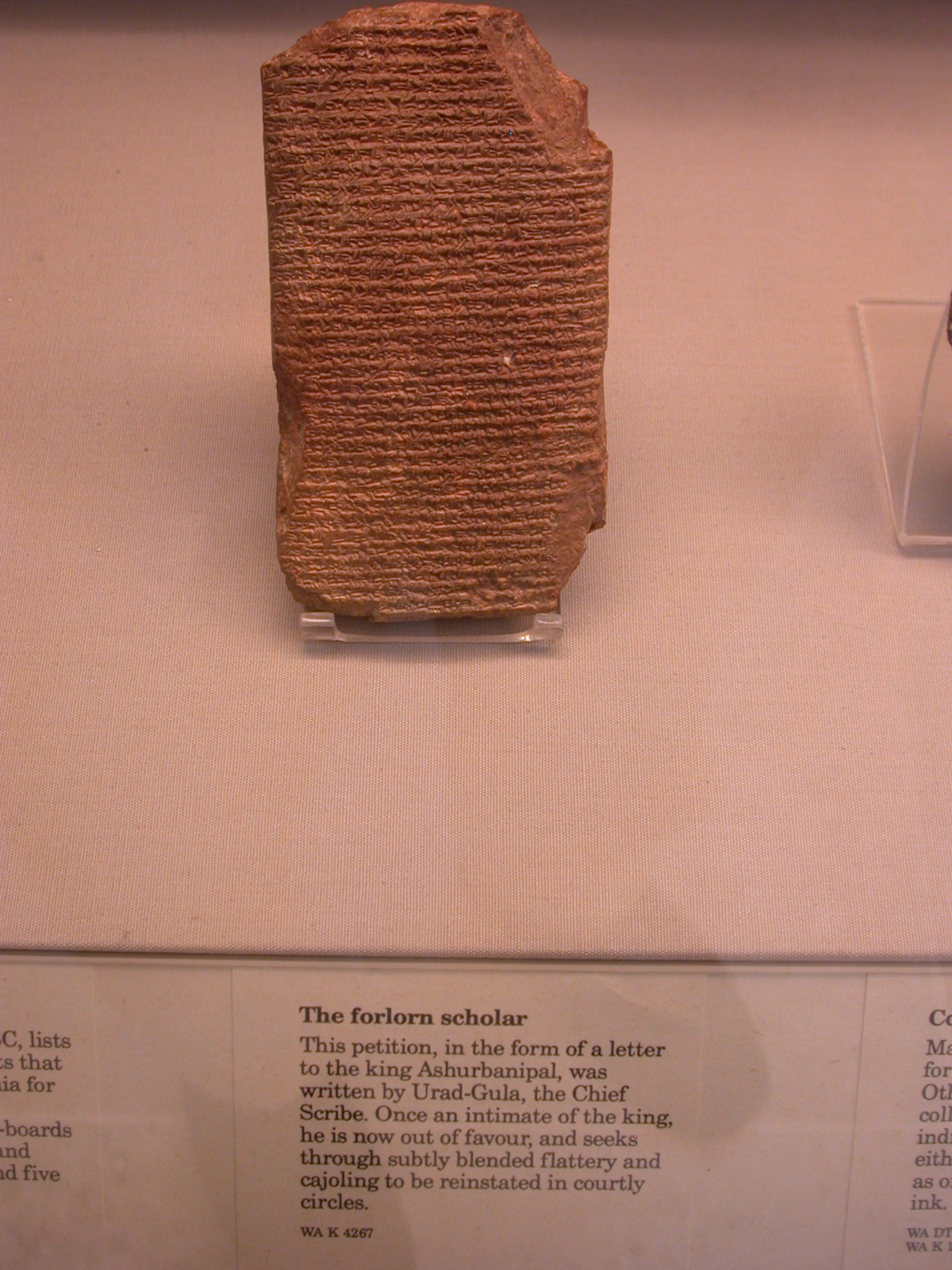
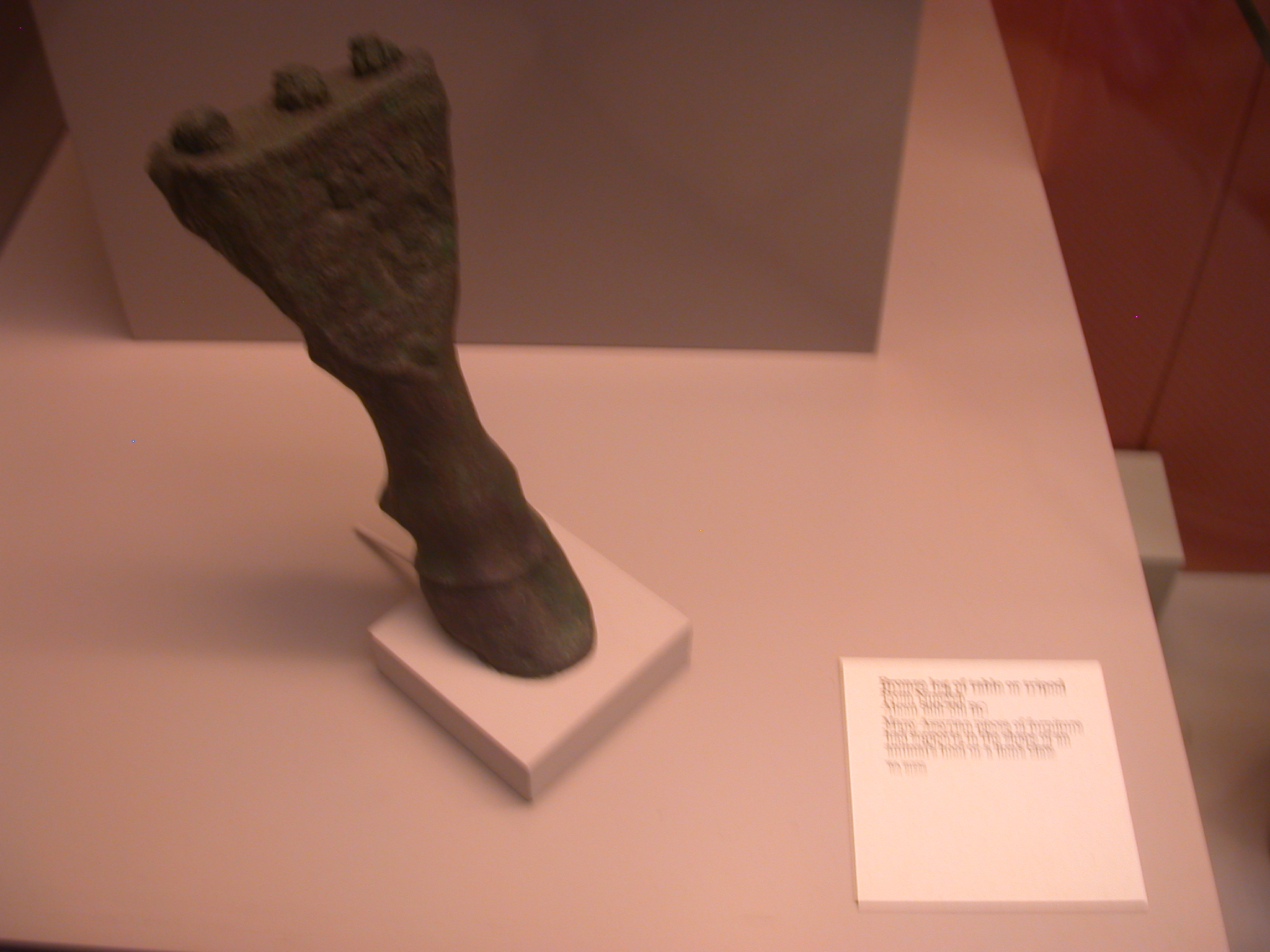
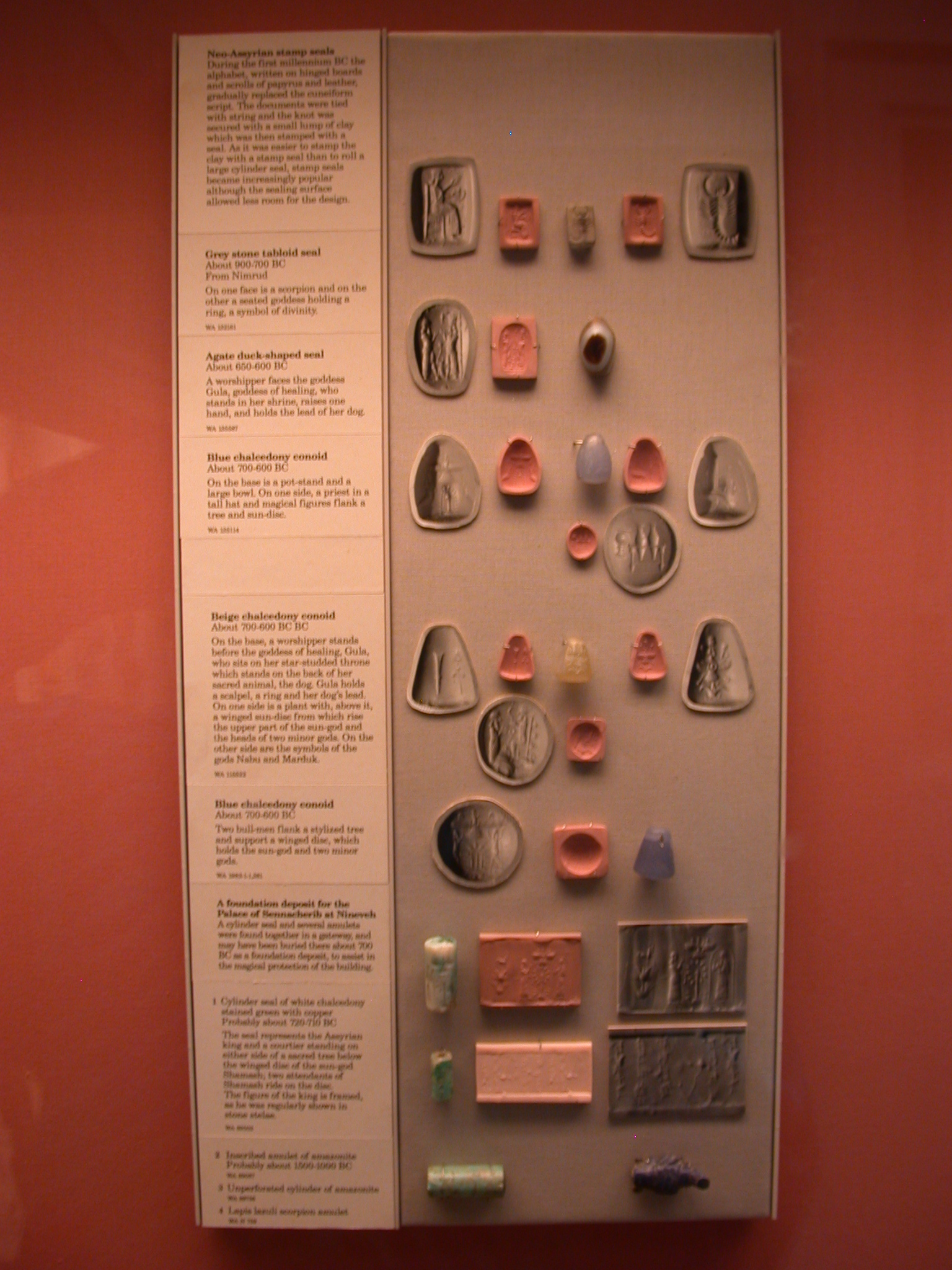
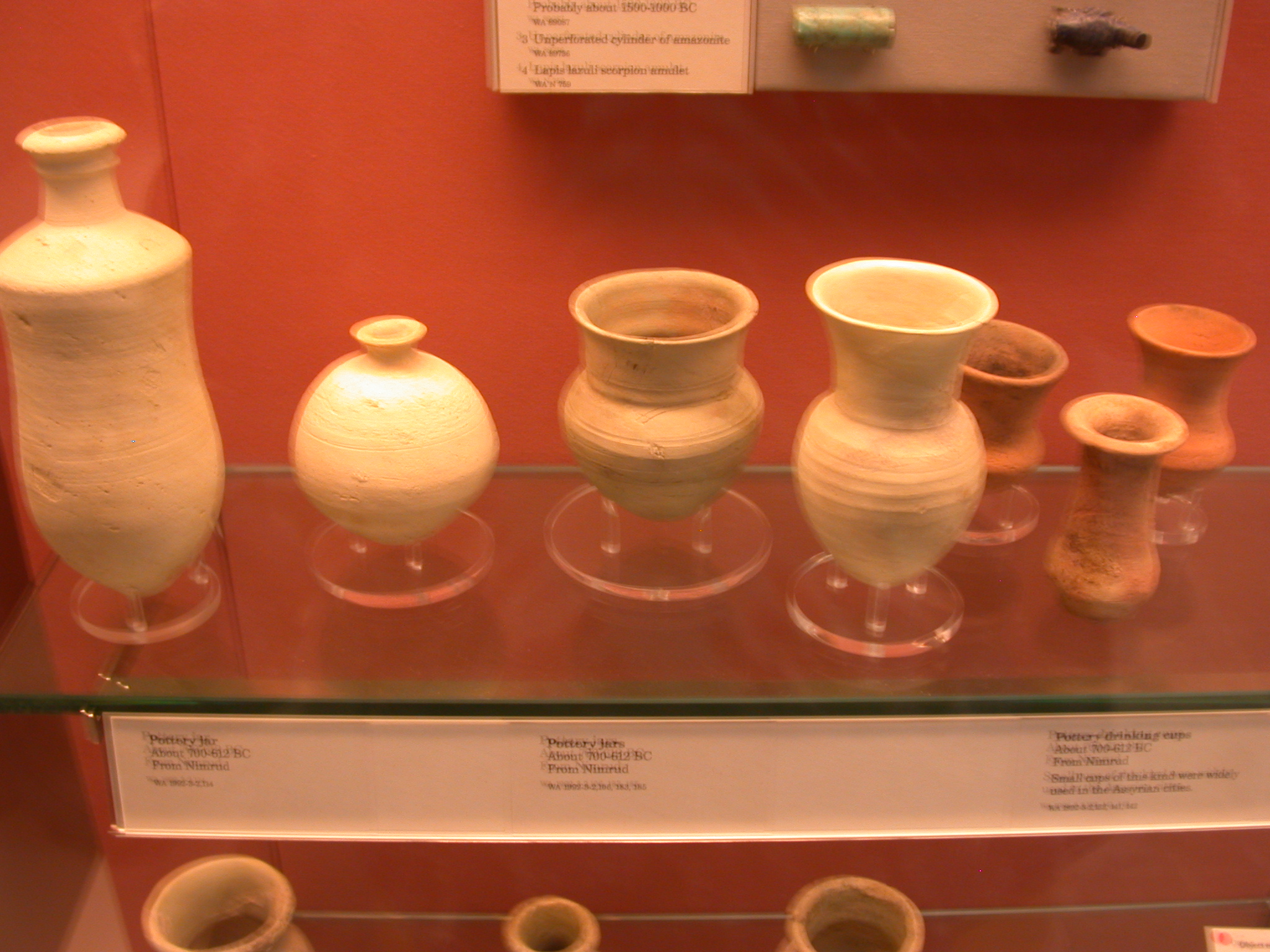
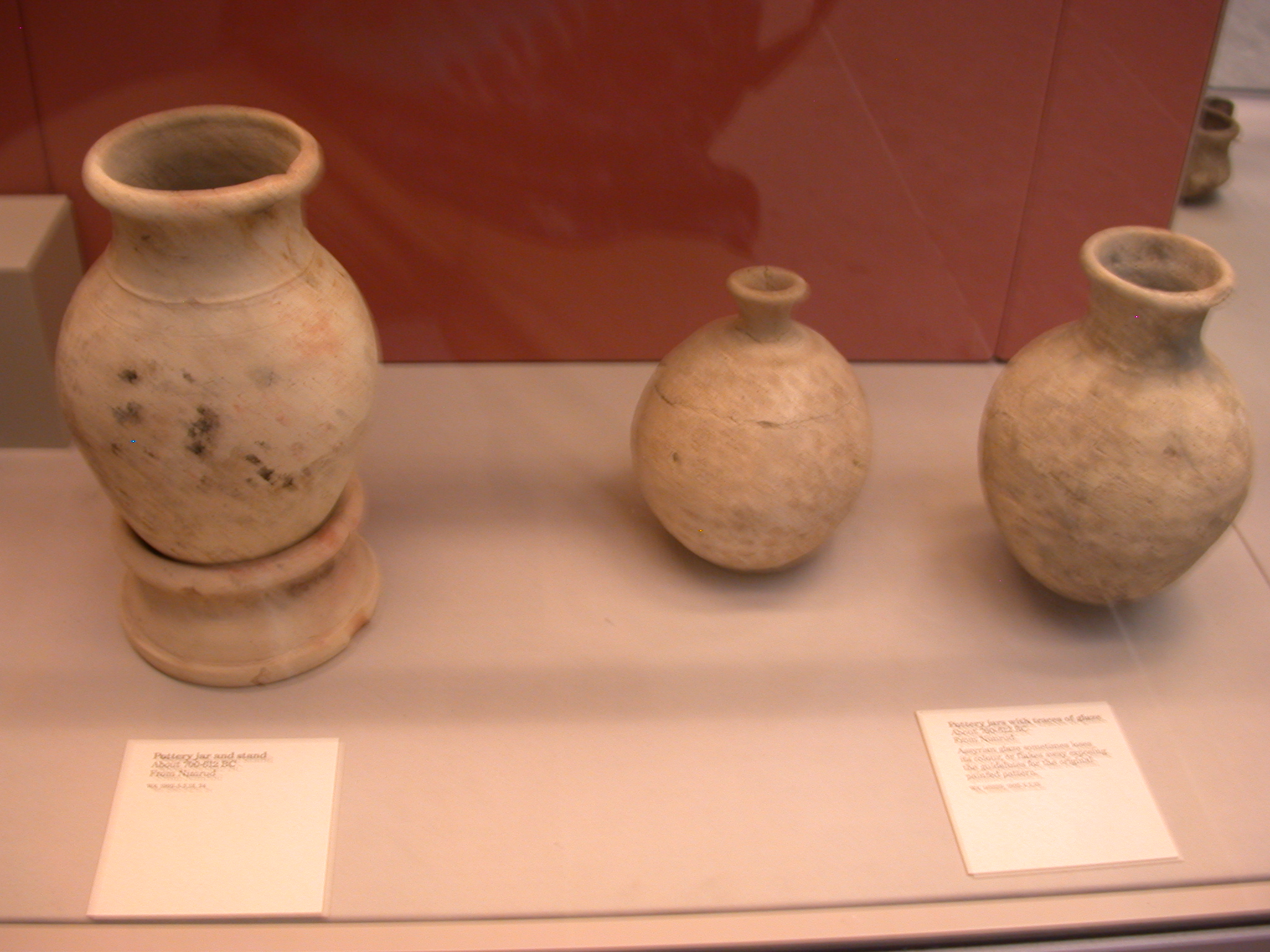
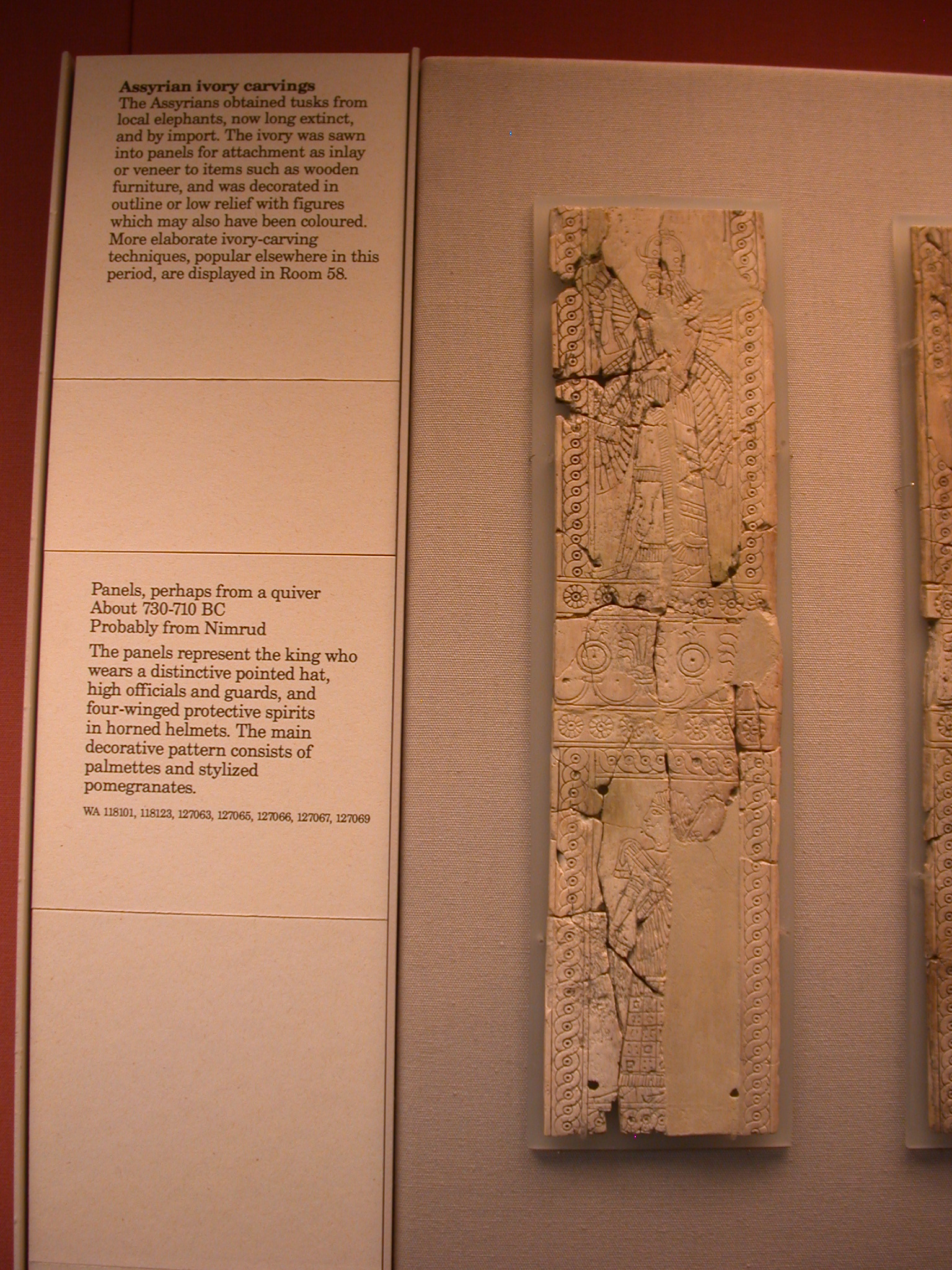
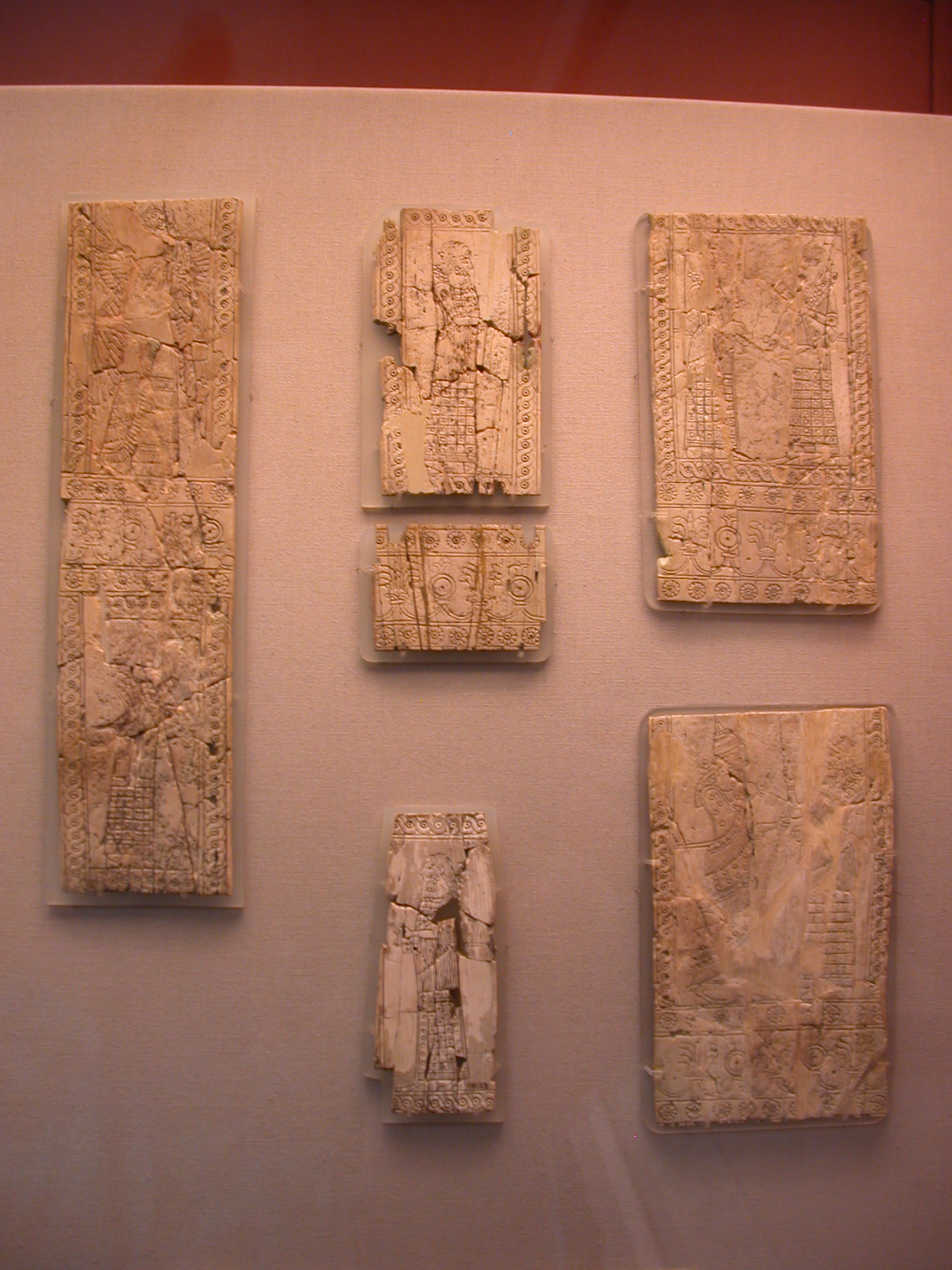
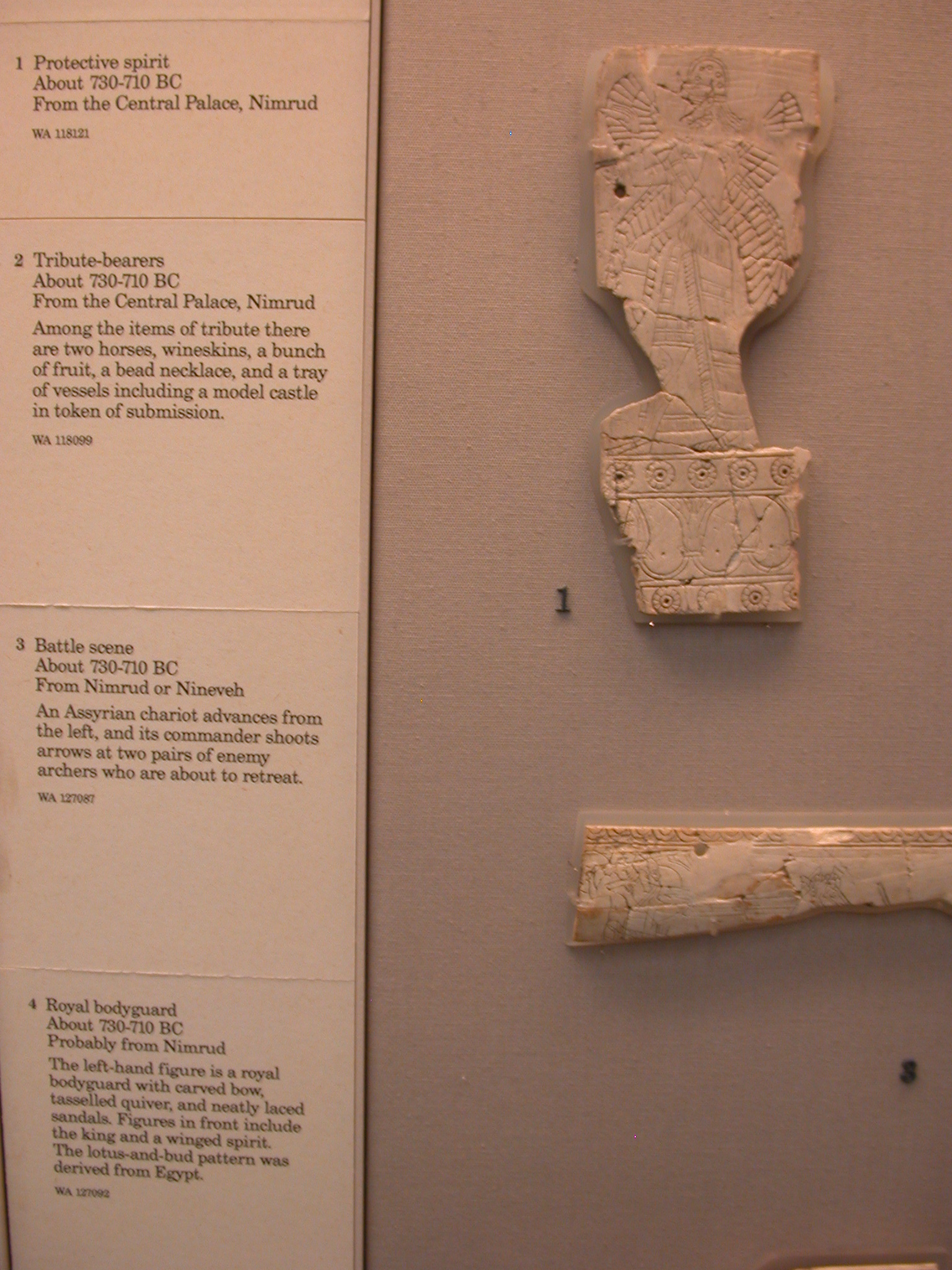
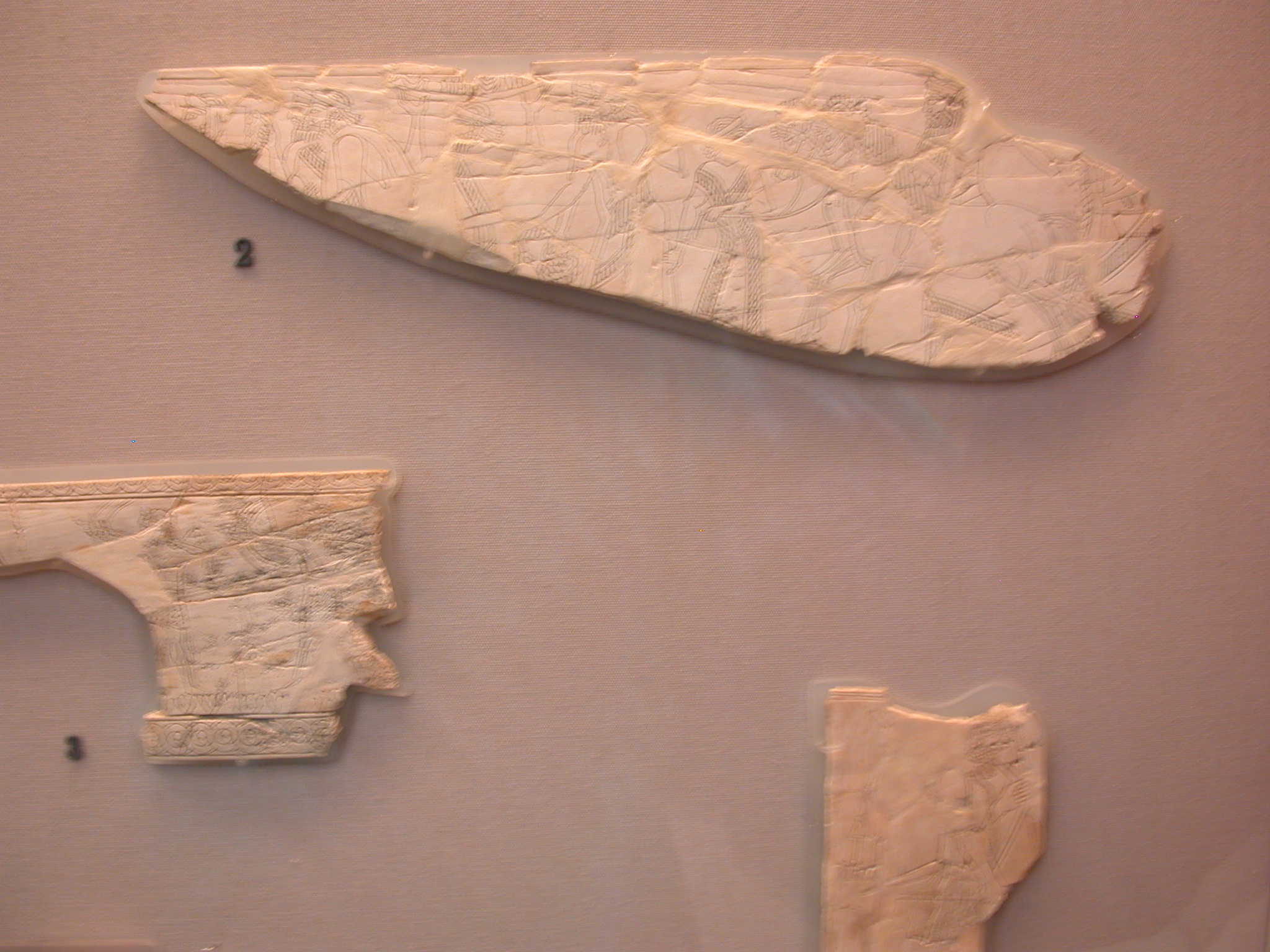
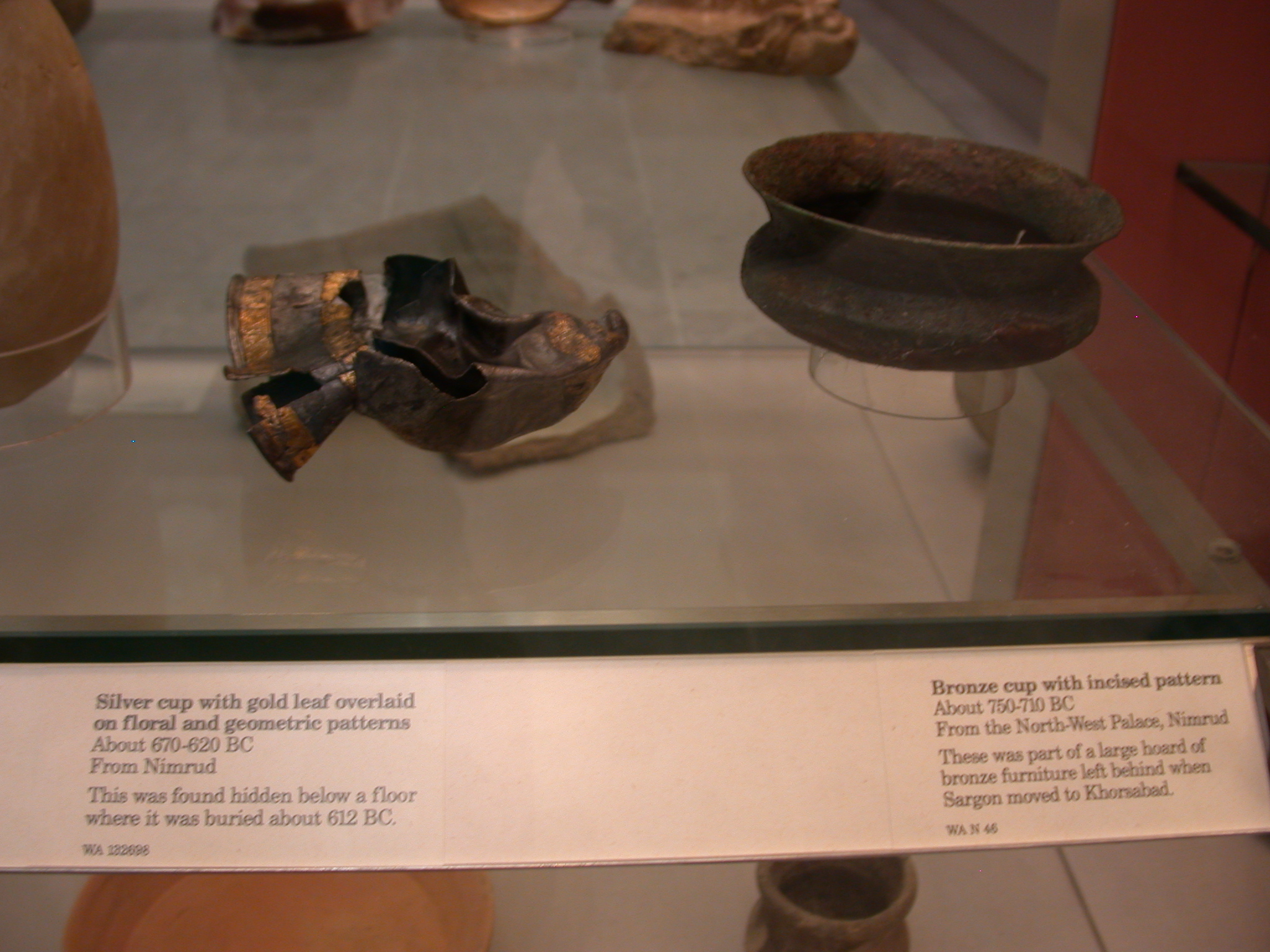
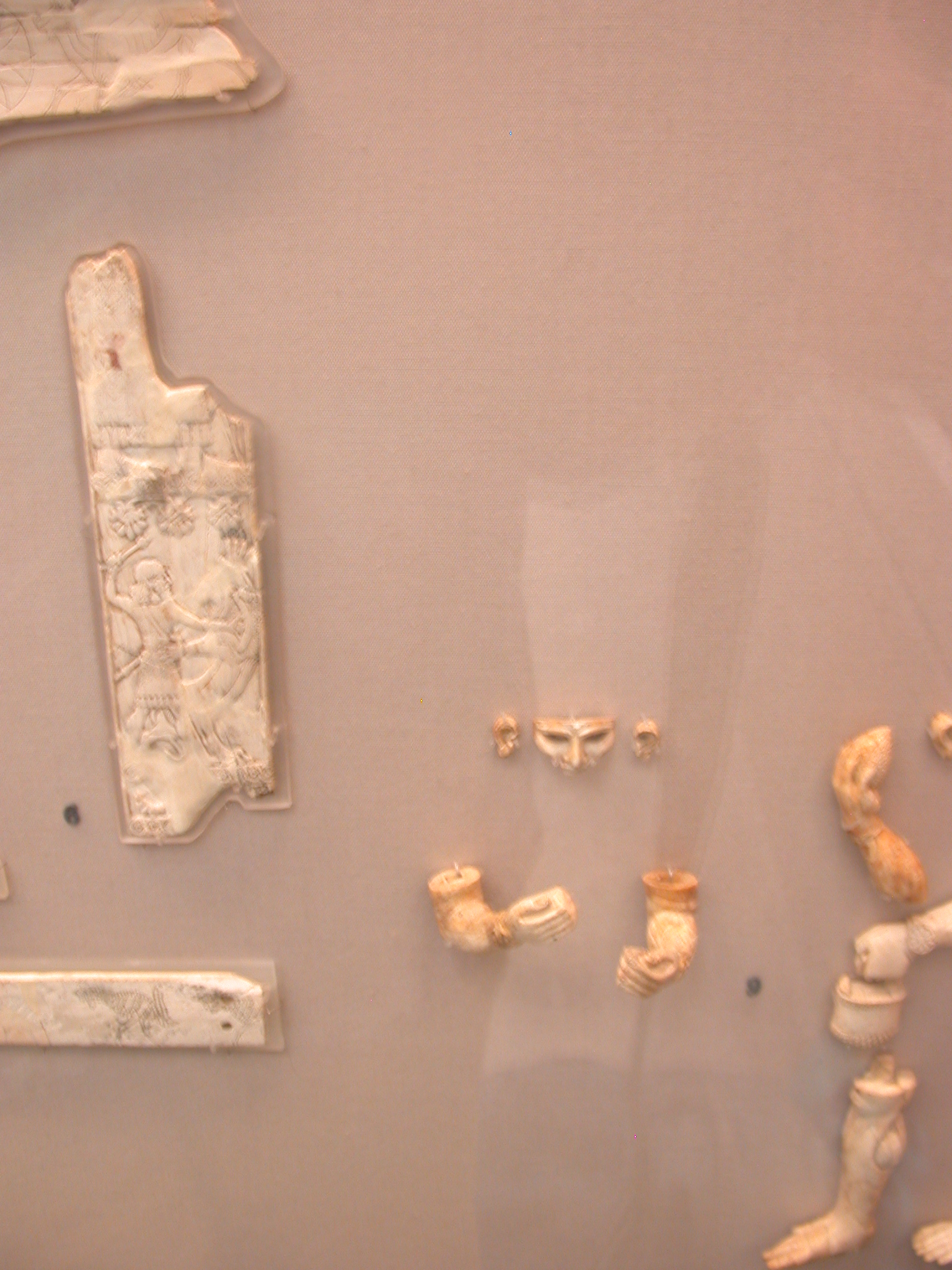
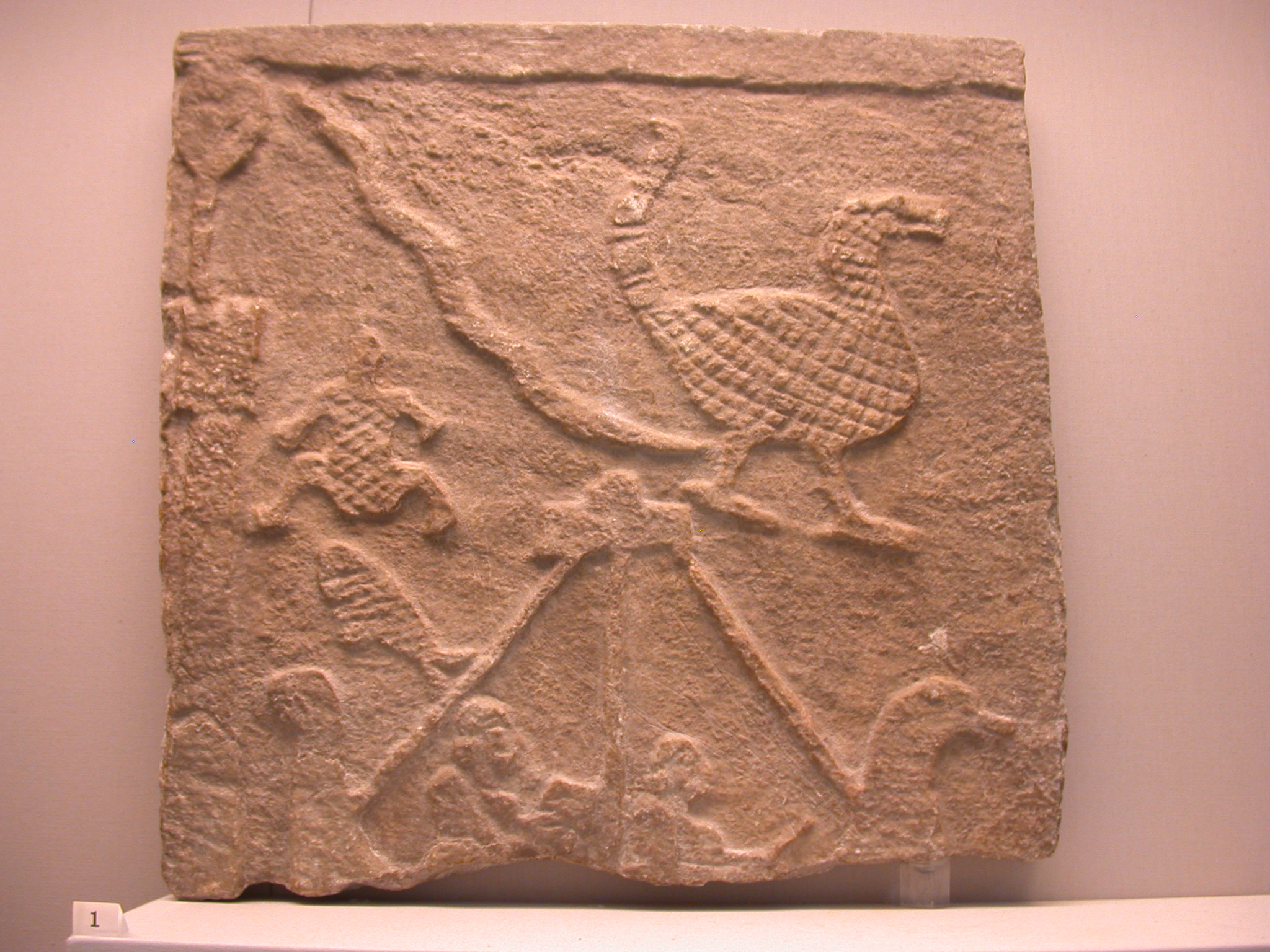
I walked over to the British Museum and spent four hours inspecting and snapping photos of artifacts. I started with the Assyrian collection.
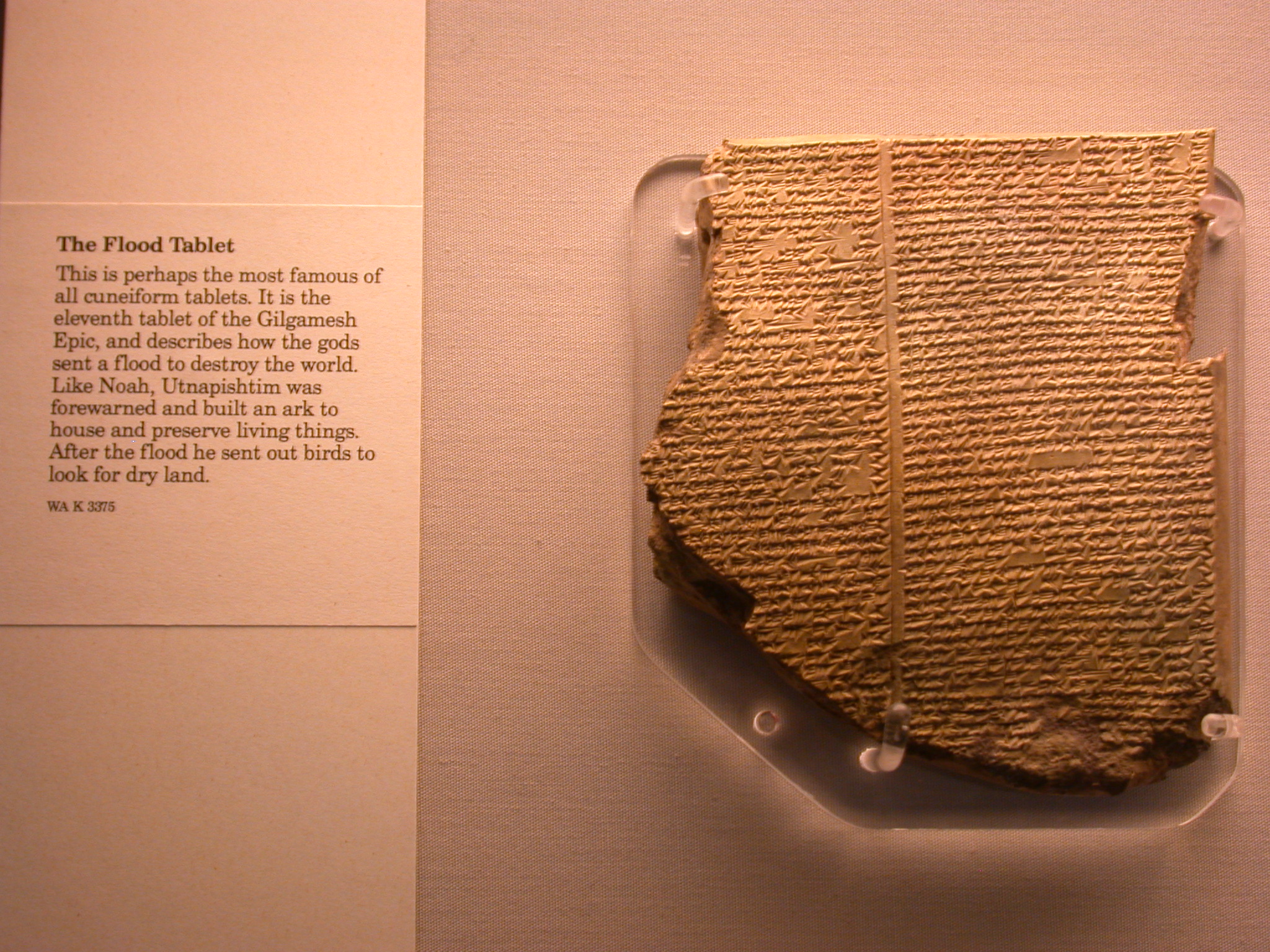
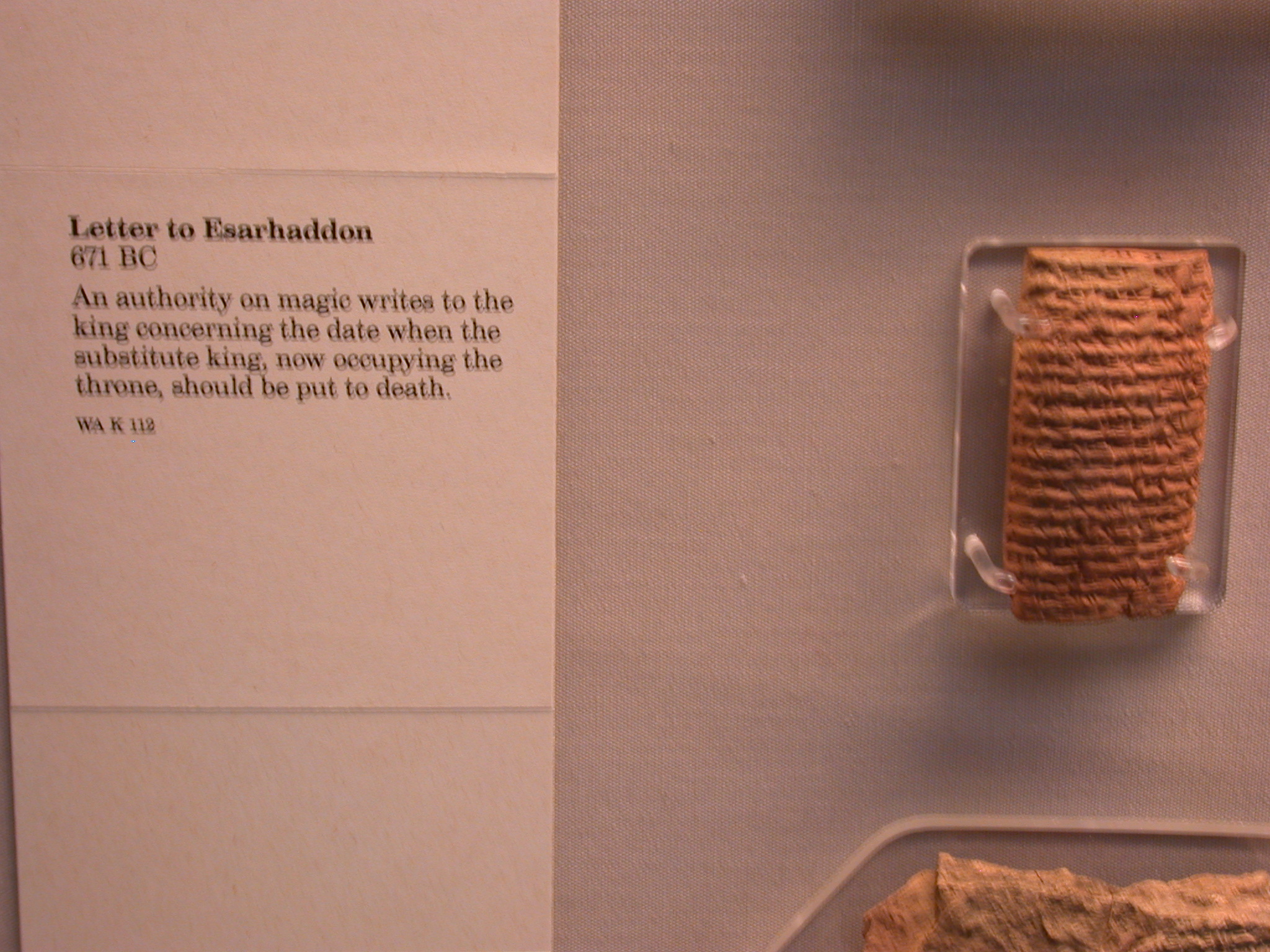
Flood Tablet, 11th Tablet of Gilgamesh Epic, Utnapishtim and the Ark, Cuneiform, Assyrian, in British Museum, London, England Letter to Esarhaddon From Magician About Death Date for Substitute King, 671 BCE, Assyria, in British Museum, London, England Rituals for the Substitute King, Cuneiform Tablet, About 650 BCE, Asssyria, in British Museum, London, England

Report on Copying Library Tablets for Medical Library, Cuneiform Tablet, Assyria, in British Museum, London, England List of Babylonian Writing Boards and Clay Tablets for Royal Library, 648 BCE, Assyria, in British Museum, London, England Petition From Chief Scribe Urad-Gula to Ashurbanipal, Cuneiform Tablet, Assyria, in British Museum, London, England

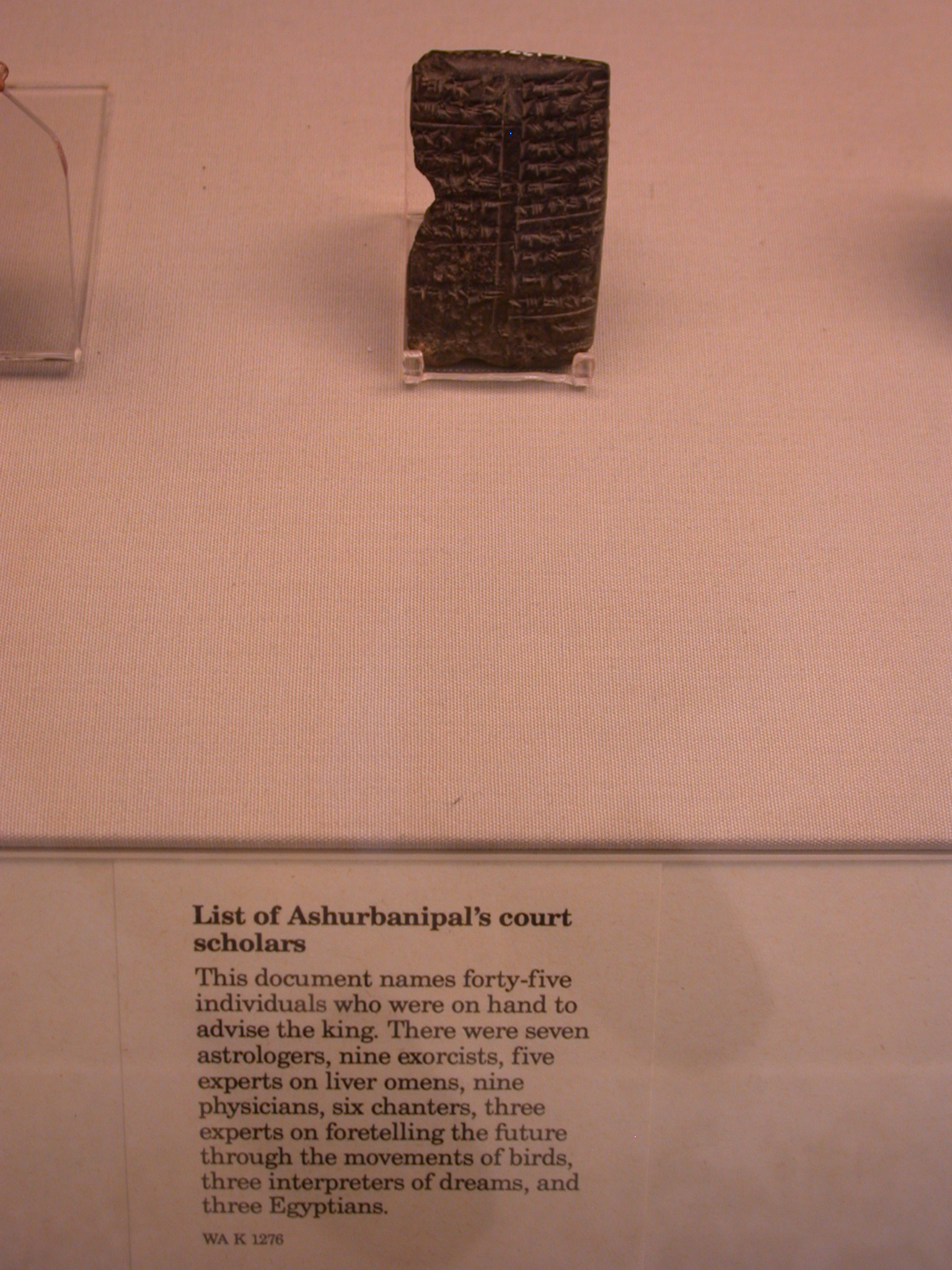
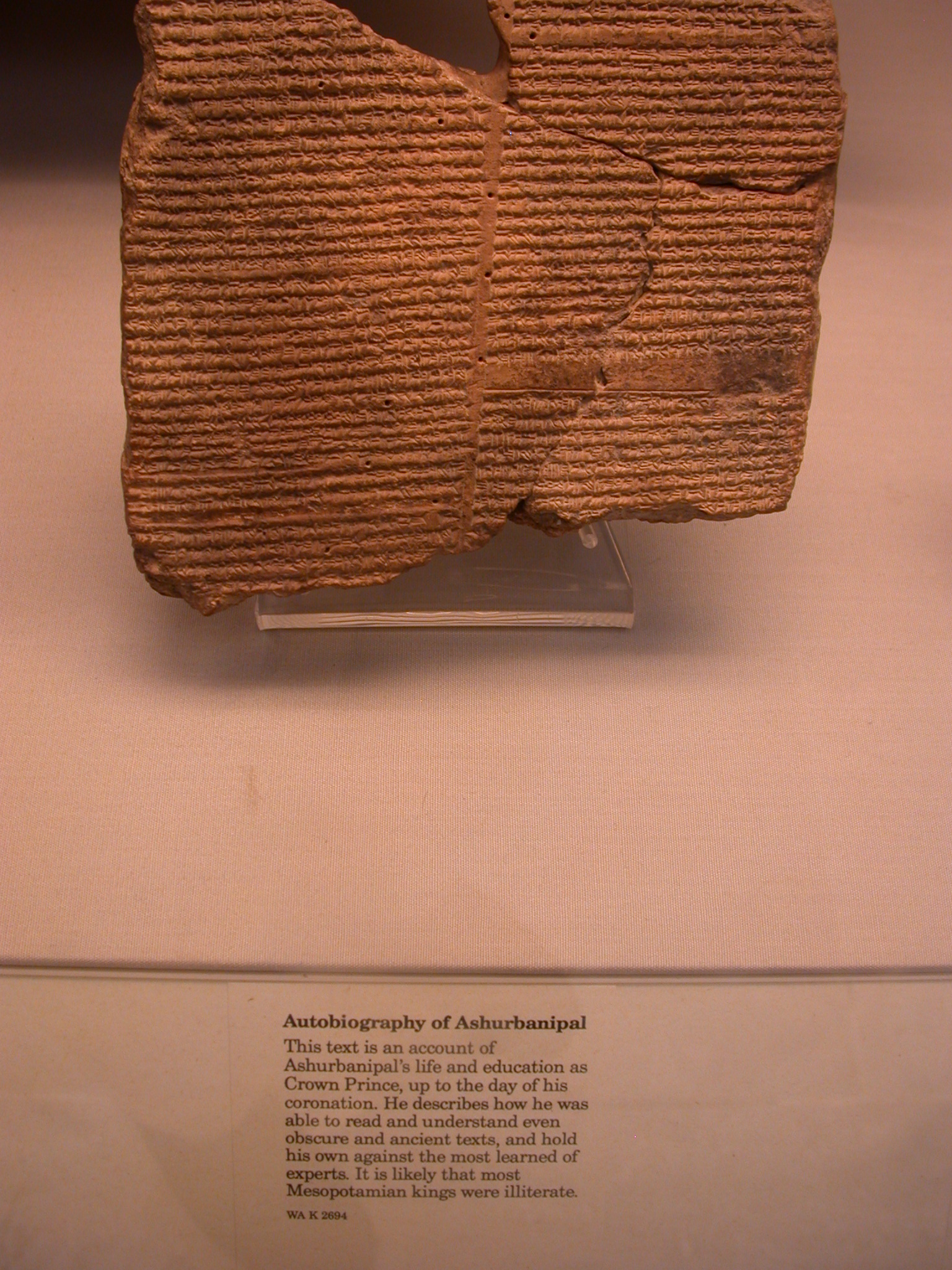
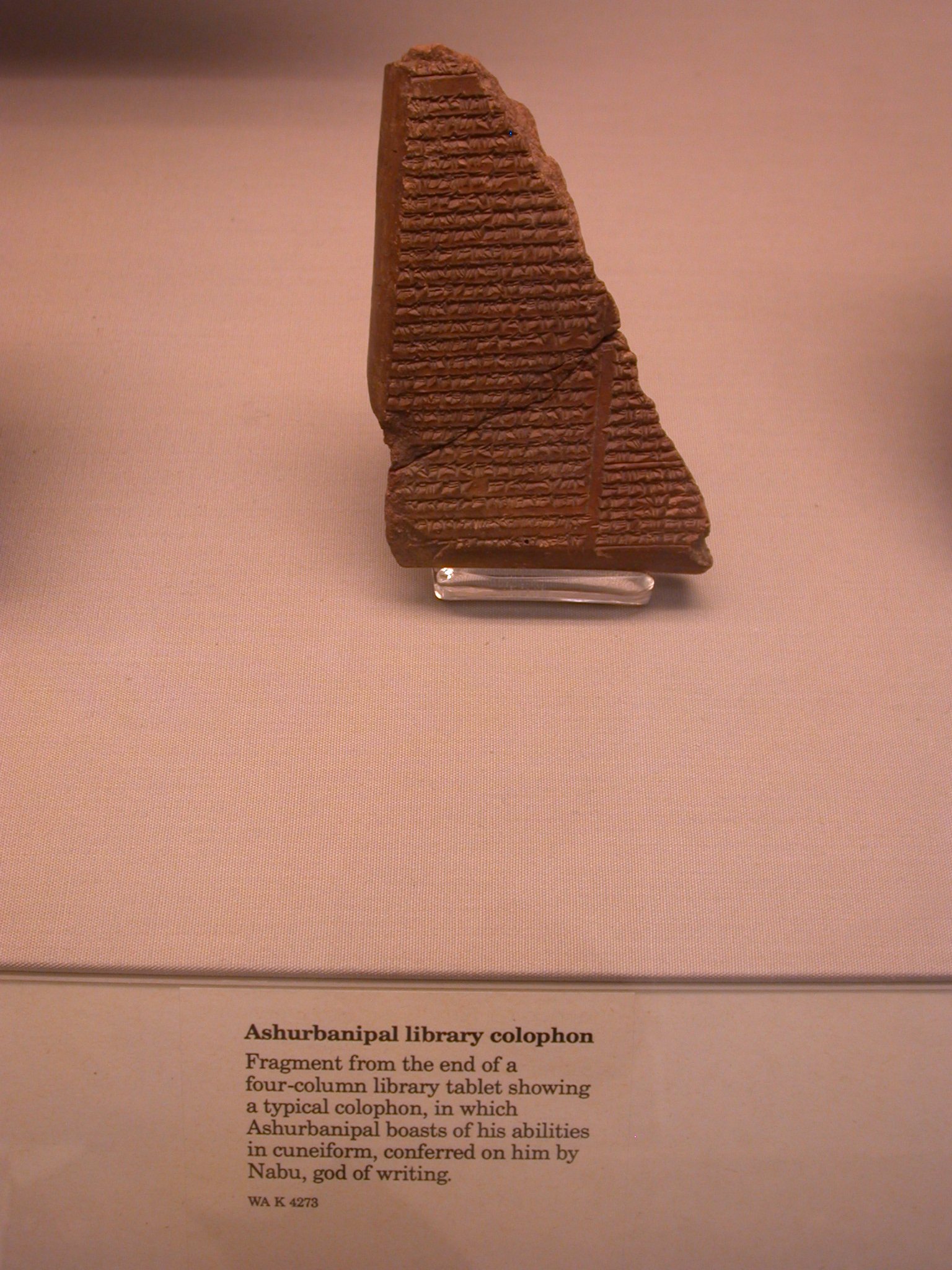
List of Court Scholars of Ashurbanipal Including Three Egyptians, Cuneiform Tablet, Assyria, in British Museum, London, England Autobiography of Ashurbanipal, Cuneiform Tablet, Assyria, in British Museum, London, England Ashurbanipal Library Colophon Boasting of Writing Powers From Nabu, God of Writing, Cuneiform Tablet, Assyria, in British Museum, London, England

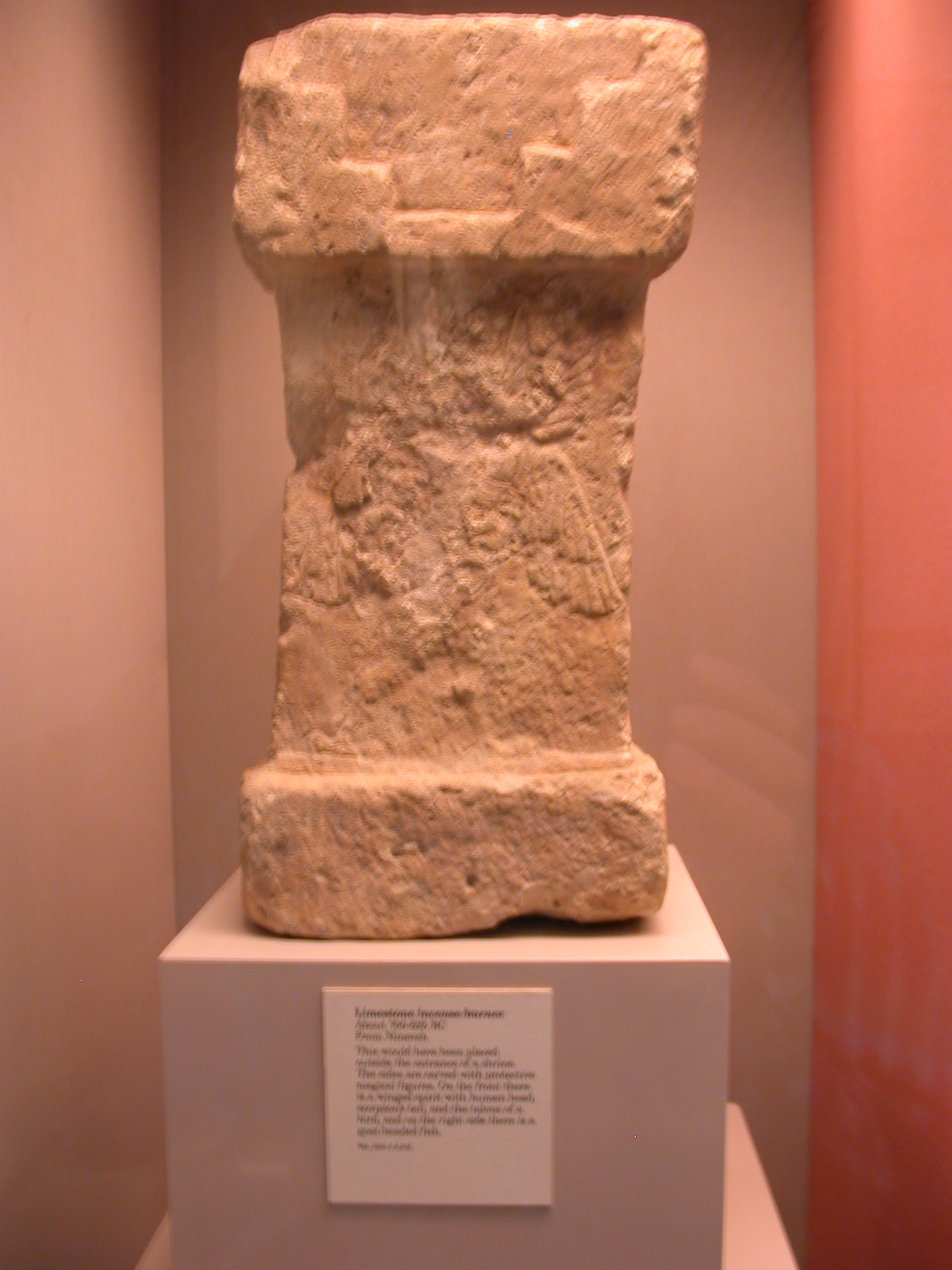
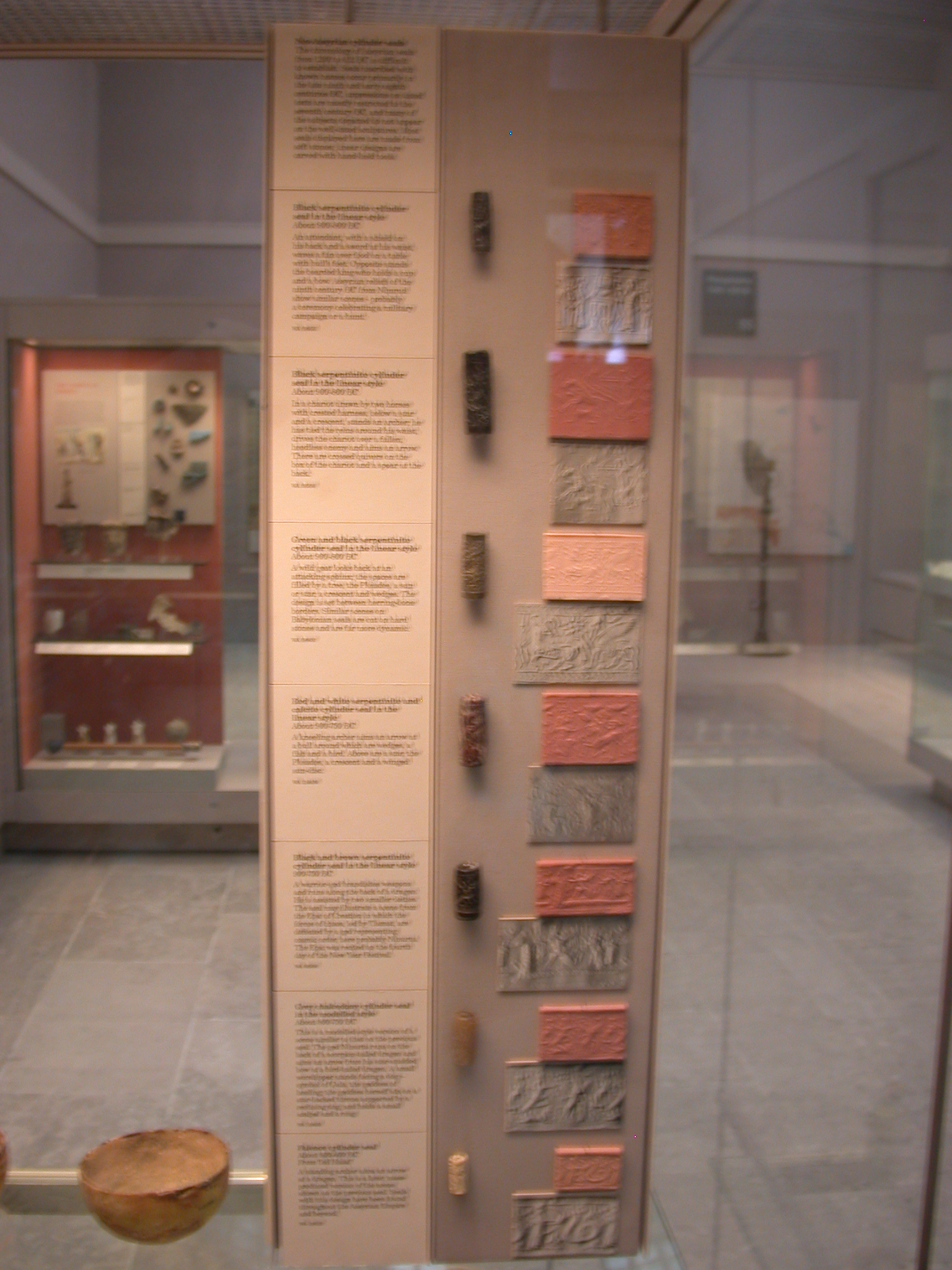
Limestone Incense Burner, About 760-625 BCE, Nineveh, Assyria, in British Museum, London, England Leg of Table on Tripod, Bronze, 800-700 BCE, Nineveh, Assyria, in British Museum, London, England Neo-Assyrian Stamp Seals, Mostly 900-600 BCE, in British Museum, London, England

Pottery Jars and Drinking Cups, About 700-612 BCE, Nimrud, Assyria, in British Museum, London, England Glazed Pottery Jars, Nimrud or Nineveh, Assyria, in British Museum, London, England Pottery Jars and Stand, About 700-612 BCE, Nimrud, Assyria, in British Museum, London, England

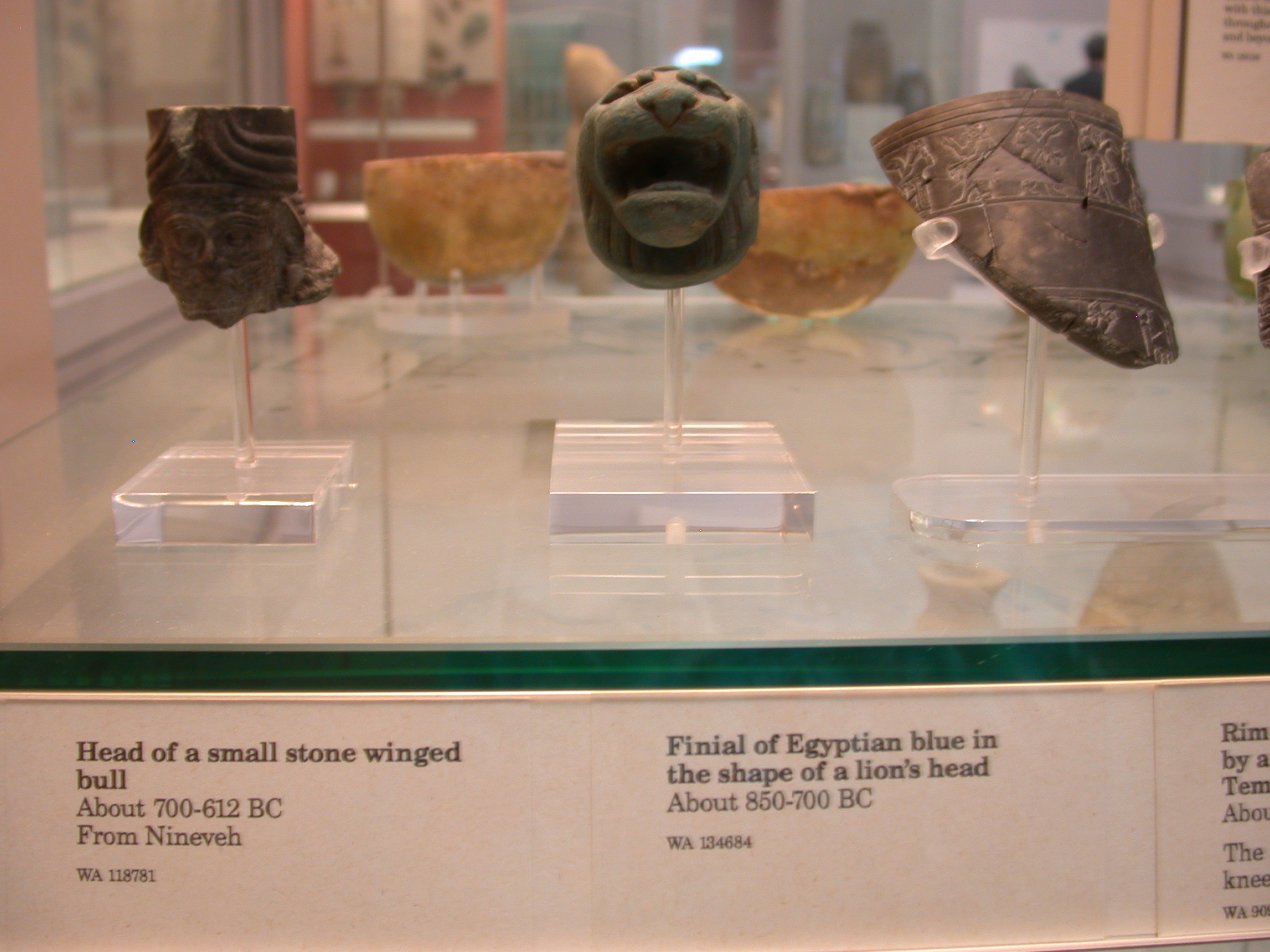
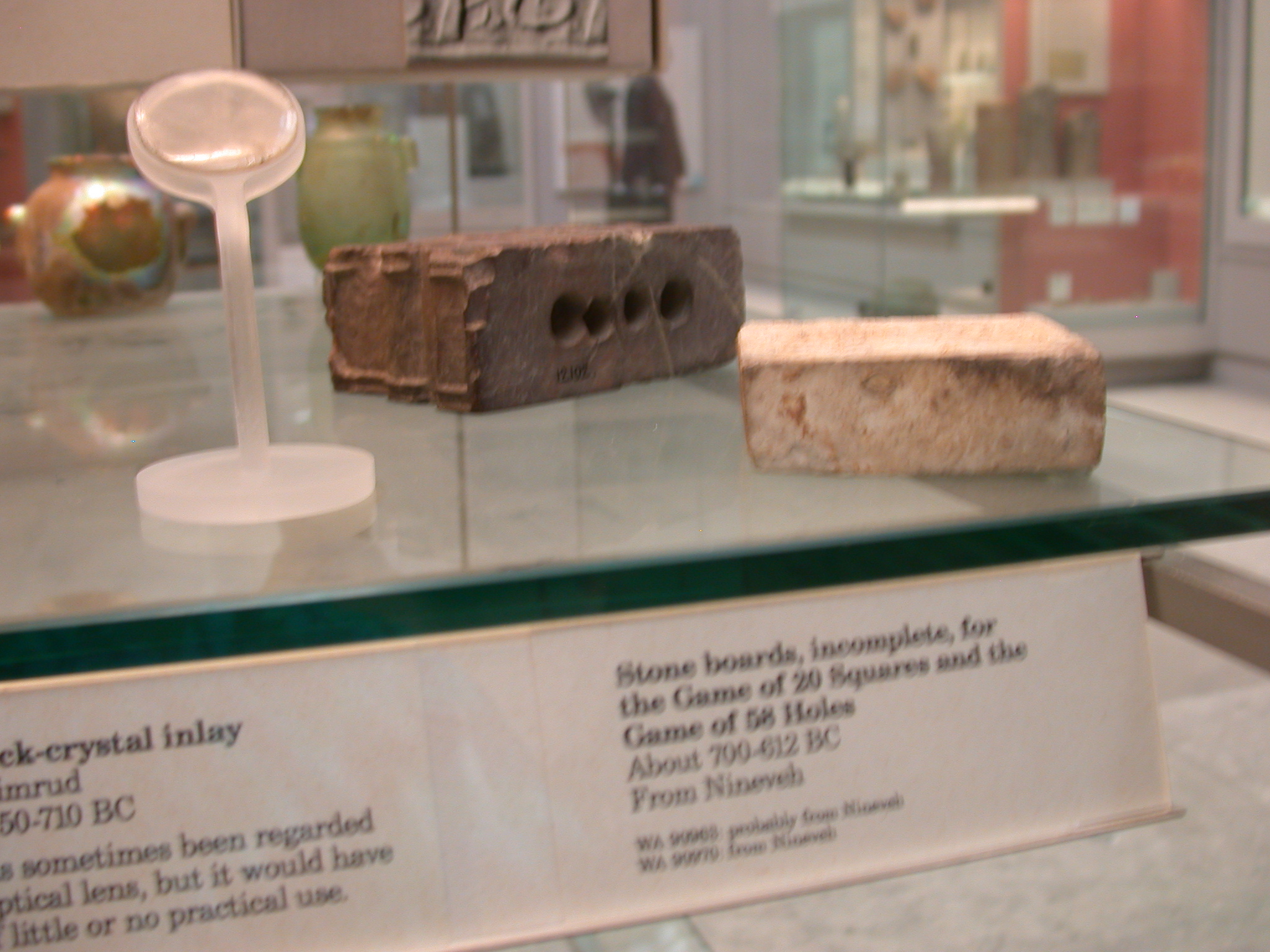
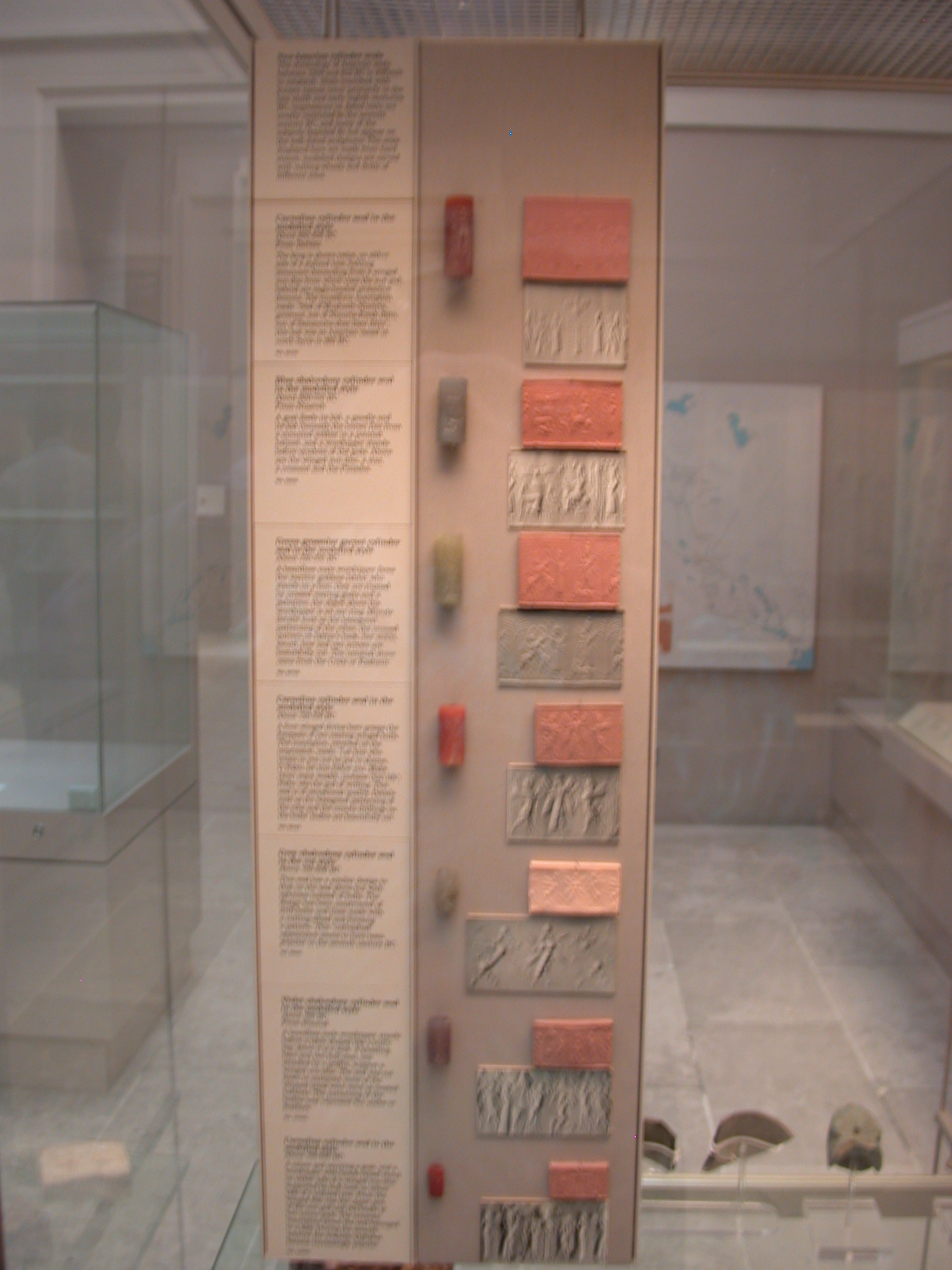
Neo-Assyrian Cylinder Seals, Mostly 900-750 BCE, in British Museum, London, England Head of Small Winged Bull, Stone, 700-612 BCE, Nineveh, Assyria, and Finial in Shape of Lion Head, Egyptian Blue, About 850-750 BCE, Assyria, in British Museum, London, England Rock Crystal Inlay, 750-710 BCE, Nimrud, Assyria, and Stone Boards, Incomplete, for Game of 20 Squares and Game of 58 Holes, 700-612 BCE, Nineveh, Assyria, in British Museum, London, England

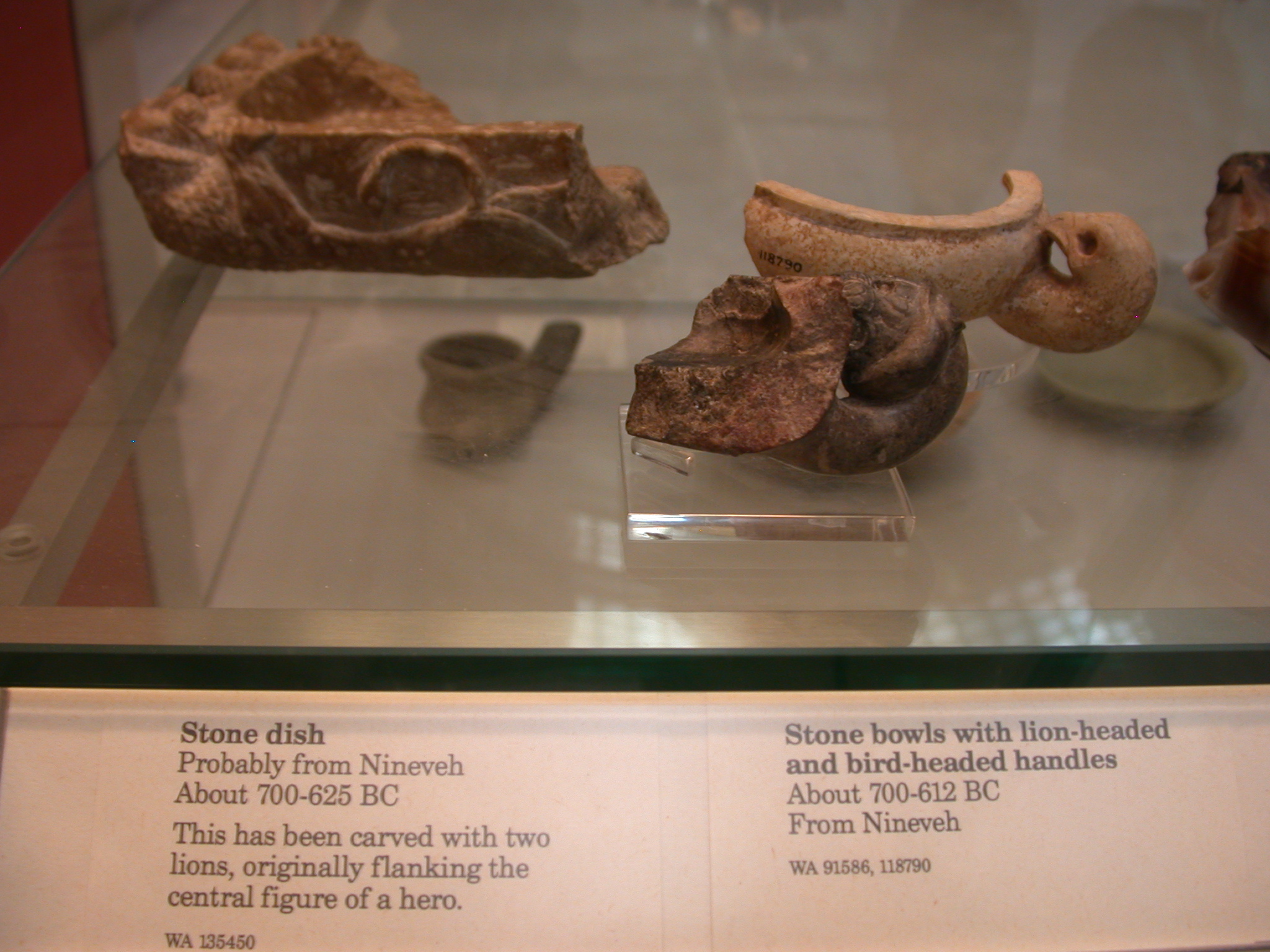
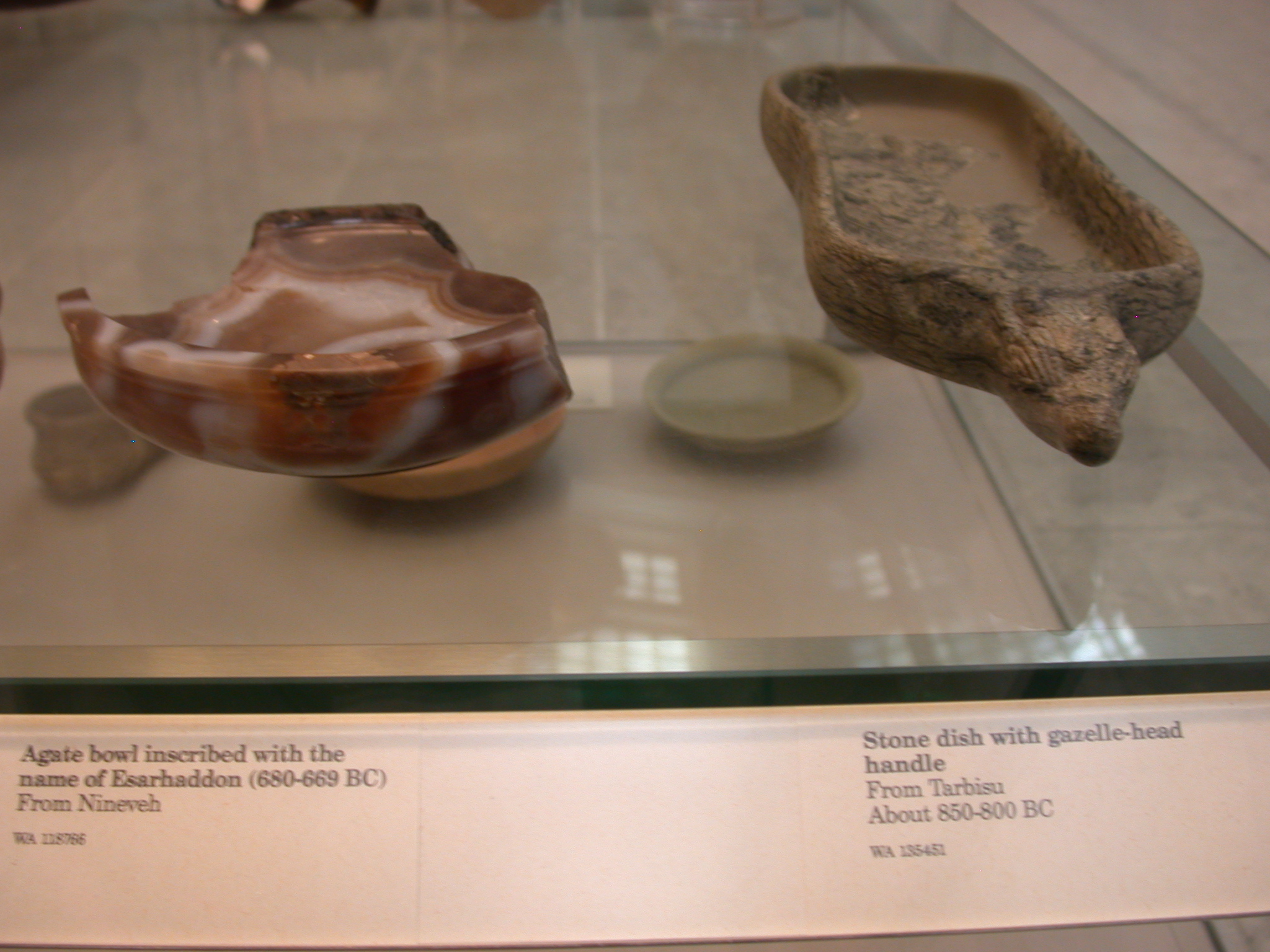
Stone Dish and Stone Bowls With Lion-Headed and Bird-Headed Handles, About 700-612 BCE, Nineveh, Assyria, in British Museum, London, England Bowl Inscribed With Name of Esarhaddon, Agate, 680-669 BCE, Nineveh, Assyria, and Dish With Gazelle-Head Handle, Stone, About 850-800 BCE, Tarbisu, Assyria, in British Museum, London, England Neo-Assyrian Cylinder Seals, in British Museum, London, England

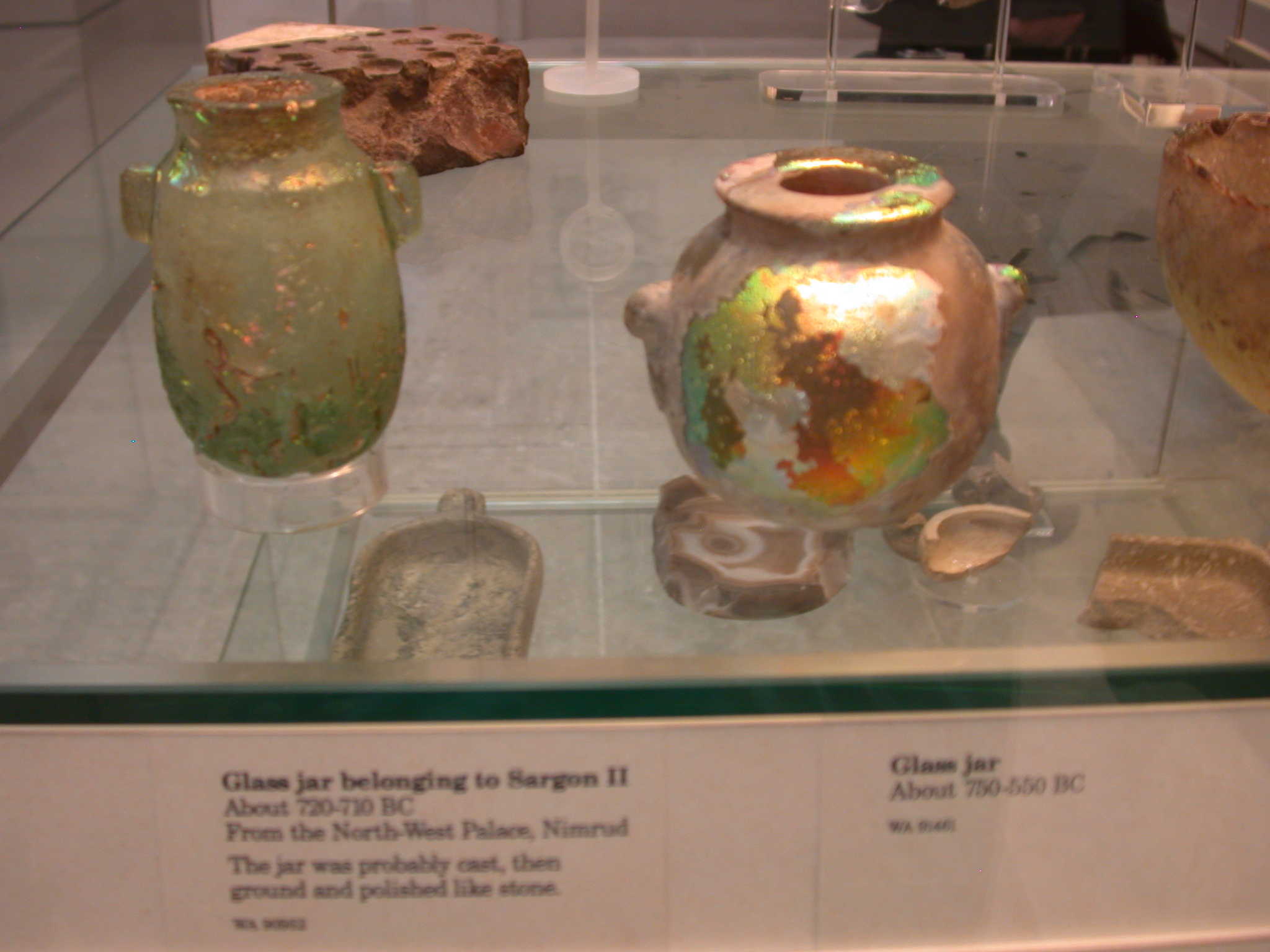
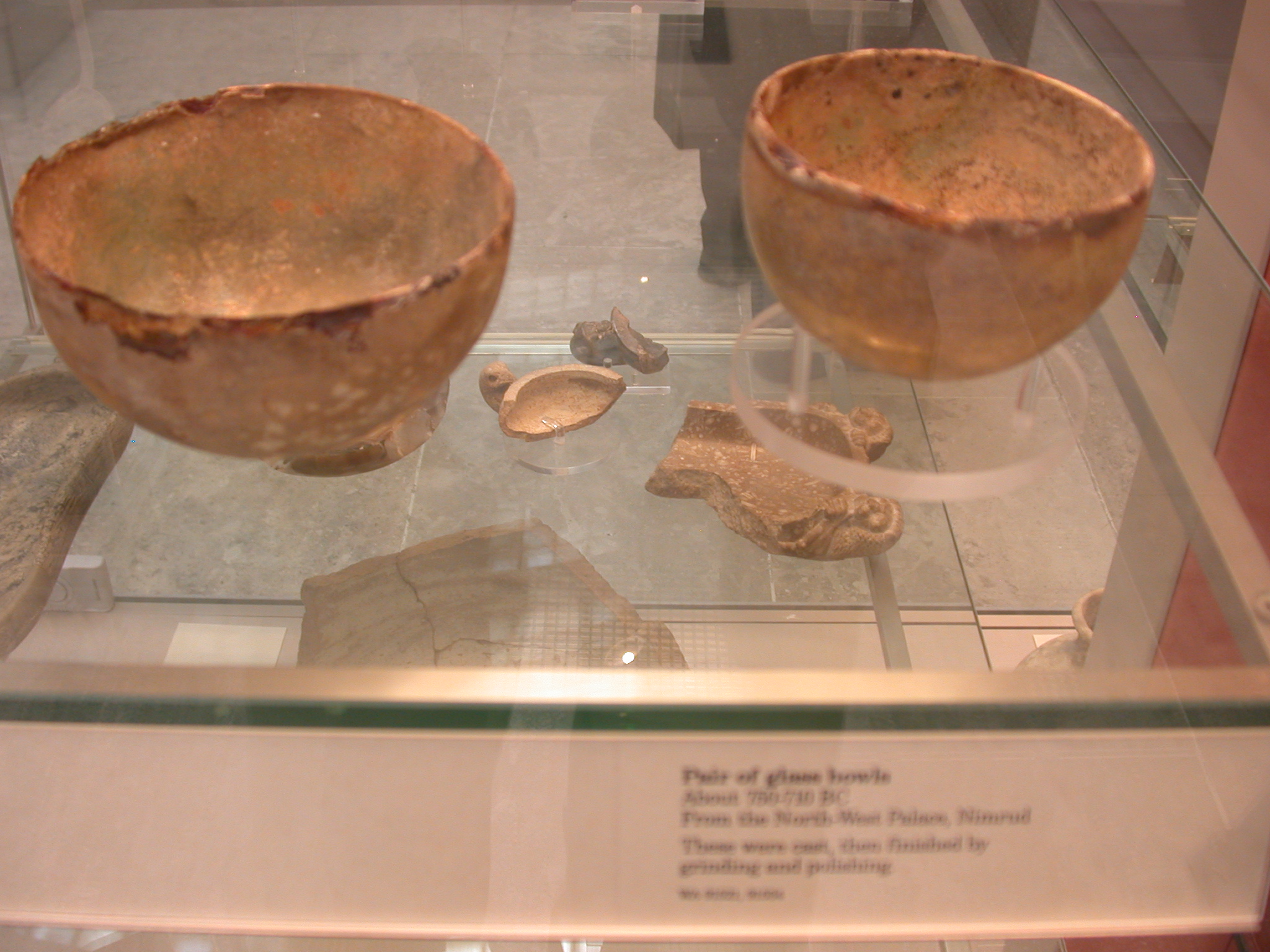
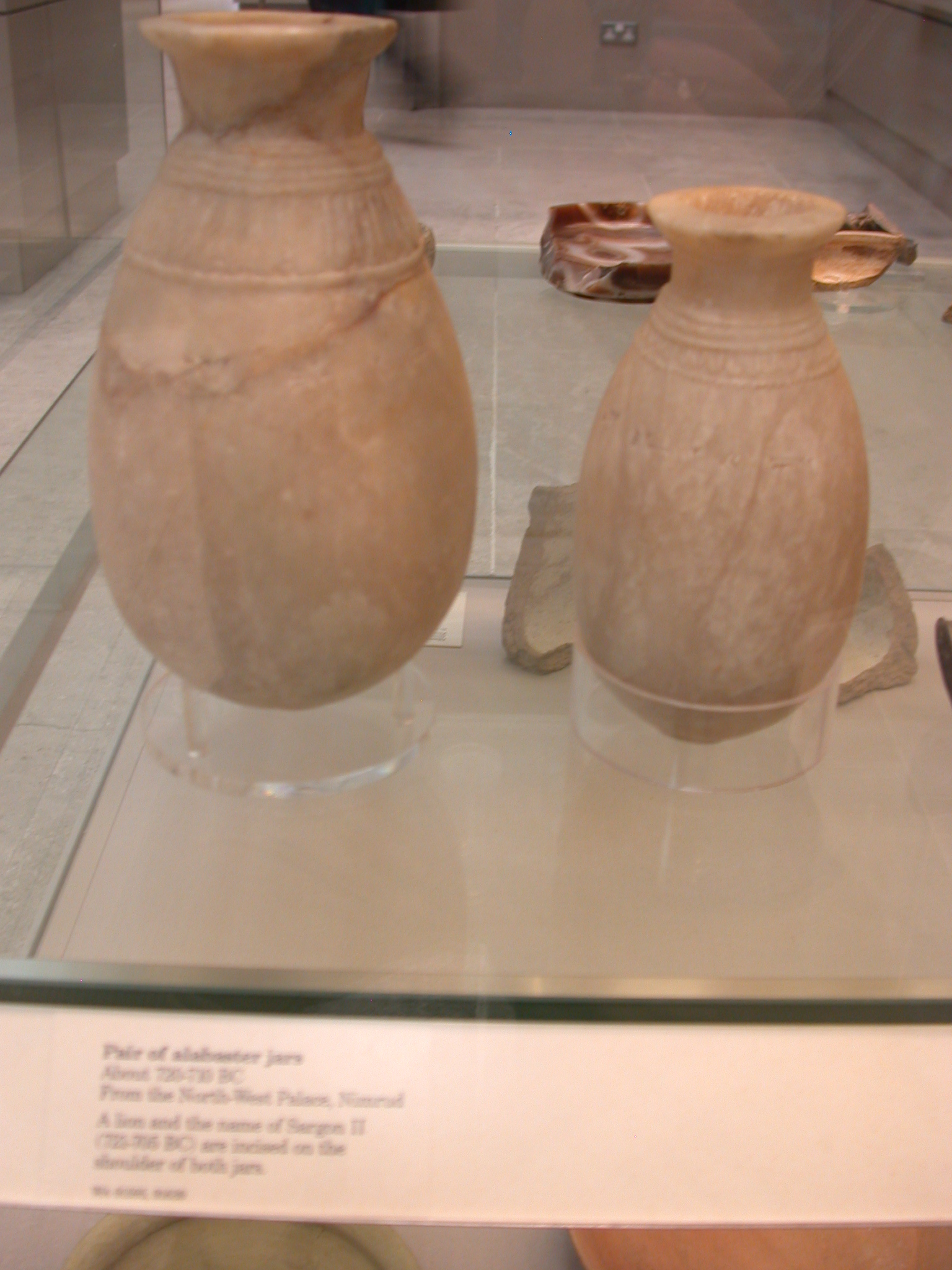
Glass Jar Belonging to Sargon II, About 720-710 BCE, Northwest Palace, Nimrud, Assyria, and Glass Jar, About 750-550 BCE, Assyria, in British Museum, London, England Pair of Glass Bowls, About 790-710 BCE, Northwest Palace, Nimrud, Assyria, in British Museum, London, England Pair of Alabaster Jars Incised With Lion and Name of Sargon II, About 720-710 BCE, Northwest Palace, Nimrud, Assyria, in British Museum, London, England

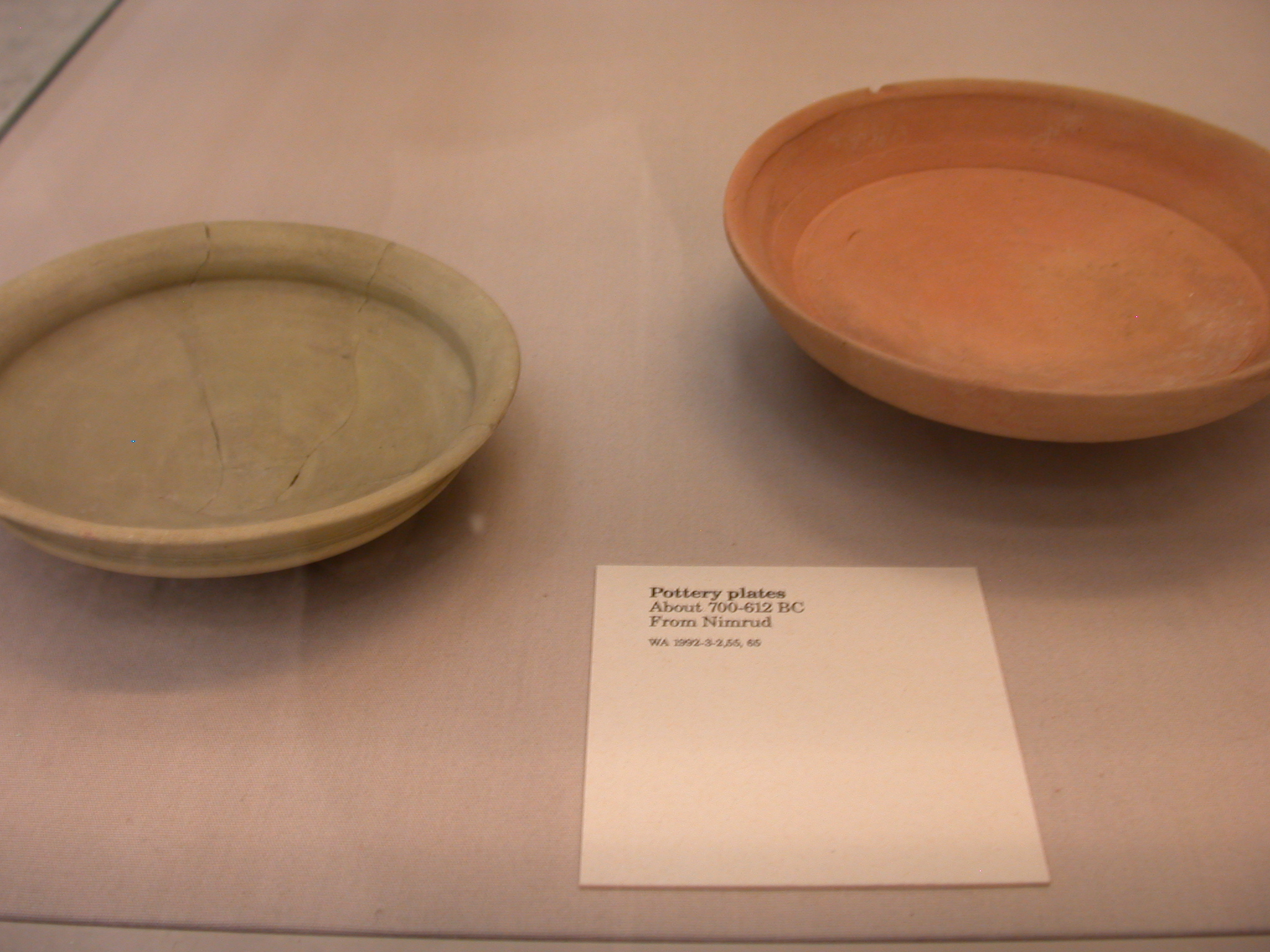
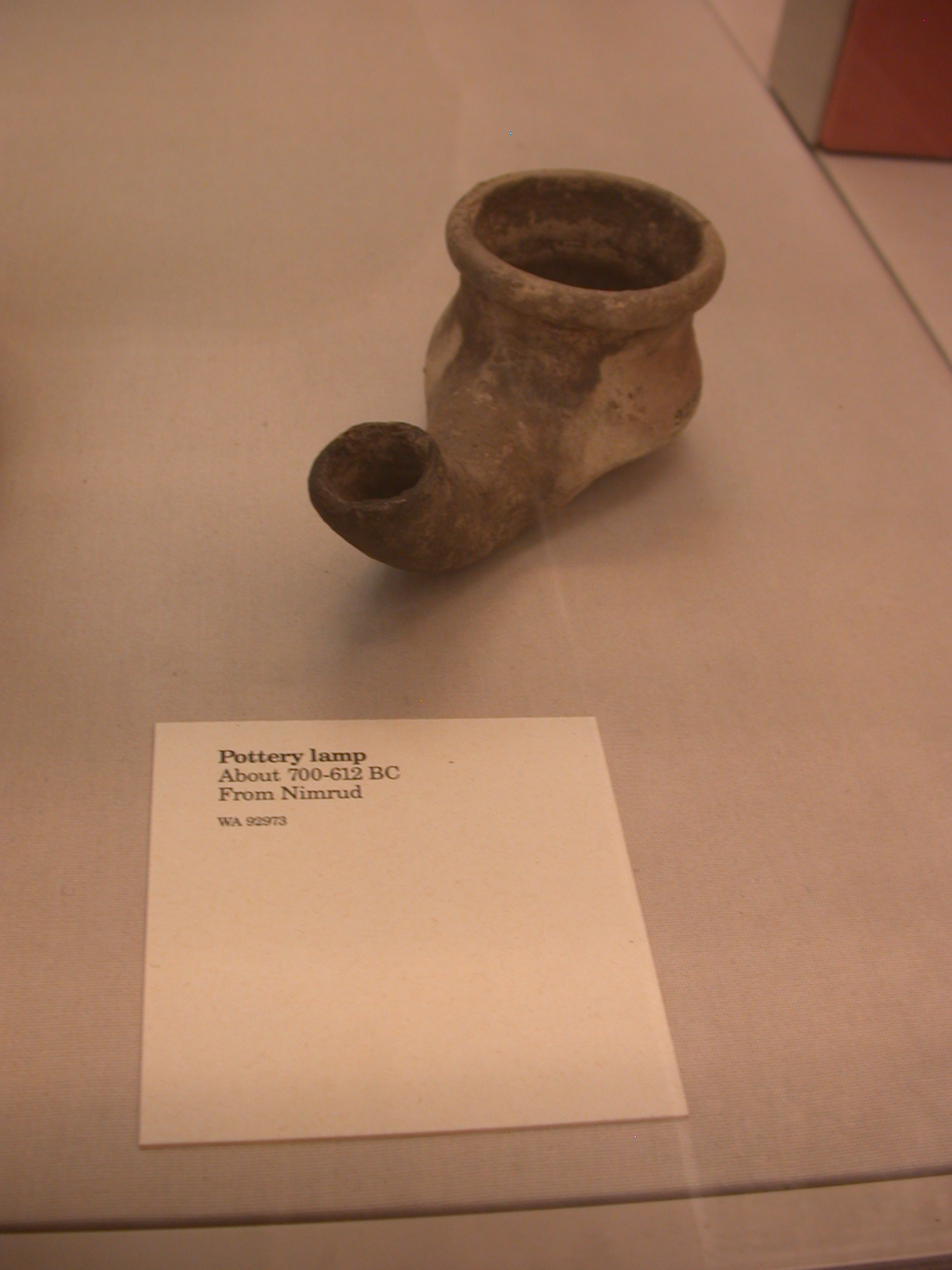
Silver Cup With Gold Leaf Overlaid on Floral and Geometric Patterns, 670-620 BCE, Hidden Below a Floor Where Buried About 612 BCE, Nimrud, Assyria, and Bronze Cup With Incised Pattern, About 750-710 BCE, Part of Hoard Left Behind When Sargon Moved to Khorsabad, Northwest Palace, Nimrud, Assyria, in British Museum, London, England Pottery Plates, About 700-612 BCE, Nimrud, Assyria, in British Museum, London, England Pottery Lamp, About 700-612 BCE, Nimrud, Assyria, in British Museum, London, England

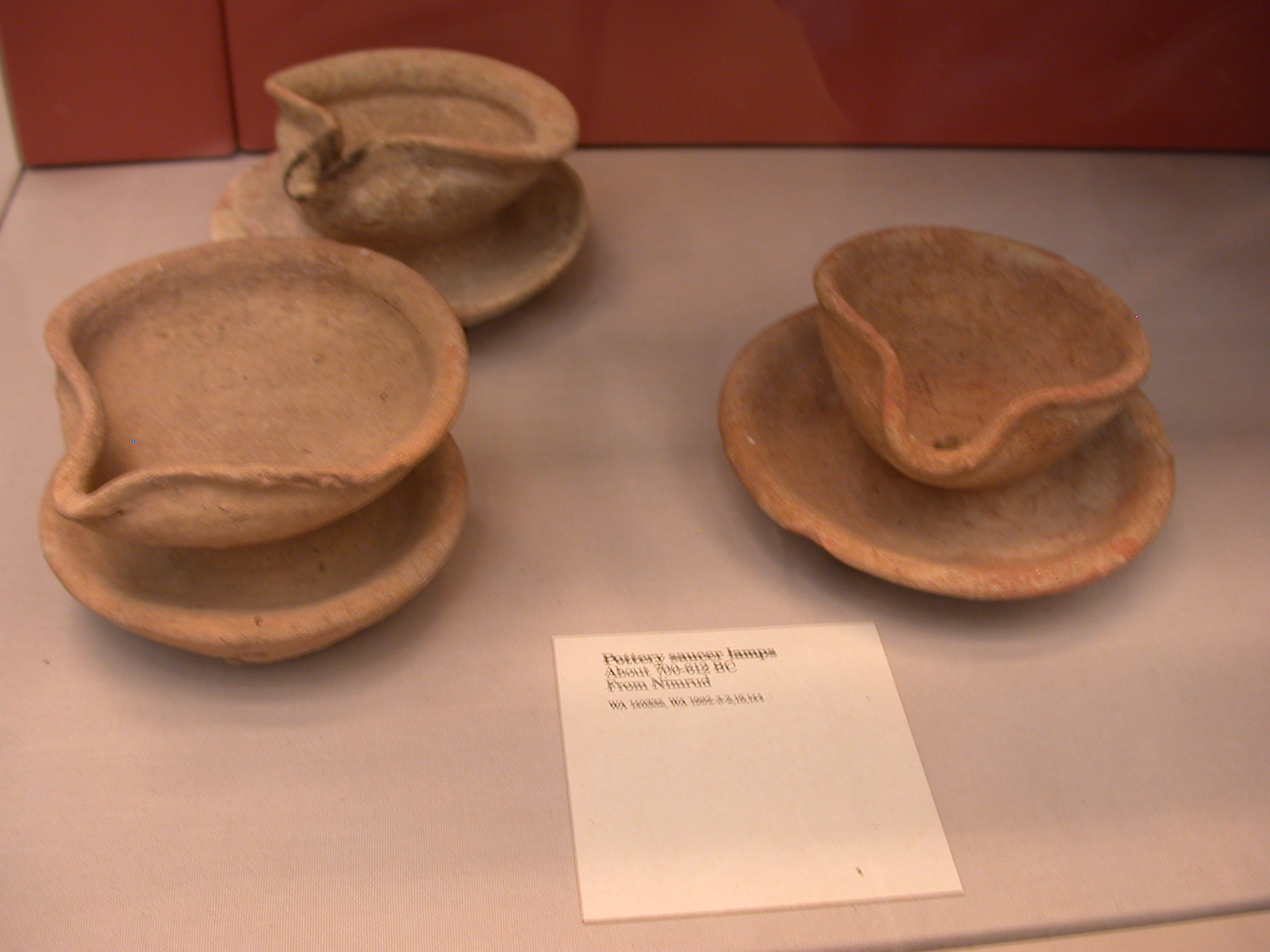
Pottery Saucer Lamps, About 700-612 BCE, Nimrud, Assyria, in British Museum, London, England Panel Representing King, Officials, Guards, and Protective Spirits, Perhaps From Quiver, Ivory, About 730-710 BCE, Nimrud, Assyria, in British Museum, London, England Panels Representing King, Officials, Guards, and Protective Spirits, Perhaps From Quiver, Ivory, About 730-710 BCE, Nimrud, Assyria, in British Museum, London, England

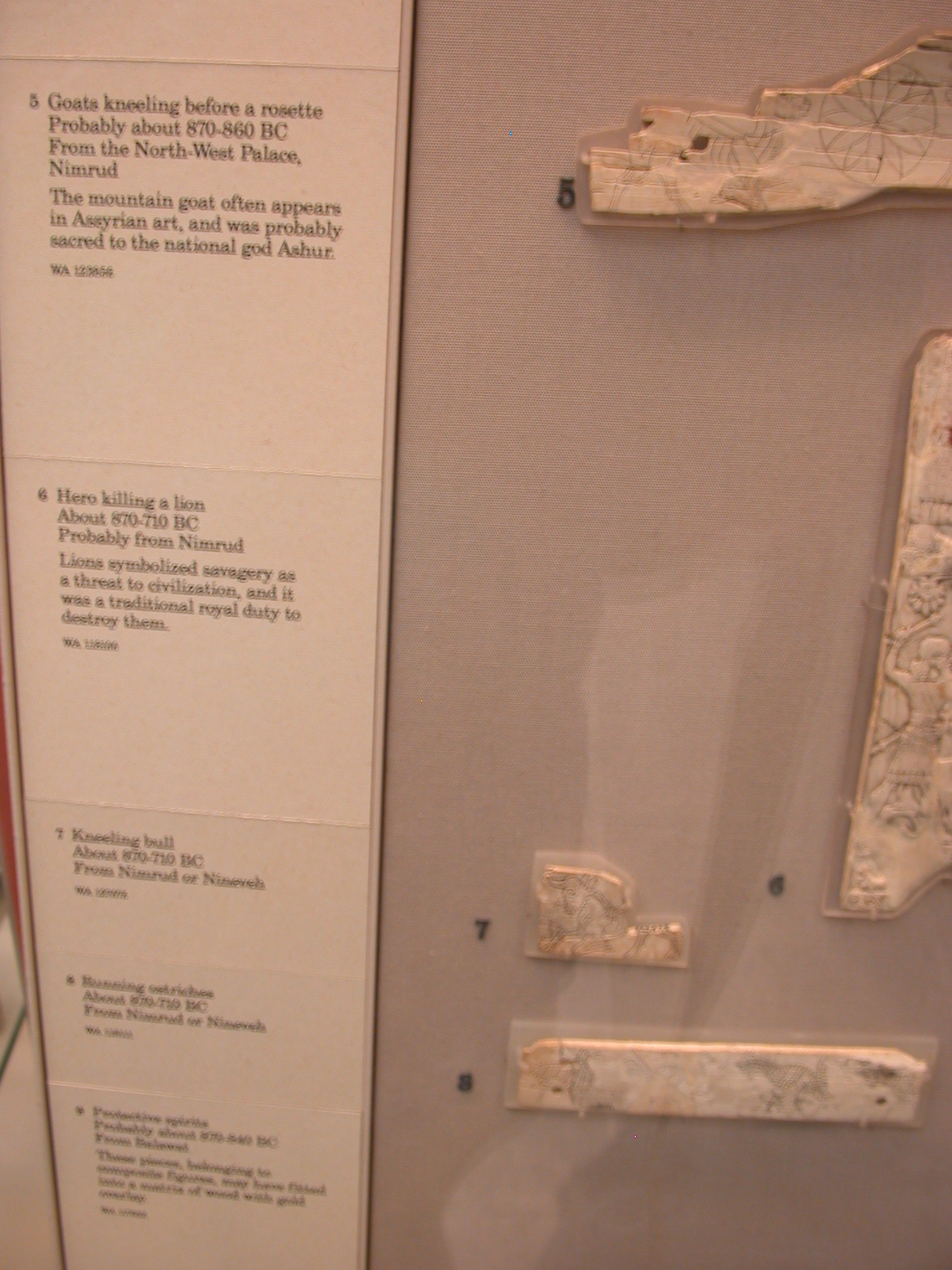
Protective Spirit, Ivory Tablet, About 730-710 BCE, Central Palace, Nimrud, Assyria, in British Museum, London, England Tribute Bearers, Ivory Tablet, About 730-710 BCE, Central Palace, Nimrud, Assyria, and Battle Scene, Ivory Tablet, About 730-710 BCE, Central Palace, Nimrud or Nineveh, Assyria, in British Museum, London, England Goats Kneeling Before a Rosette, Ivory Tablet, About 870-860 BCE, Northwest Palace, Nimrud, Assyria, and Kneeling Bull, Ivory Tablet, About 870-710 BCE, Nimrud or Nineveh, and Running Ostriches, Ivory Tablet, About 870-710 BCE, Nimrud or Nineveh, in British Museum, London, England

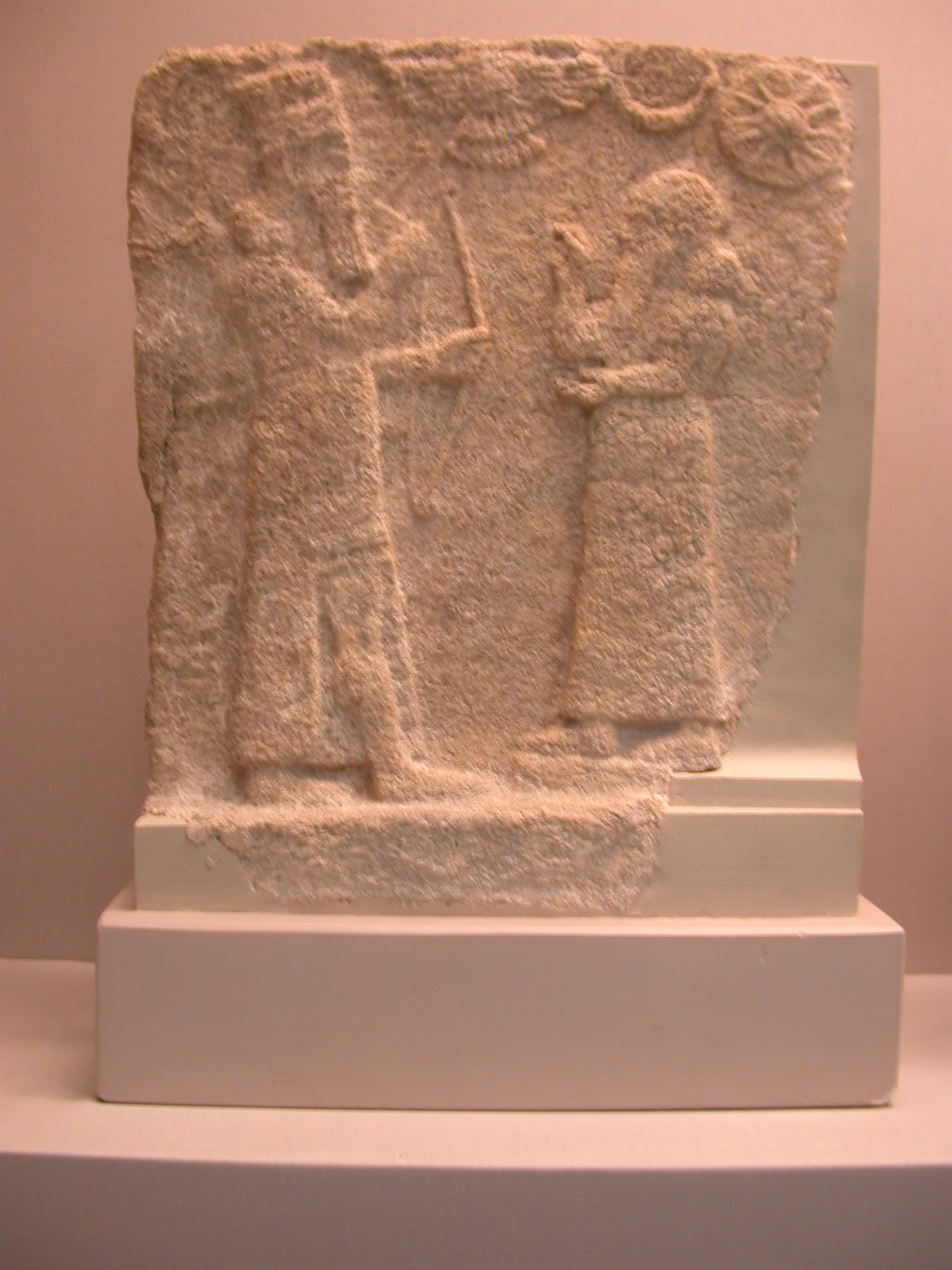
Hero Killing a Lion, Ivory Tablet, About 870-710 BCE, Probably Nimrud, Assyria, in British Museum, London, England Protective Spirits, Ivory, About 870-840 BCE, Balawat, Assyria, in British Museum, London, England Assyrian in Court Dress Worshipping Shrine, Perhaps Ninurta, Domestic Shrine Tile, Gypsum, About 800-700 BCE, Ashur, Assyria, in British Museum, London, England

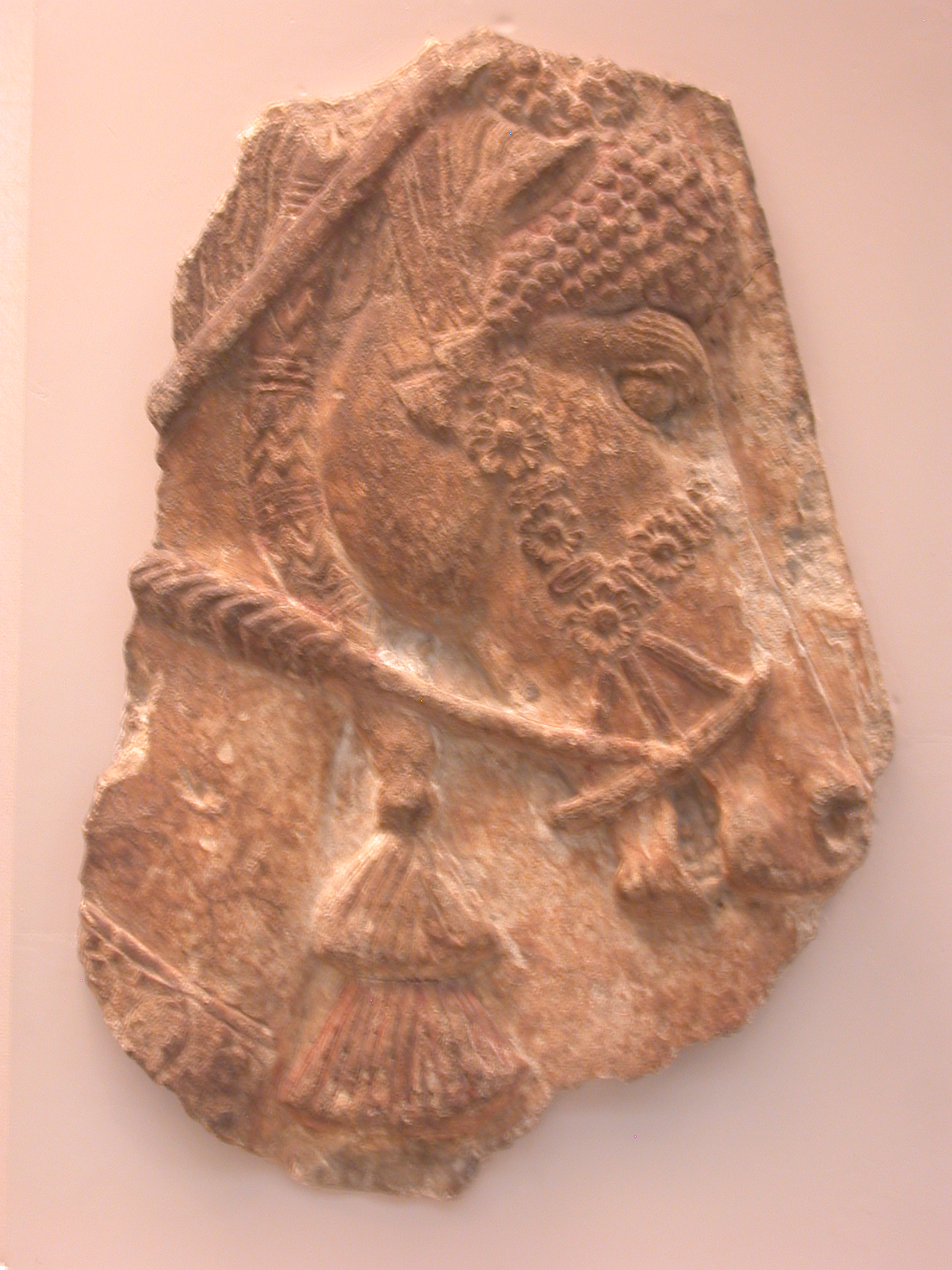
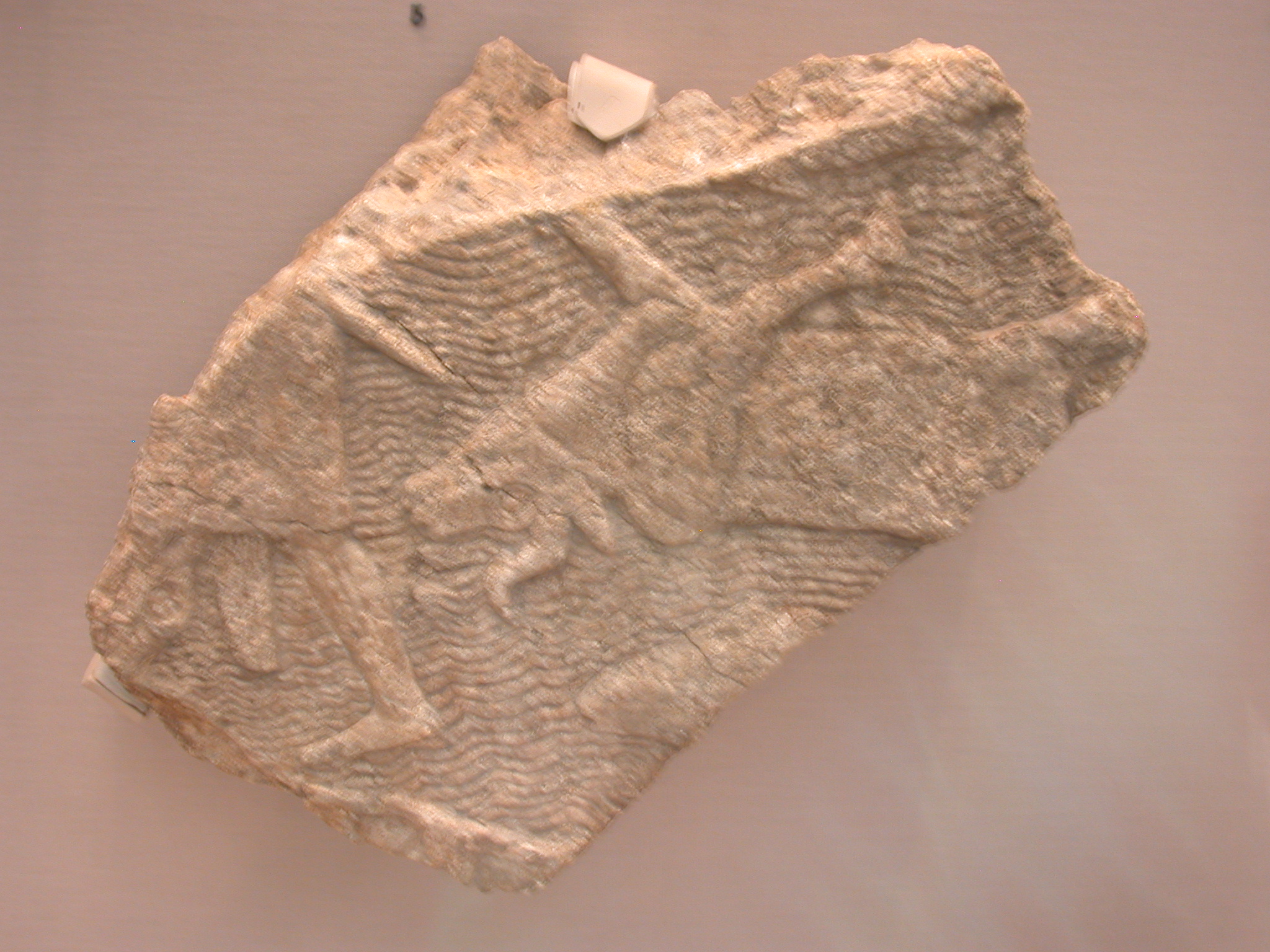
Seascape Wall Panel, Gypsum, About 730 BCE, Palace of Tiglath-pileser III, Nimrud, Assyria, in British Museum, London, England Horse Head With Elaborate Harness, Gypsum Wall Panel, About 710 BCE, Palace of Sargon, Khorsabad, Assyria, in British Museum, London, England Animal in Water, Gypsum Wall Panel, About 700 BCE, Palace of Sennacherib, Nineveh, Assyria, in British Museum, London, England

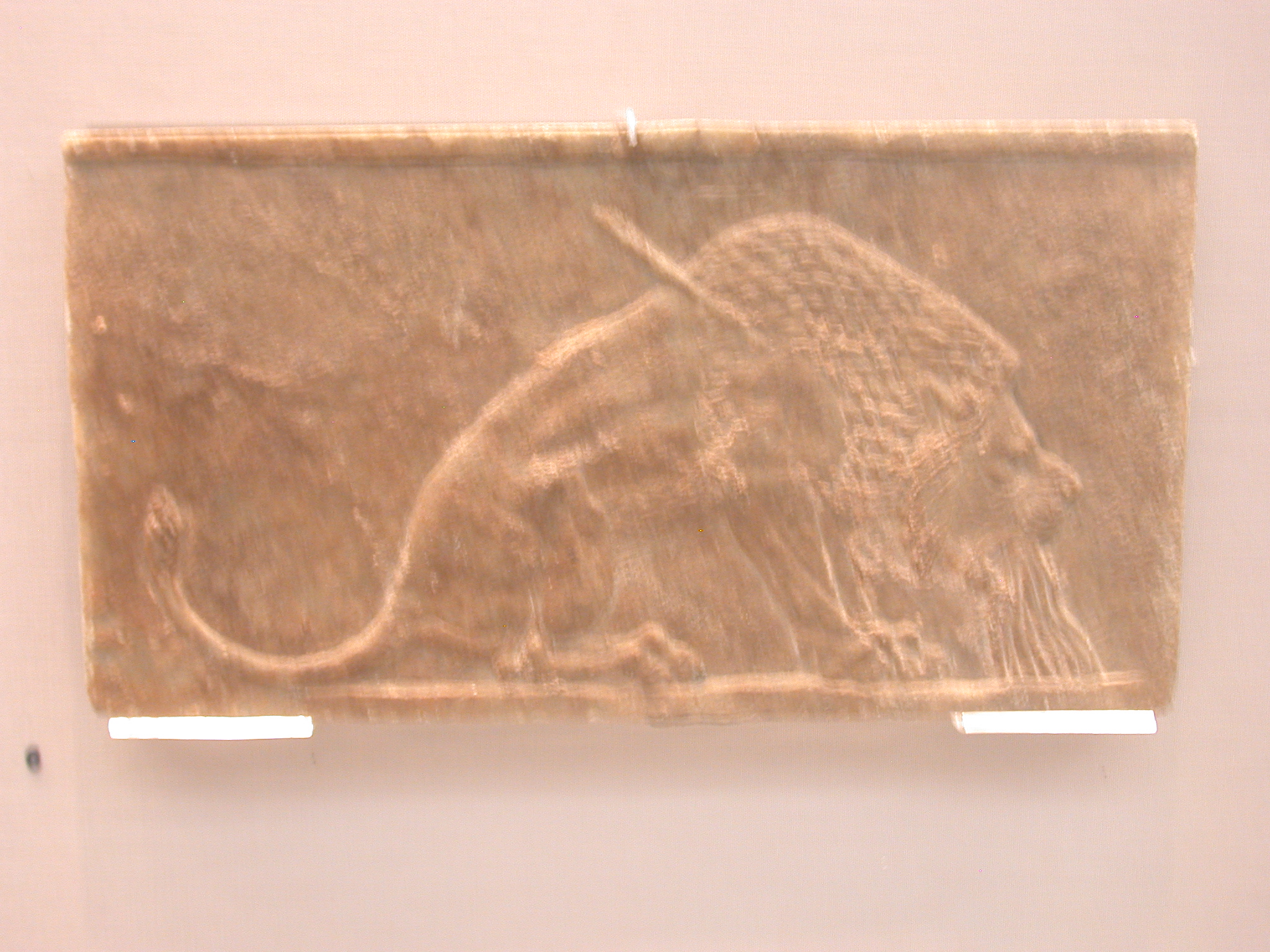
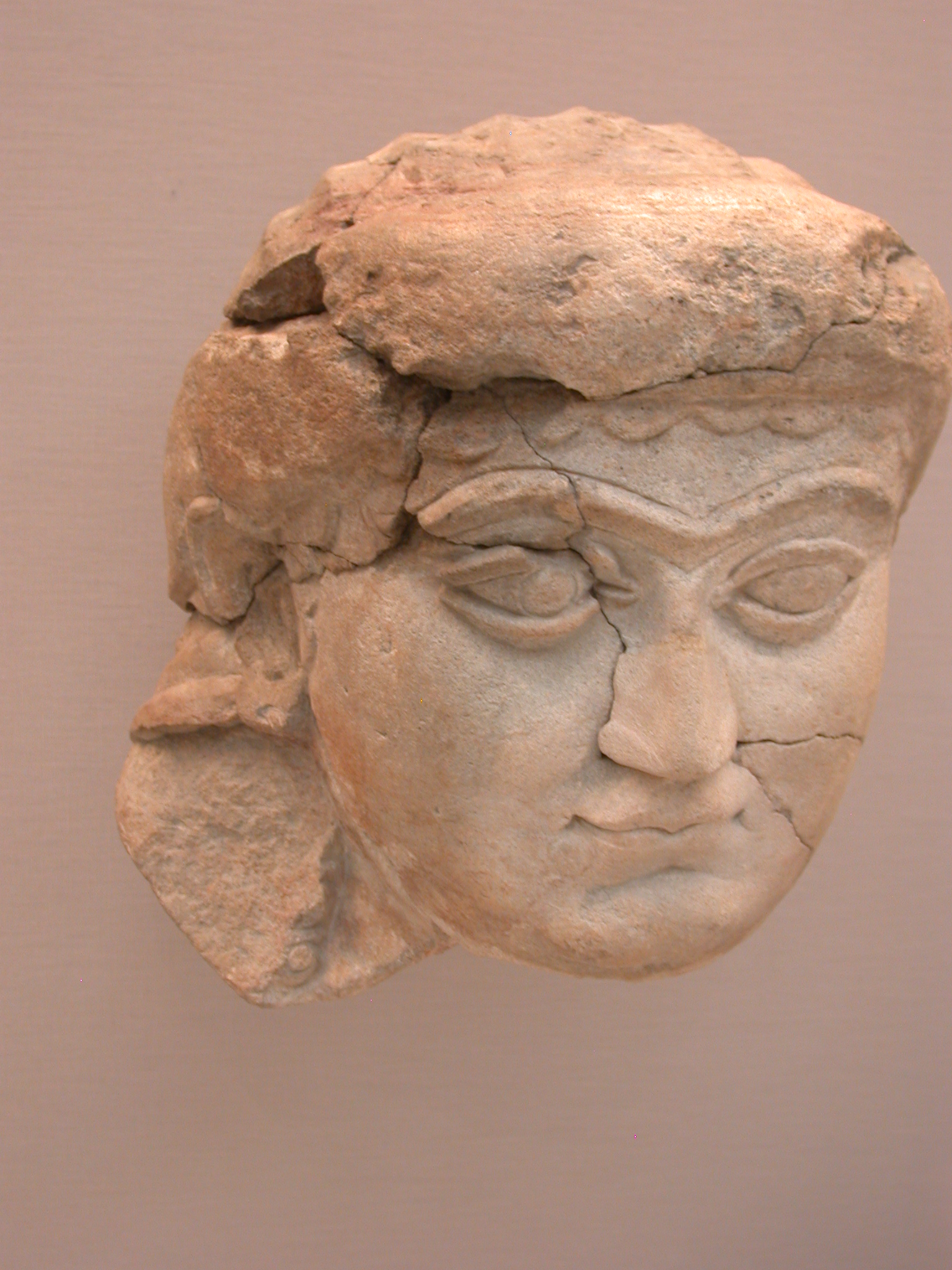
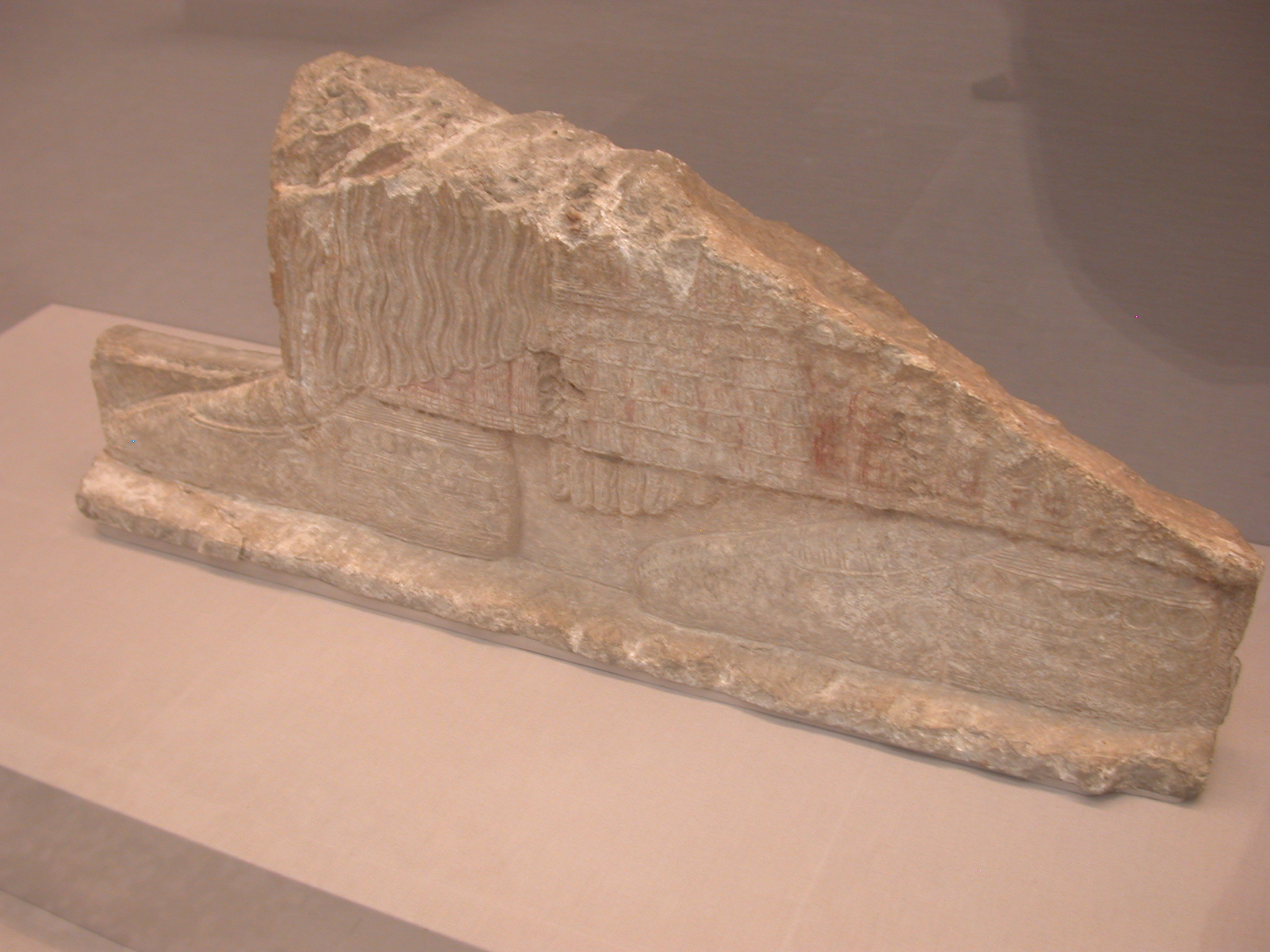
The Dying Lion, Gypsum Wall Panel, About 645 BCE, Palace of Ashurbanipal, Nineveh, Assyria, in British Museum, London, England Head of a Woman, Gypsum Wall Panel, About 700-625 BCE, Probably Nineveh, Assyria, in British Museum, London, England Base of a Royal Figure, Gypsum Wall Panel, Probably Palace at Nineveh, Assyria, in British Museum, London, England

Head of a Woman, Statue, About 700-625 BCE, Ishtar Temple Area, Nineveh, Assyria, in British Museum, London, England

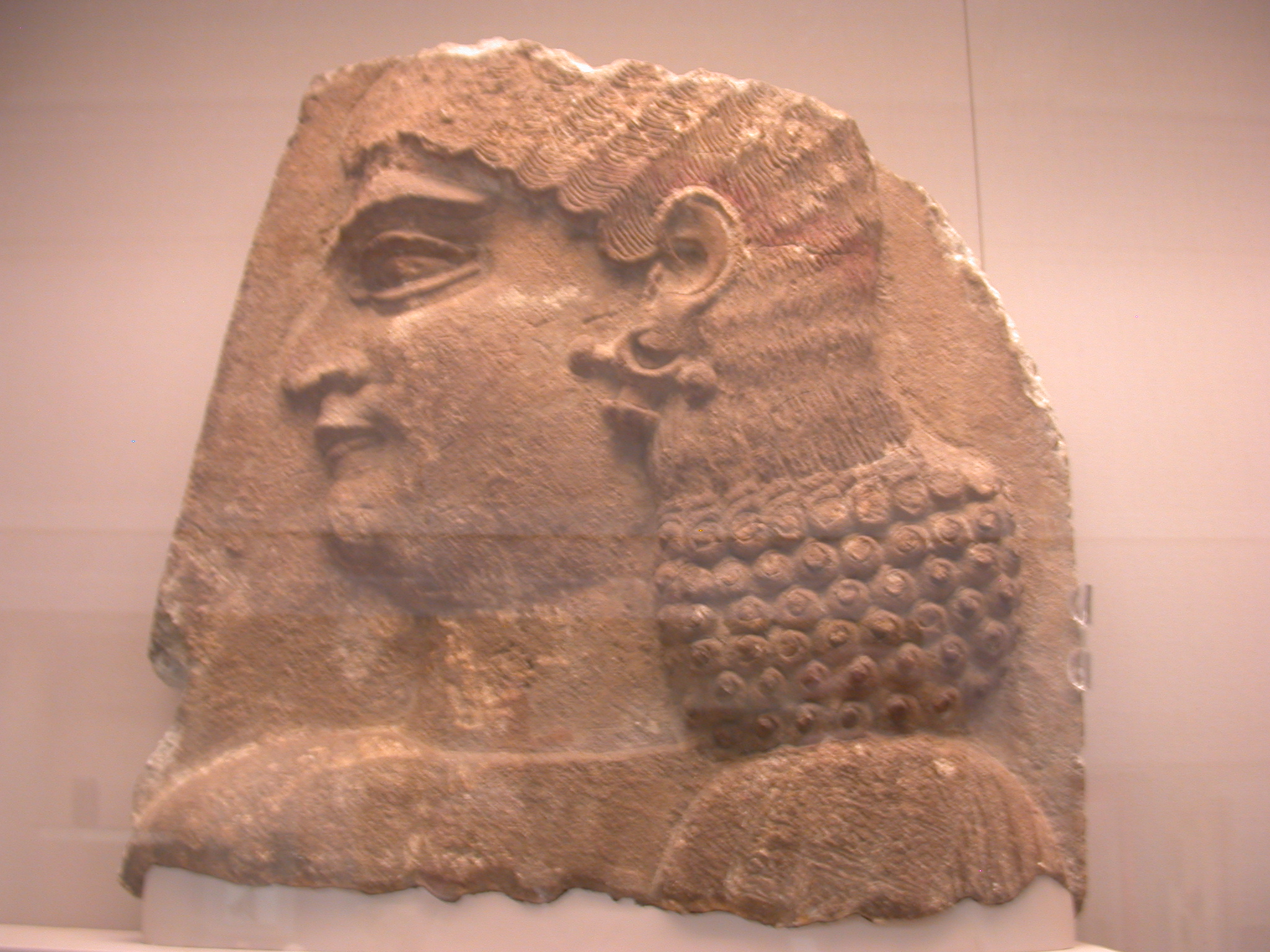
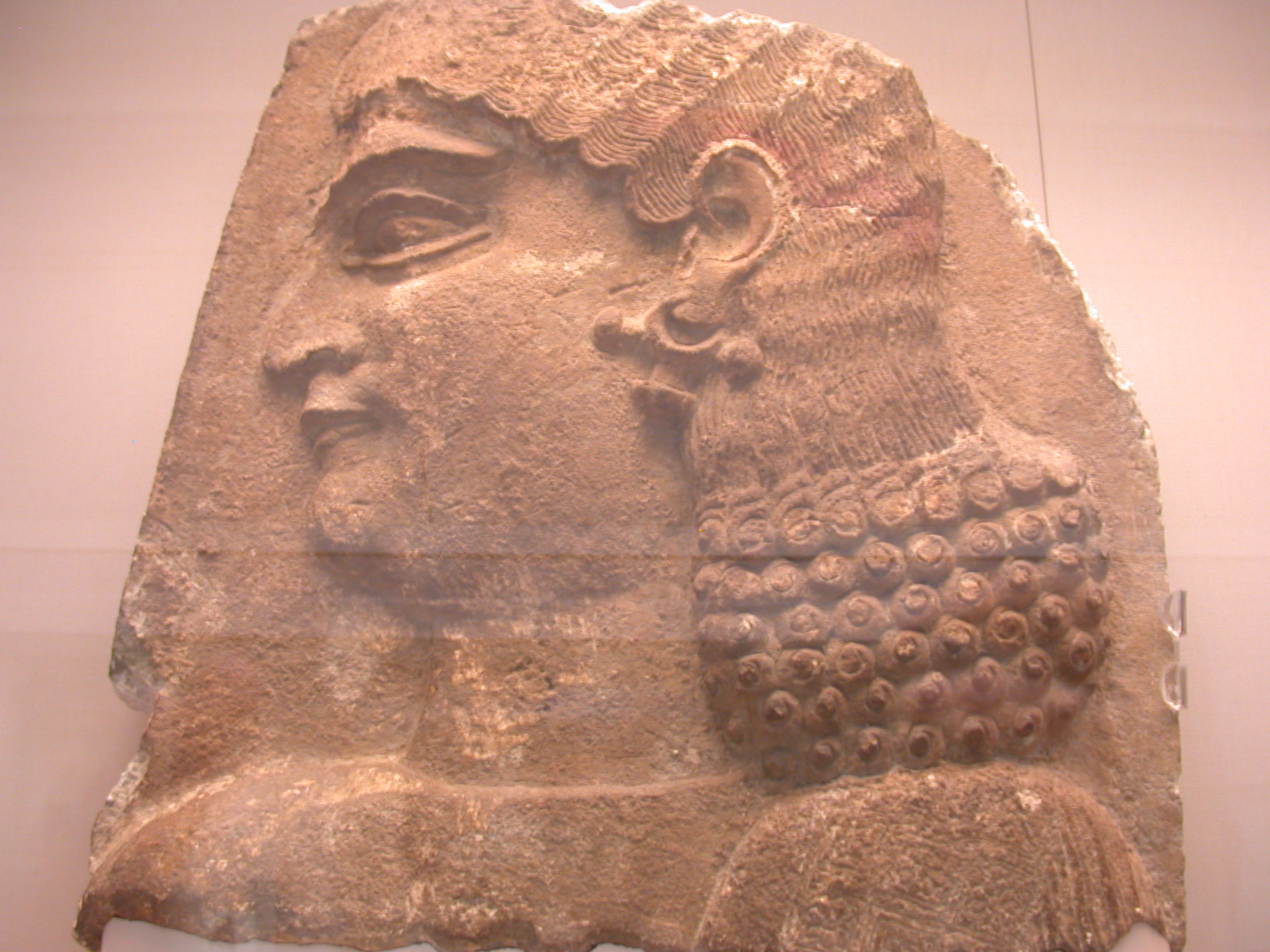
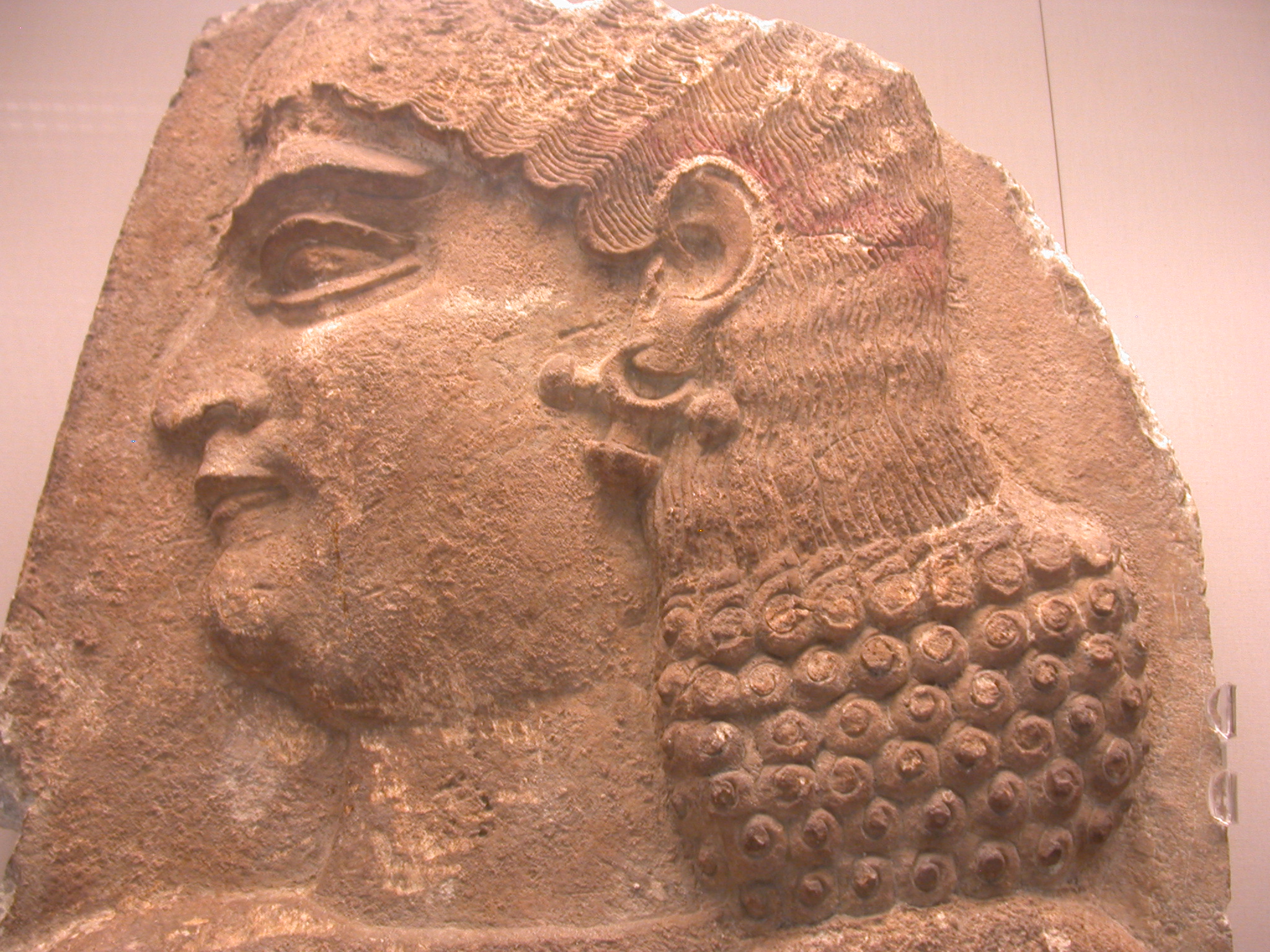
Head of a Eunuch Wearing Red Headband, Gypsum Wall Panel, About 710 BCE, Palace of Sargon, Khorsabad, Assyria, in British Museum, London, England Head of a Eunuch Wearing Red Headband, Gypsum Wall Panel, About 710 BCE, Palace of Sargon, Khorsabad, Assyria, in British Museum, London, England Head of a Eunuch Wearing Red Headband, Gypsum Wall Panel, About 710 BCE, Palace of Sargon, Khorsabad, Assyria, in British Museum, London, England

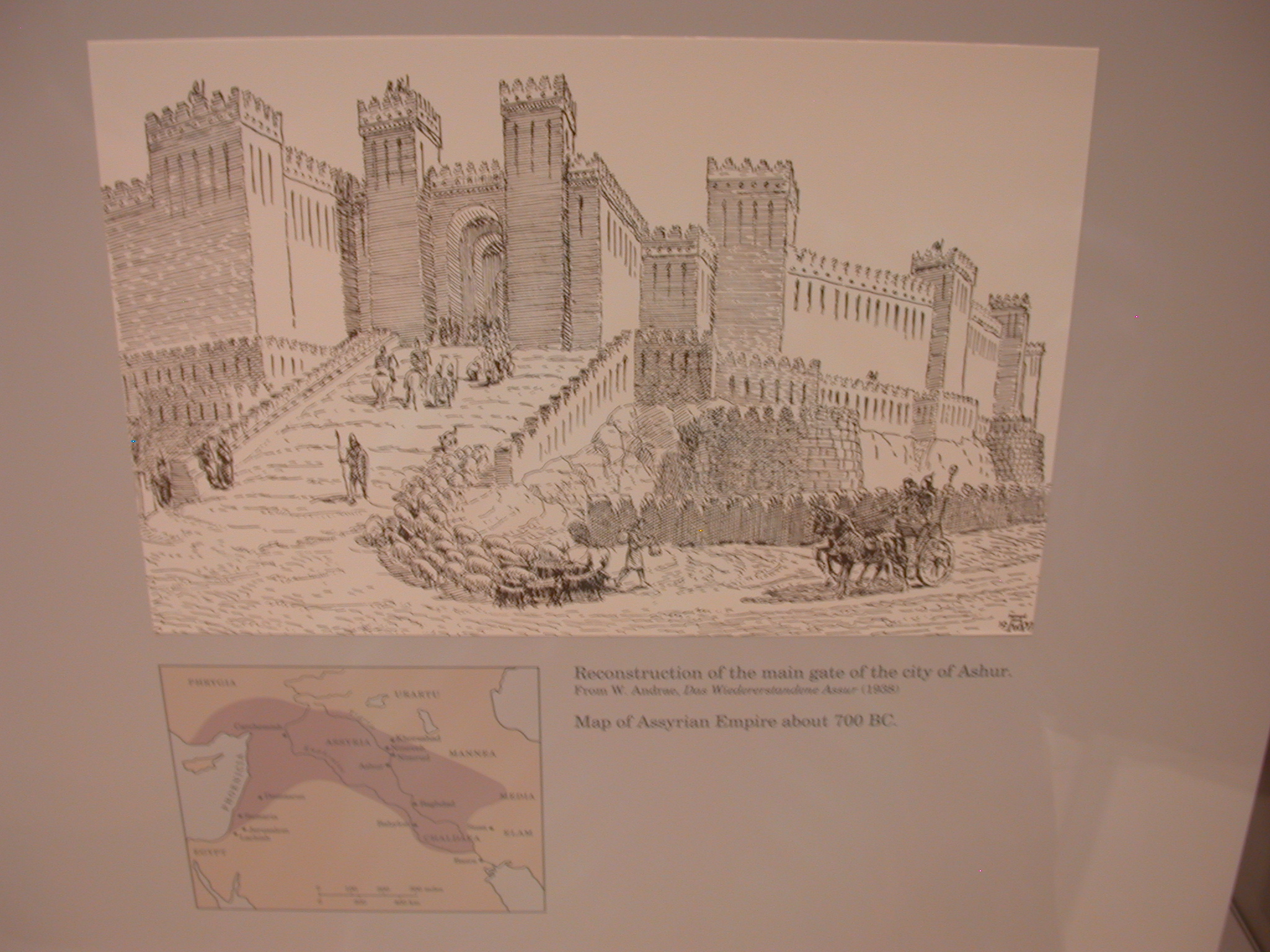
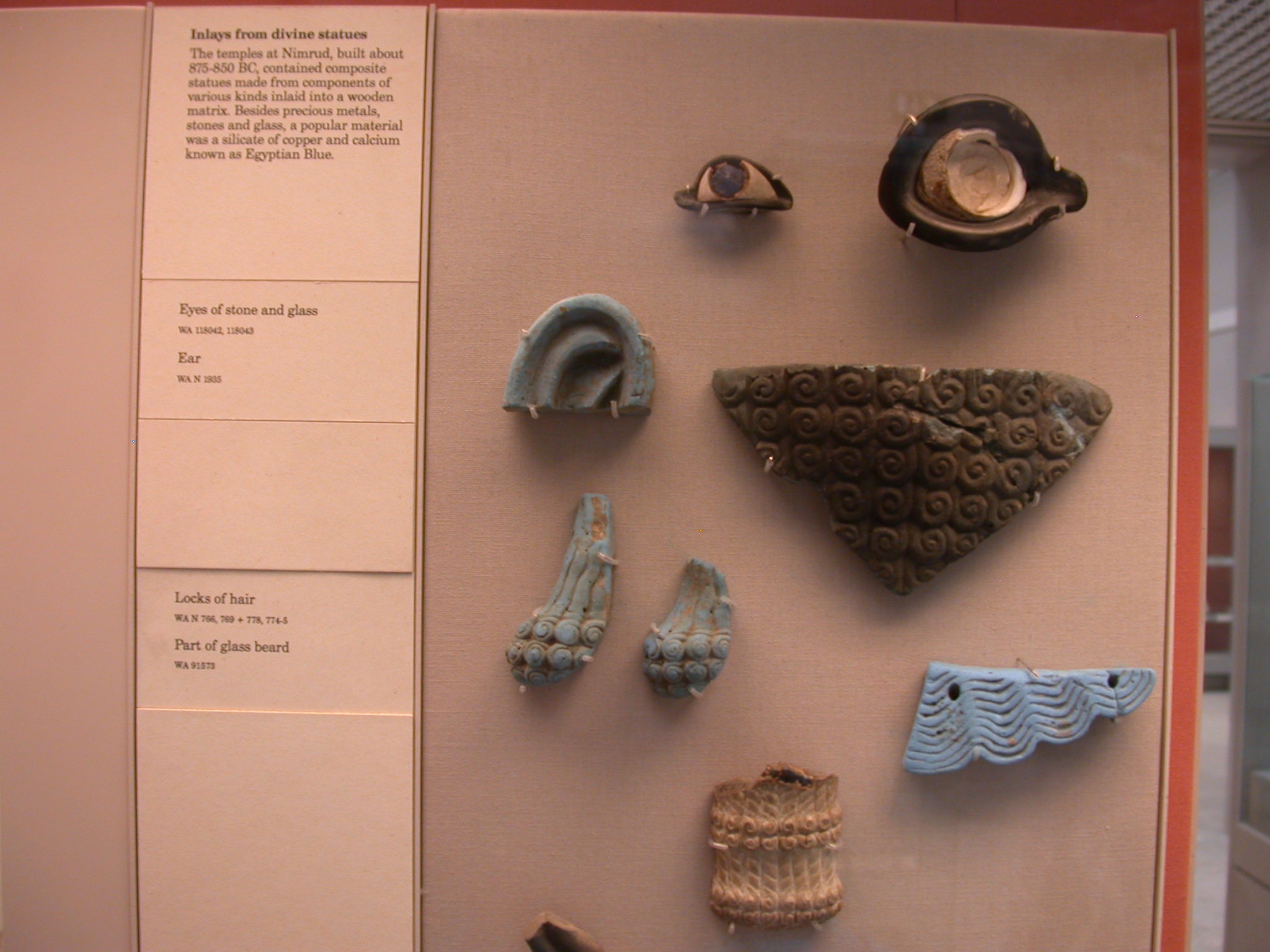
Main Gate of City, Ashur,  and Map of Empire About 700 BCE, Assyria, in British Museum, London, England Inlays From Divine Statues, 875-850 BCE, Temples at Nimrud, Assyria, in British Museum, London, England Inlays From Divine Statues, 875-850 BCE, Temples at Nimrud, Assyria, in British Museum, London, England

.

I continued with the Egyptian collection.
.
I finished up with the Benin bronzes and an assortment of sub-Saharan artifacts.

.
Then, I took photographs of some homoerotic Greek cups and vases, in particular, the so-called Warren Cup.

By the time I finished, I was late for an appointment at the Horniman Library associated with the Horniman Museum in Forest Hill. I didn’t have time to digest the 15 or so books I requested there, so I just typed in the reference information, then went to the museum for a quick trip through the African gallery there.

Finding the place wasn’t easy: two buses and a train from London Bridge, but the way back to central London was easier and I took the tube from London Bridge station to Covent Garden. There, I ate dinner at Food for Thought, a traditional veg restaurant. The place was packed, a long line stretching up the downward staircase at the entrance. I waited and eventually arrived at the head of the line, ordered quiche and salad with organic passion fruit juice. I shared a table and conversation with two women of apparently Indian extraction. They recommended another London veg restaurant called Govinda, run by the Krishnas.
Next, I walked to this pub, called Nell of Old Drury Pub. I came hoping to join the Rainbow Earth moot, which I had seen scheduled for this evening in the gay pagan yahoo group. However, it’s now 20:30 and no one has showed up. :(

Special Feature: Pakepu’s Coffins at the Fitzwilliam Museum in Cambridge, England

Friday, June 13th, 2008

Written on June 13, 2008, at Eat and Two Veg Restaurant, London, United Kingdom

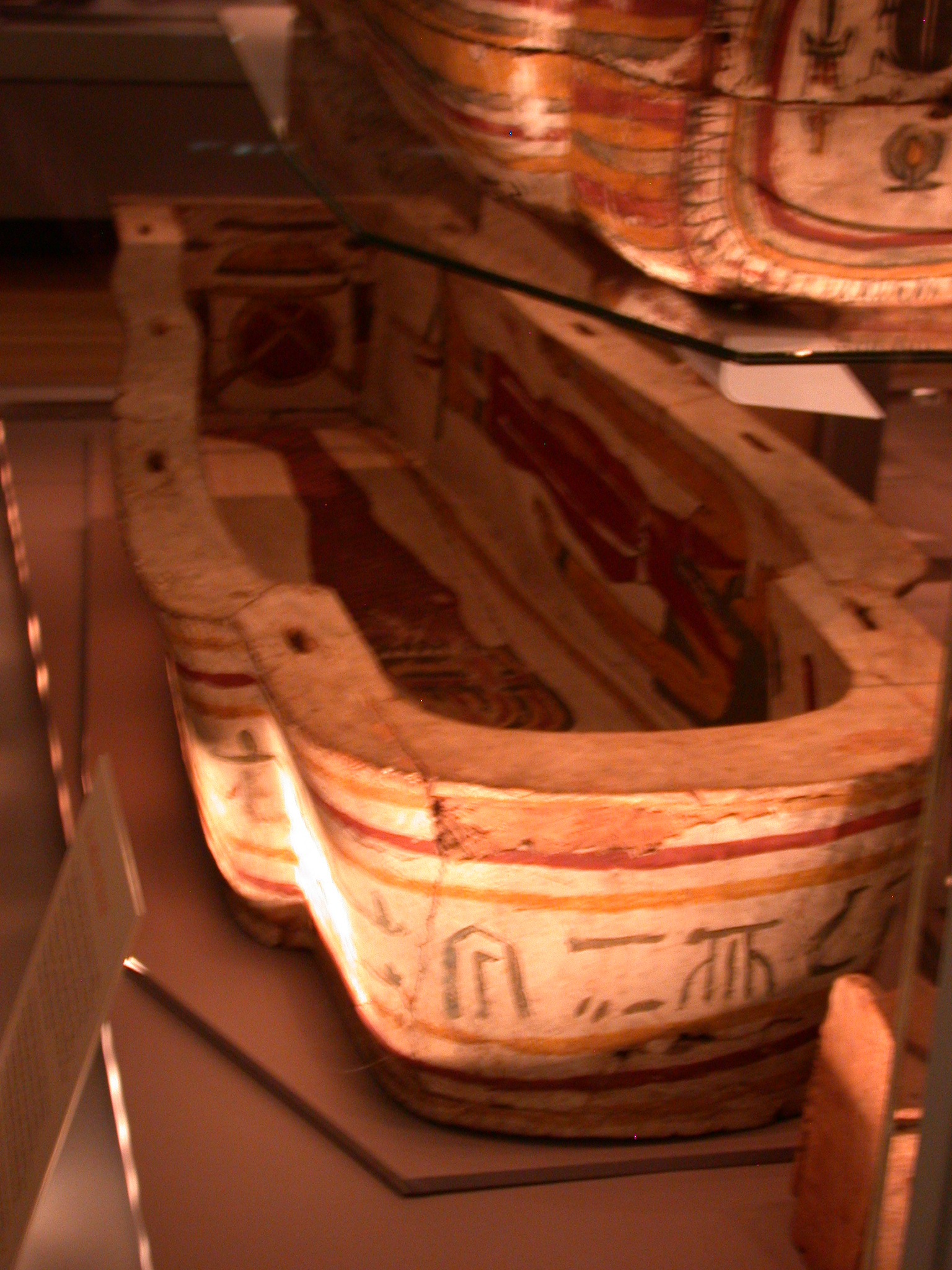
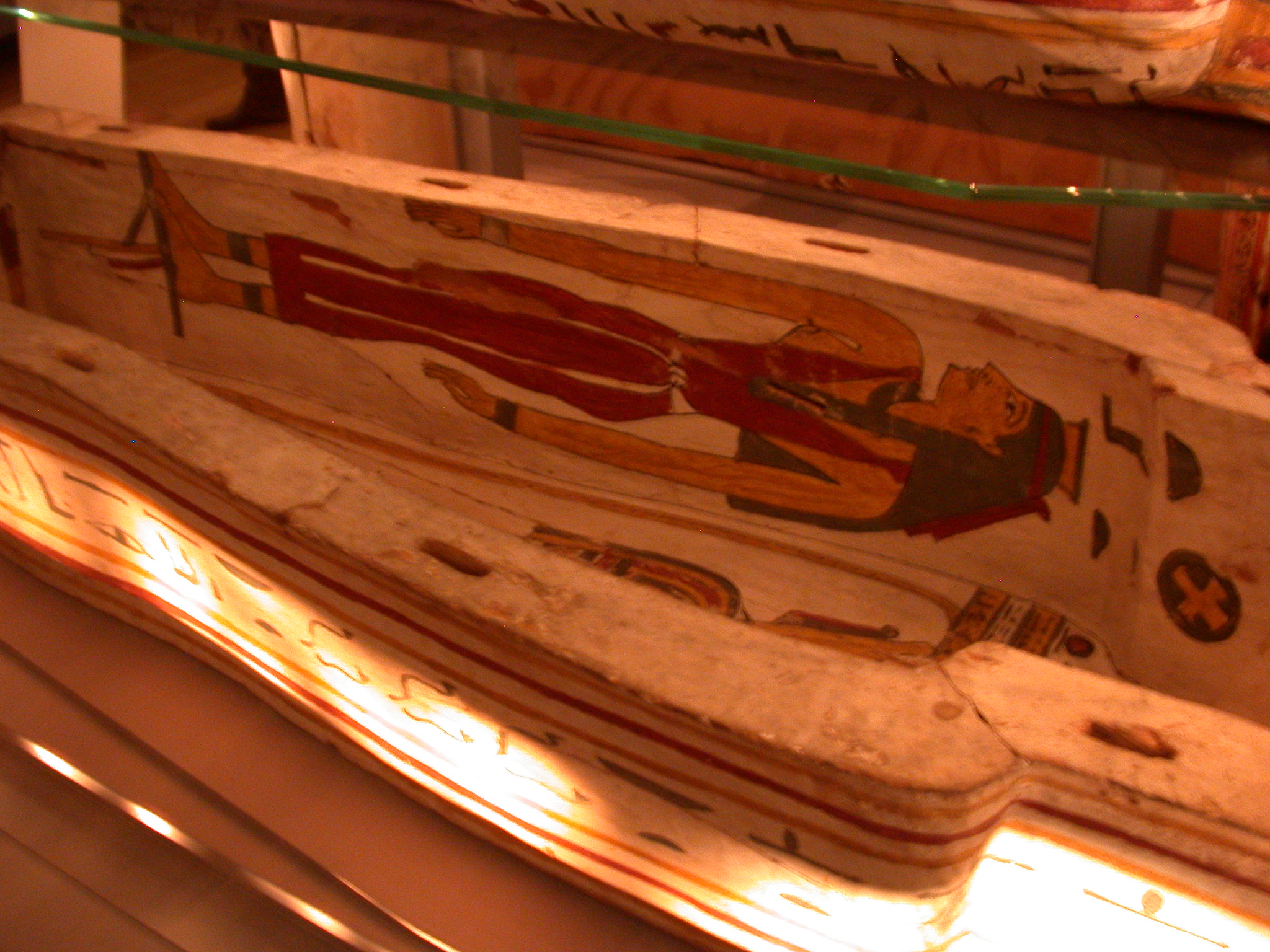
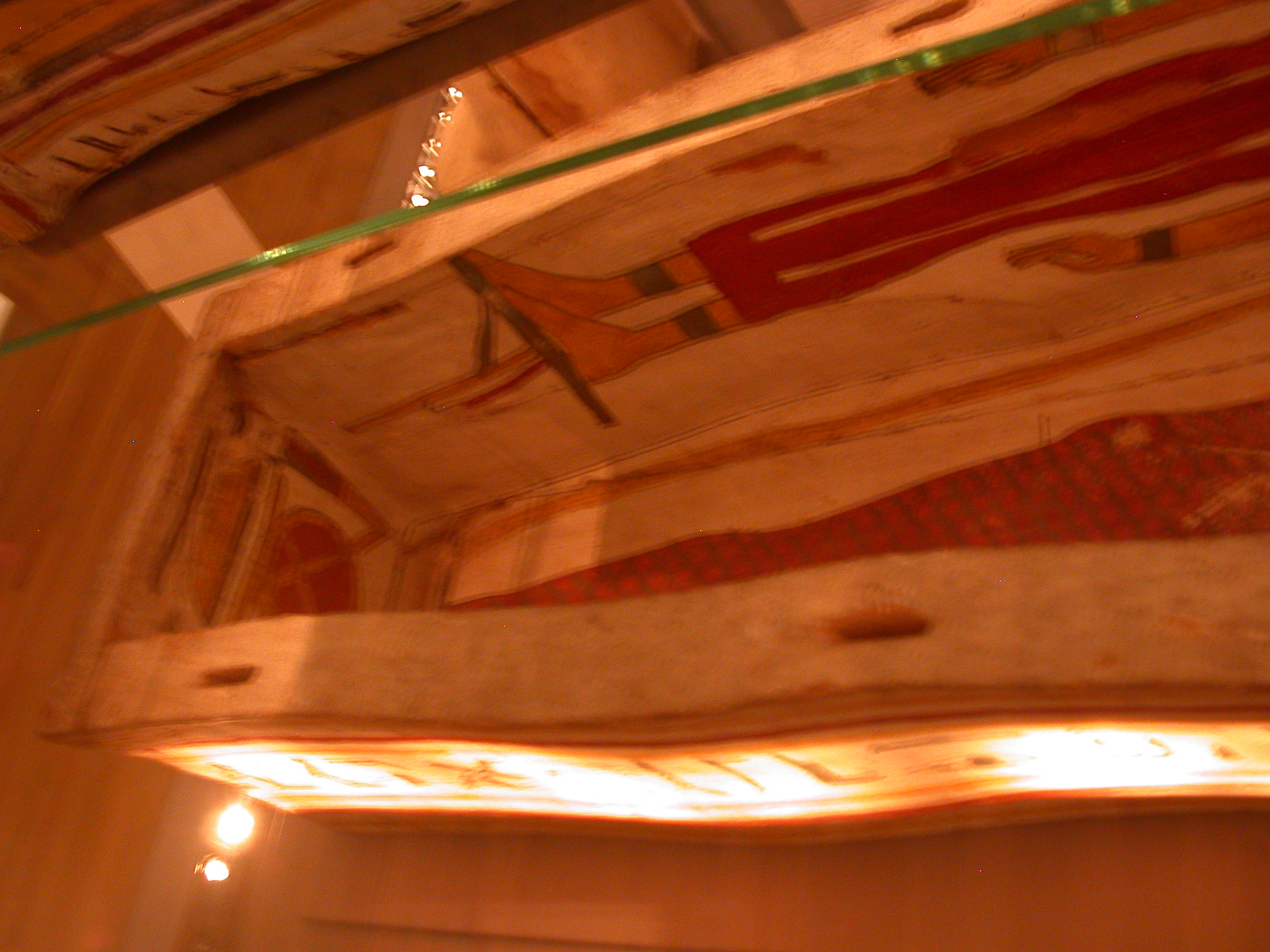
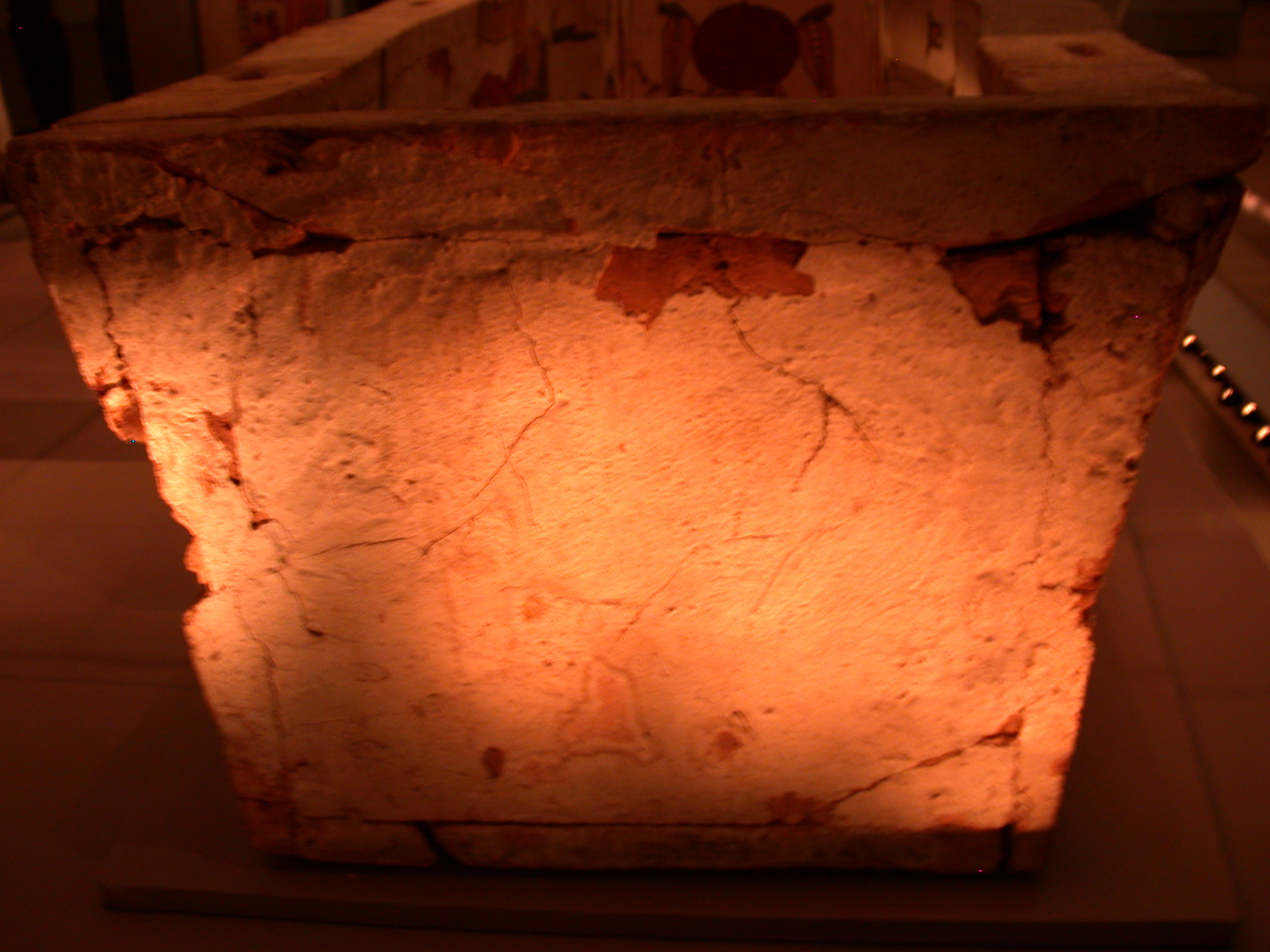
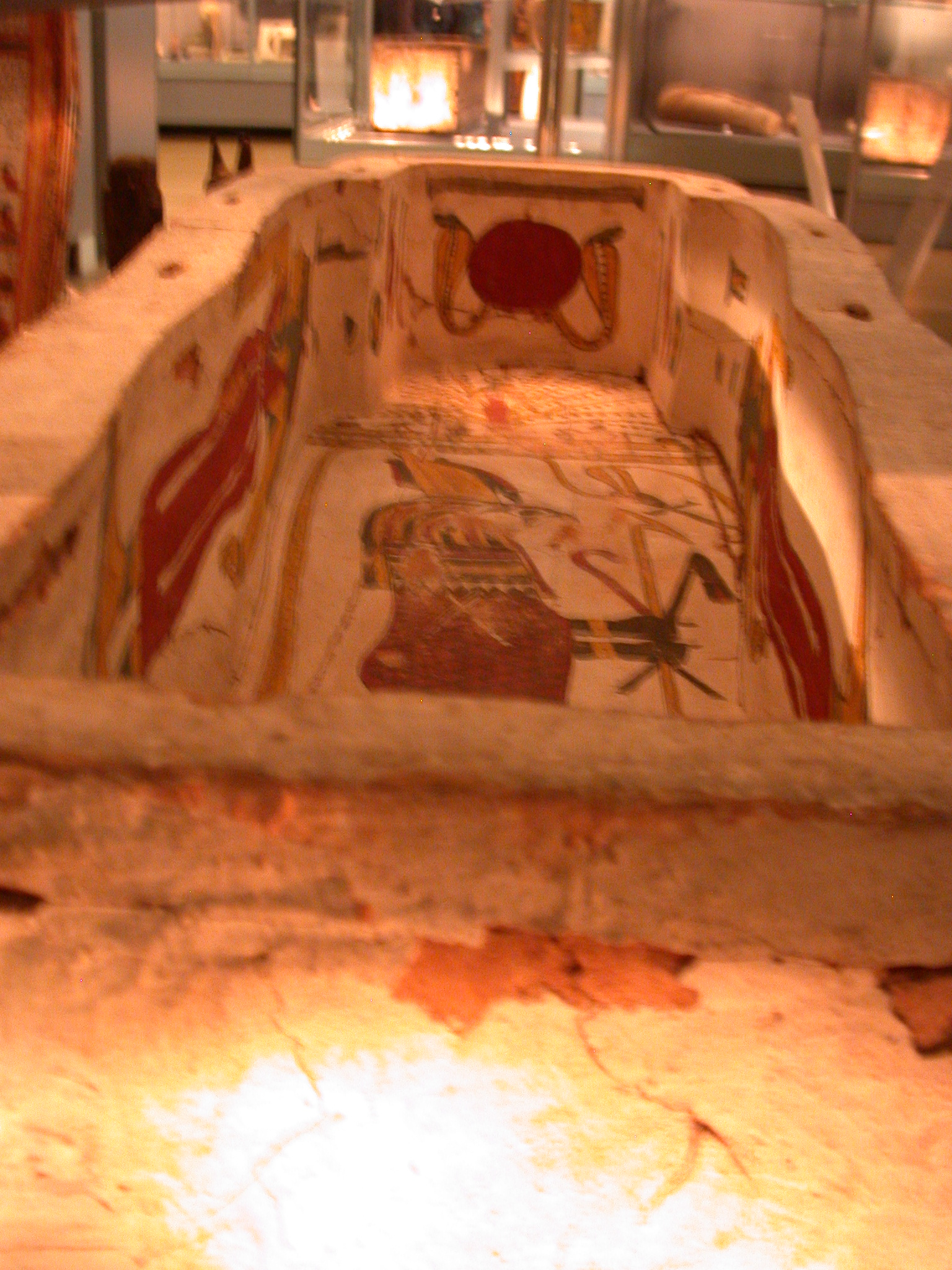
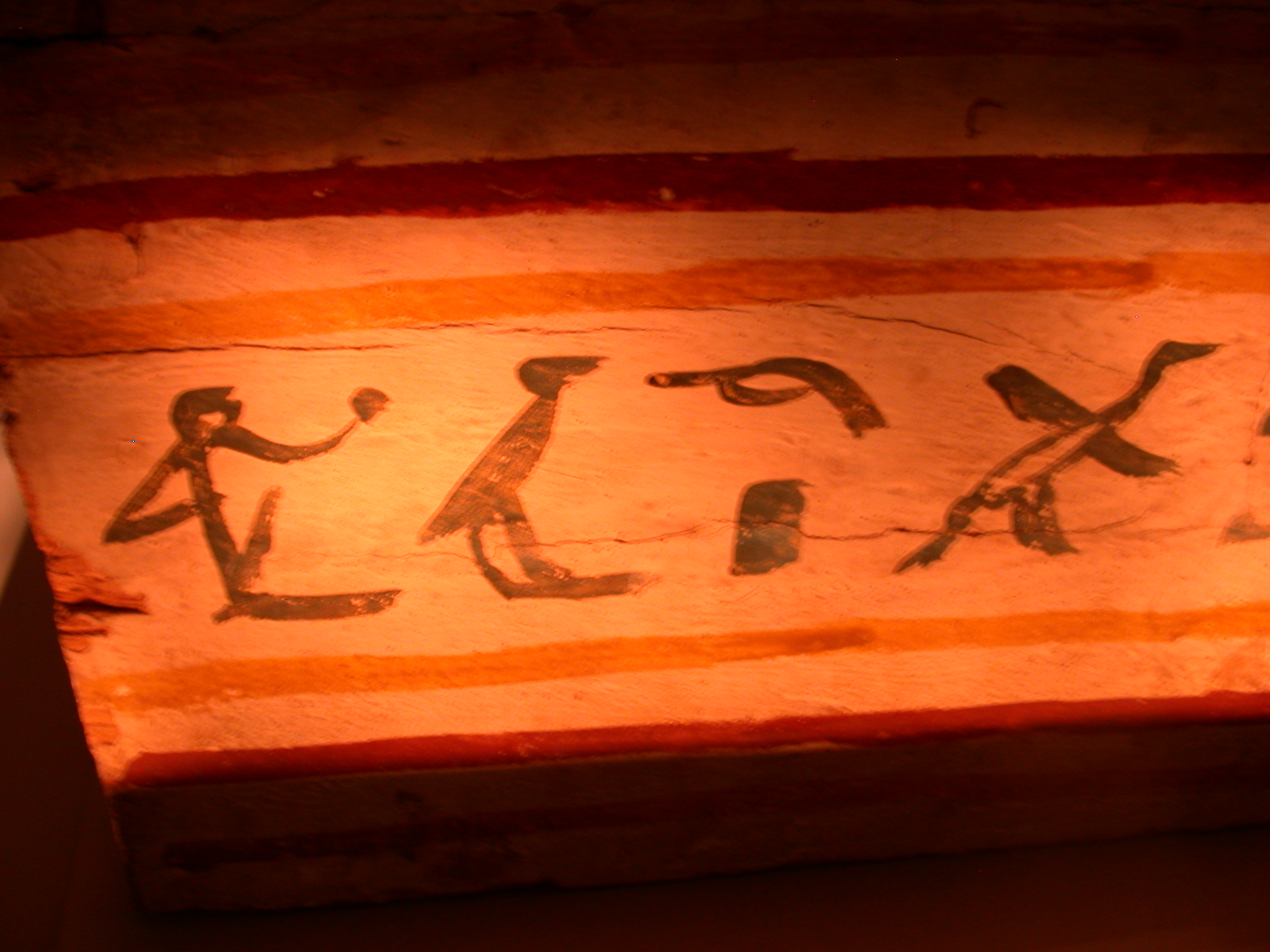
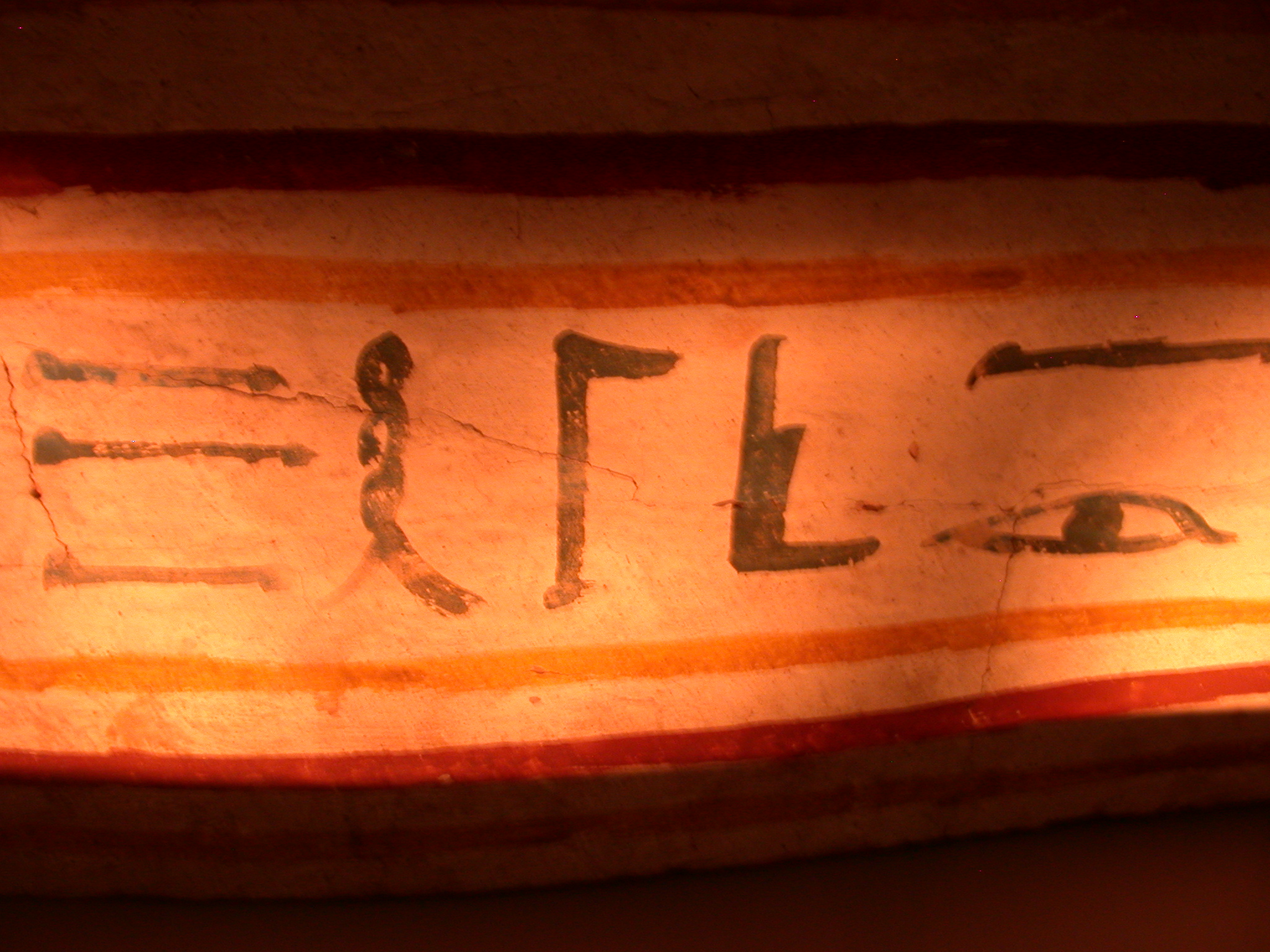
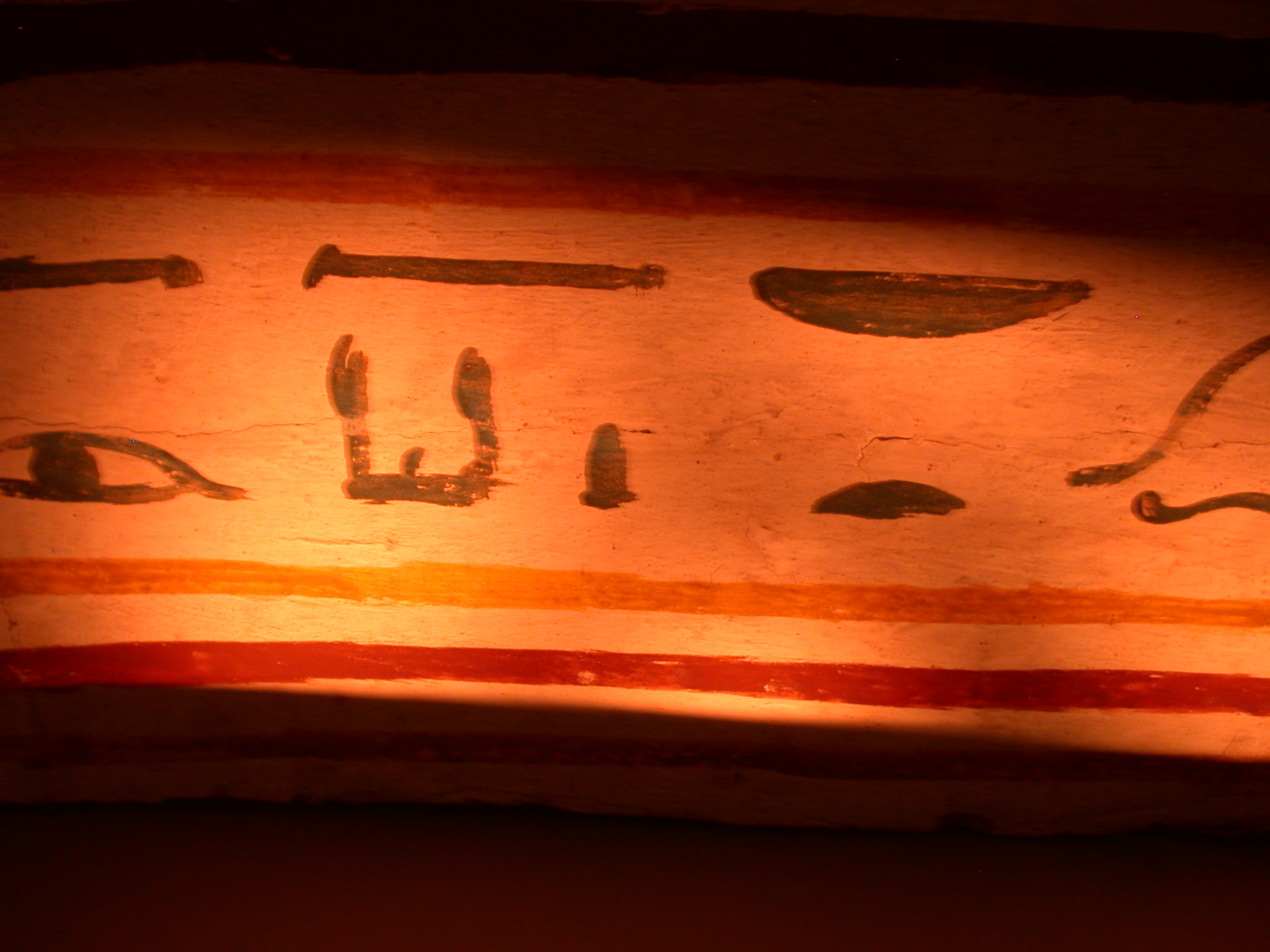
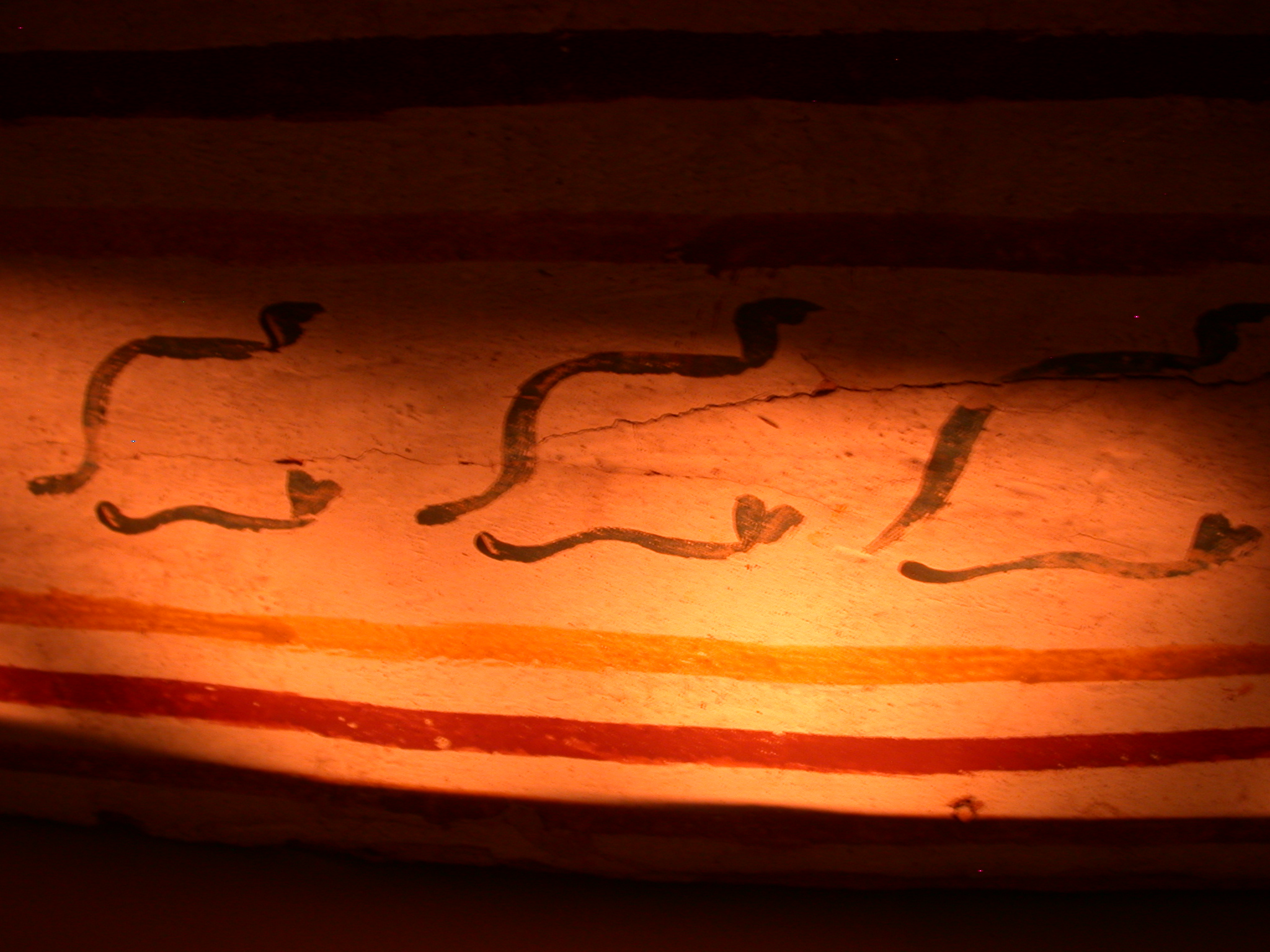
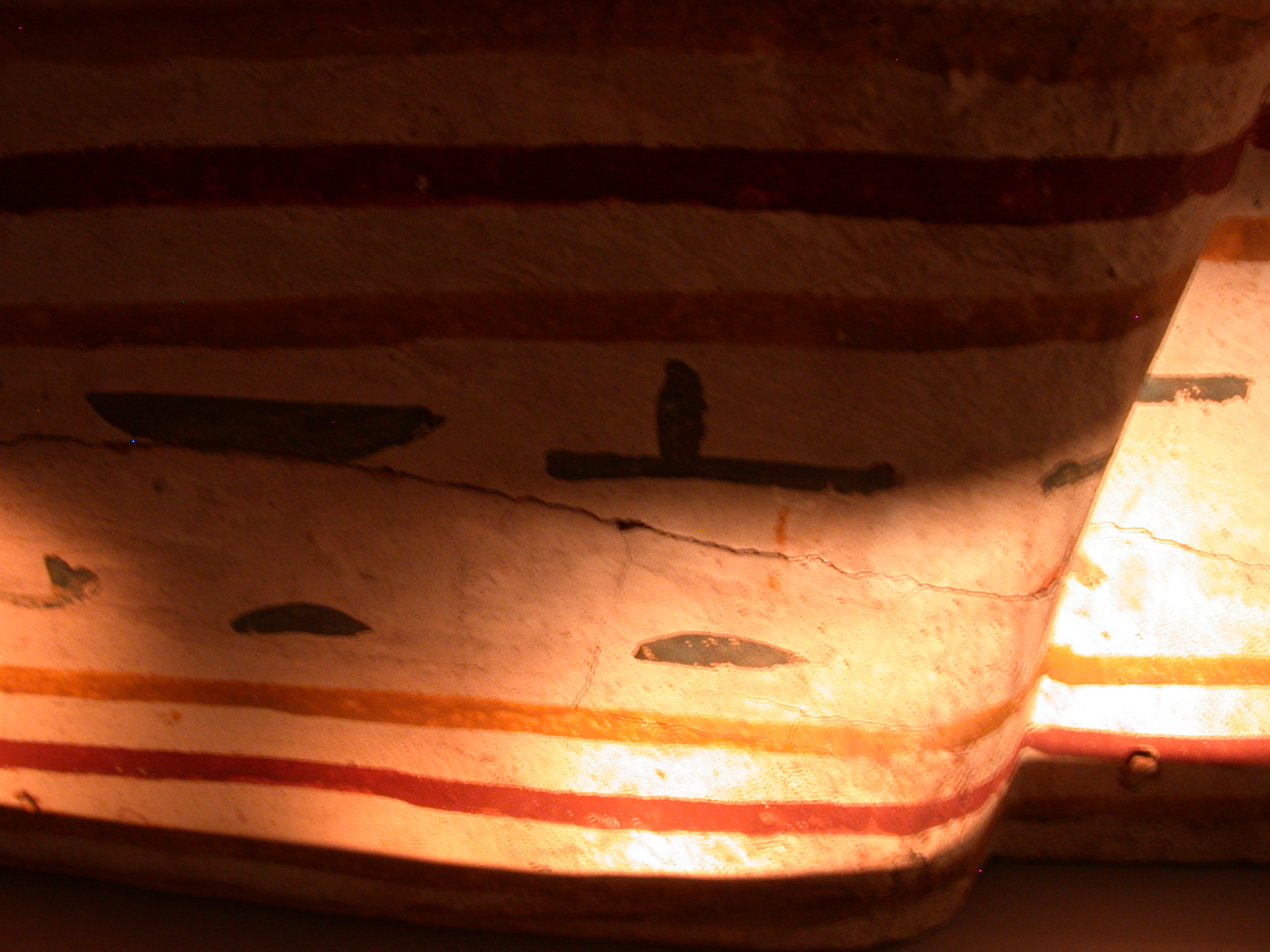
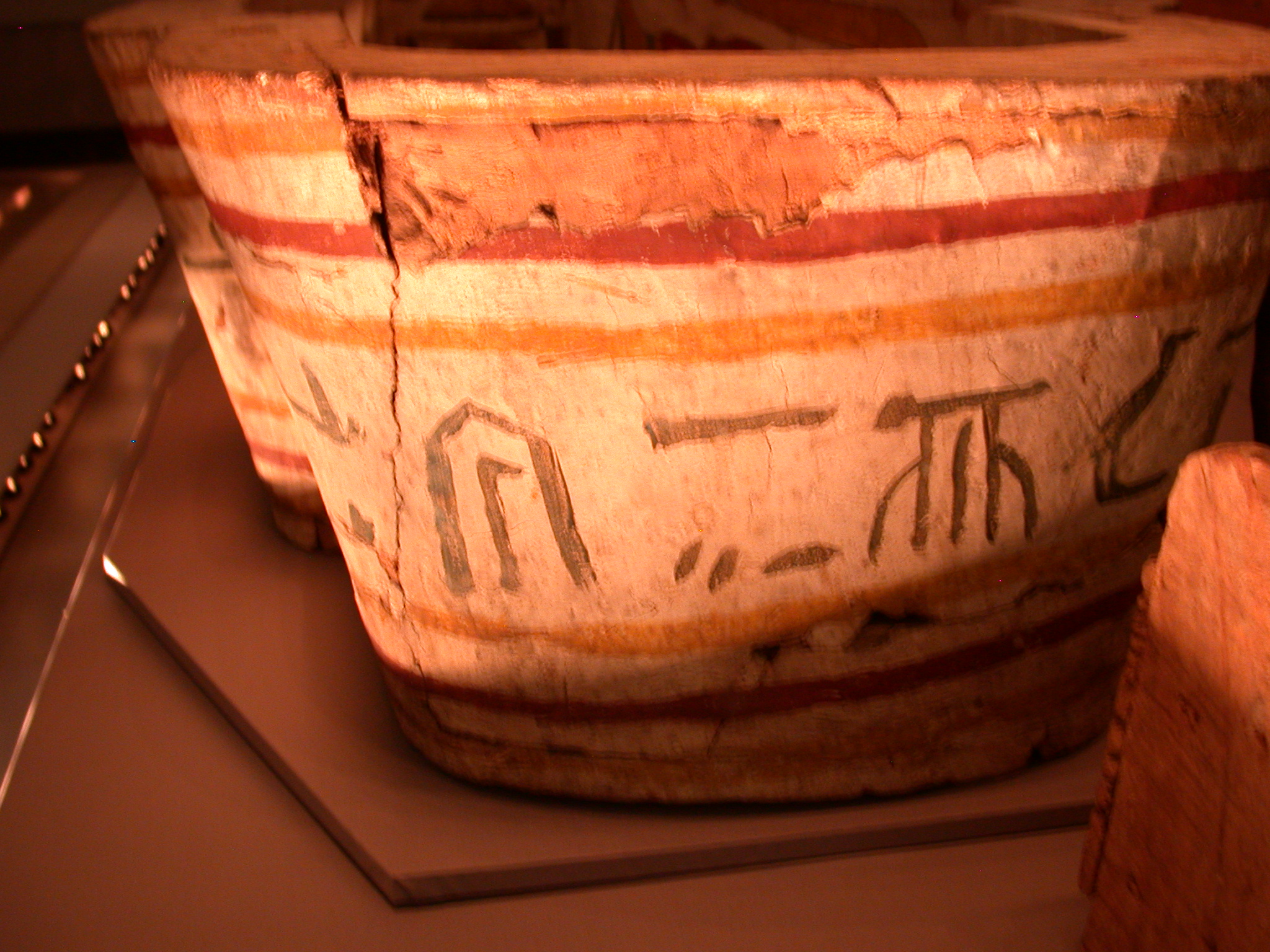
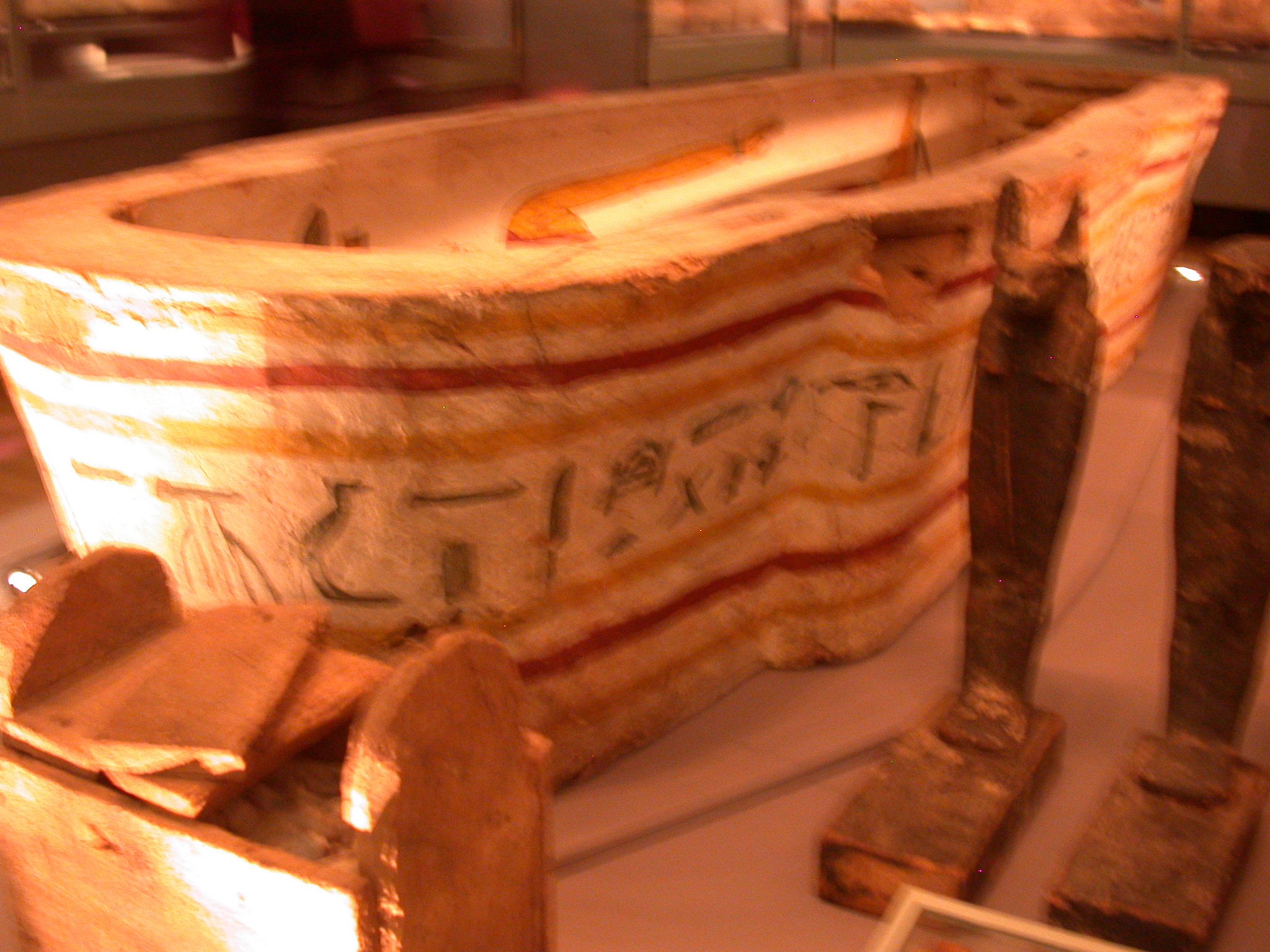
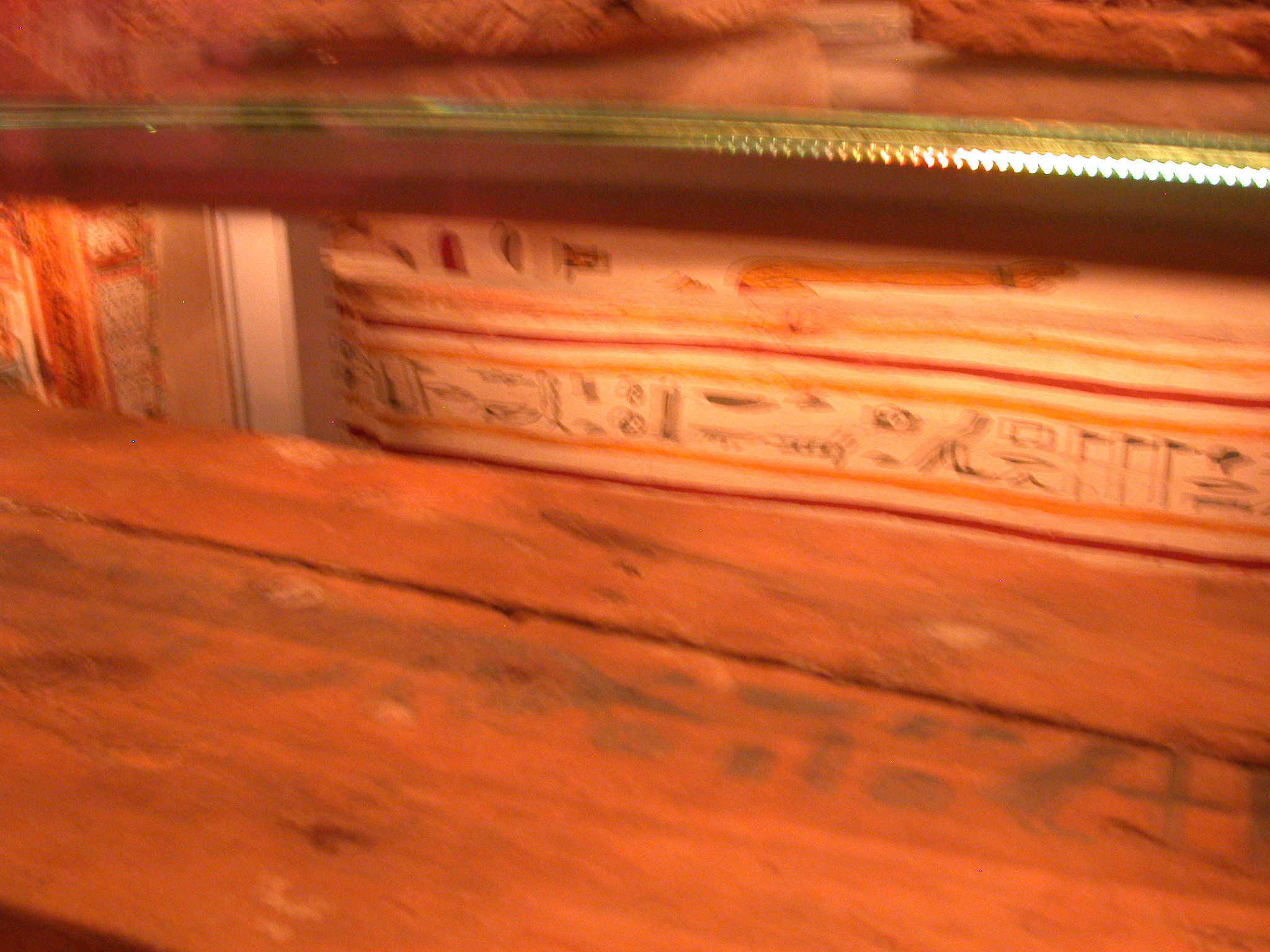
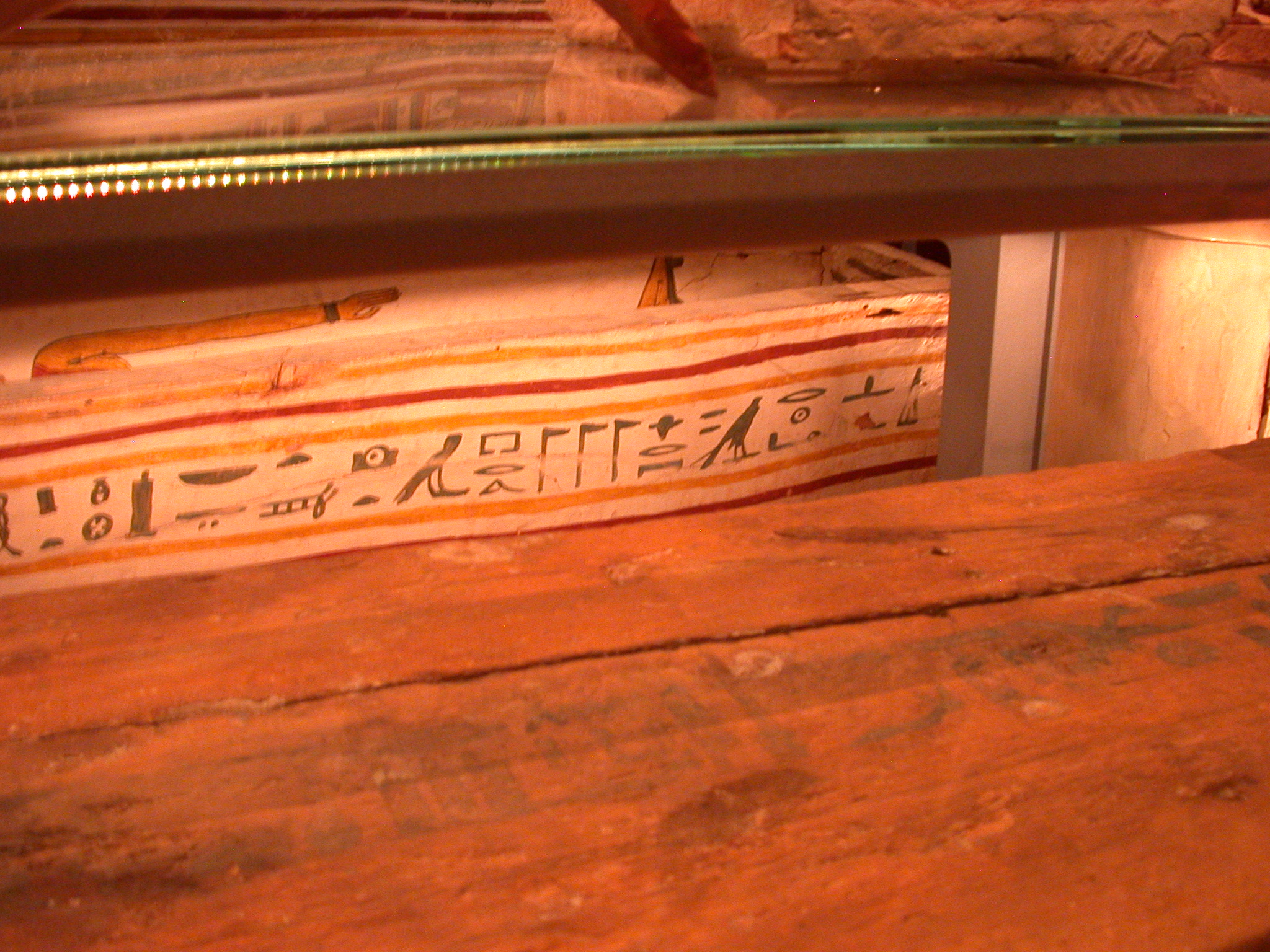
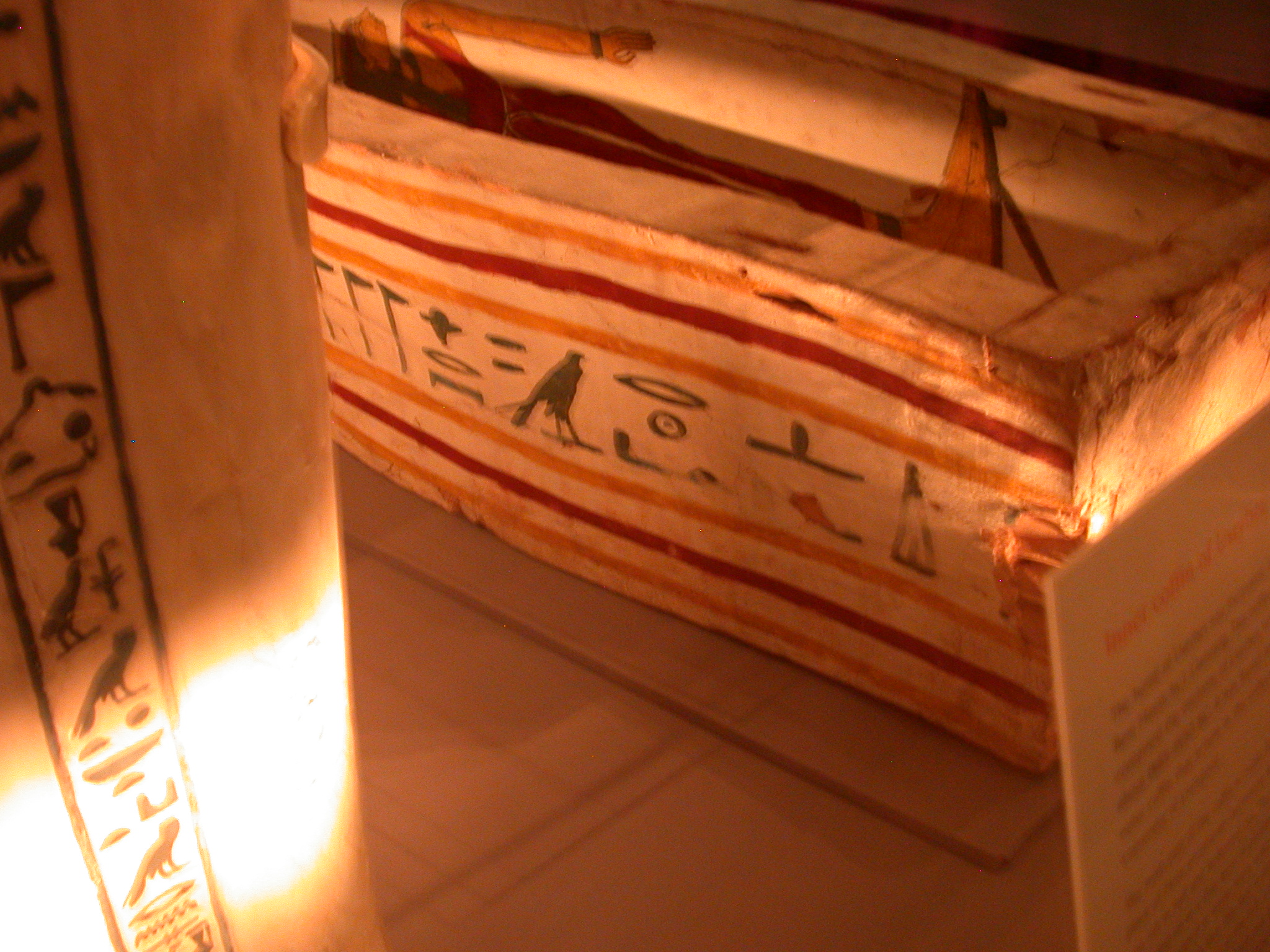
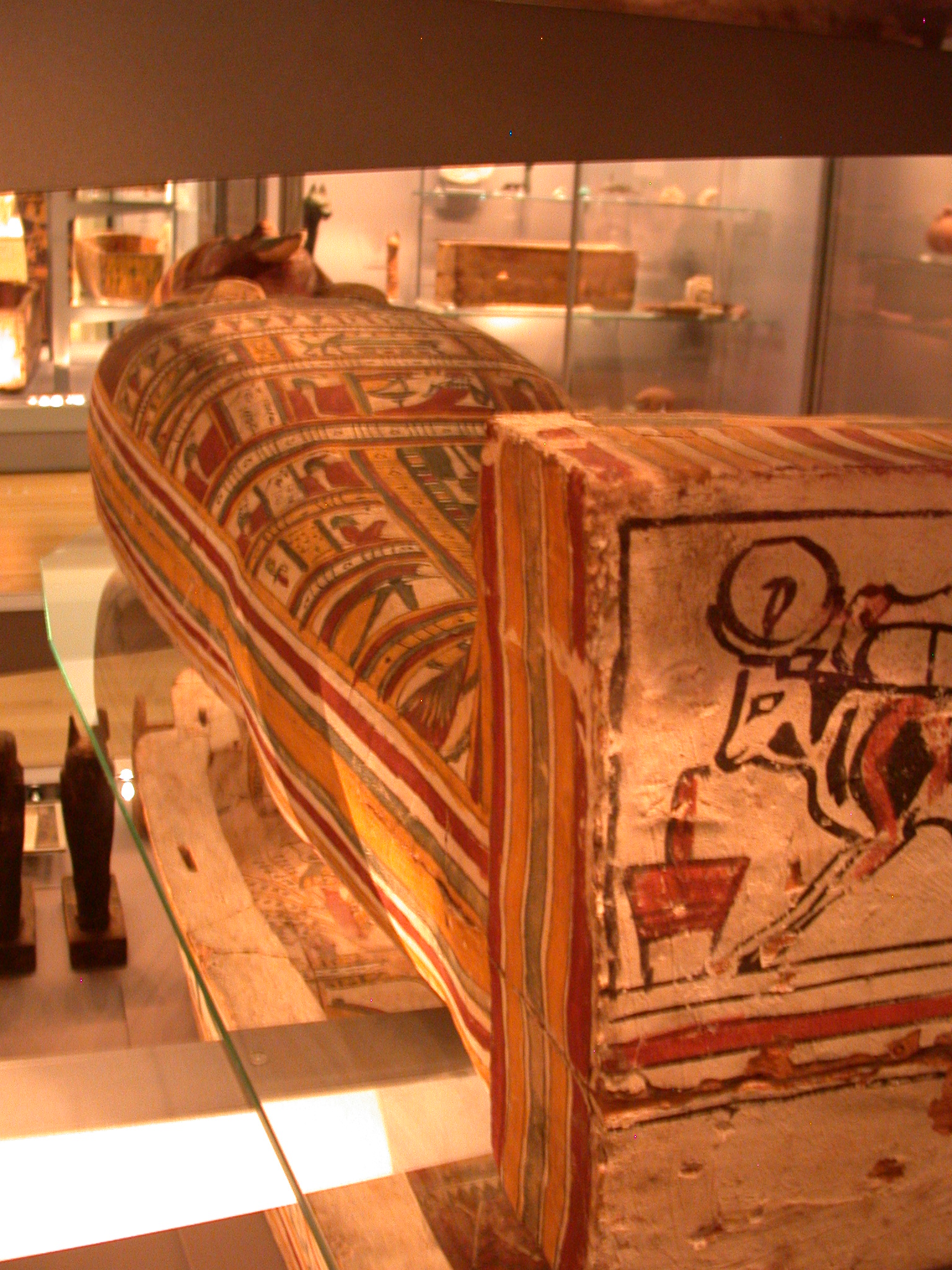
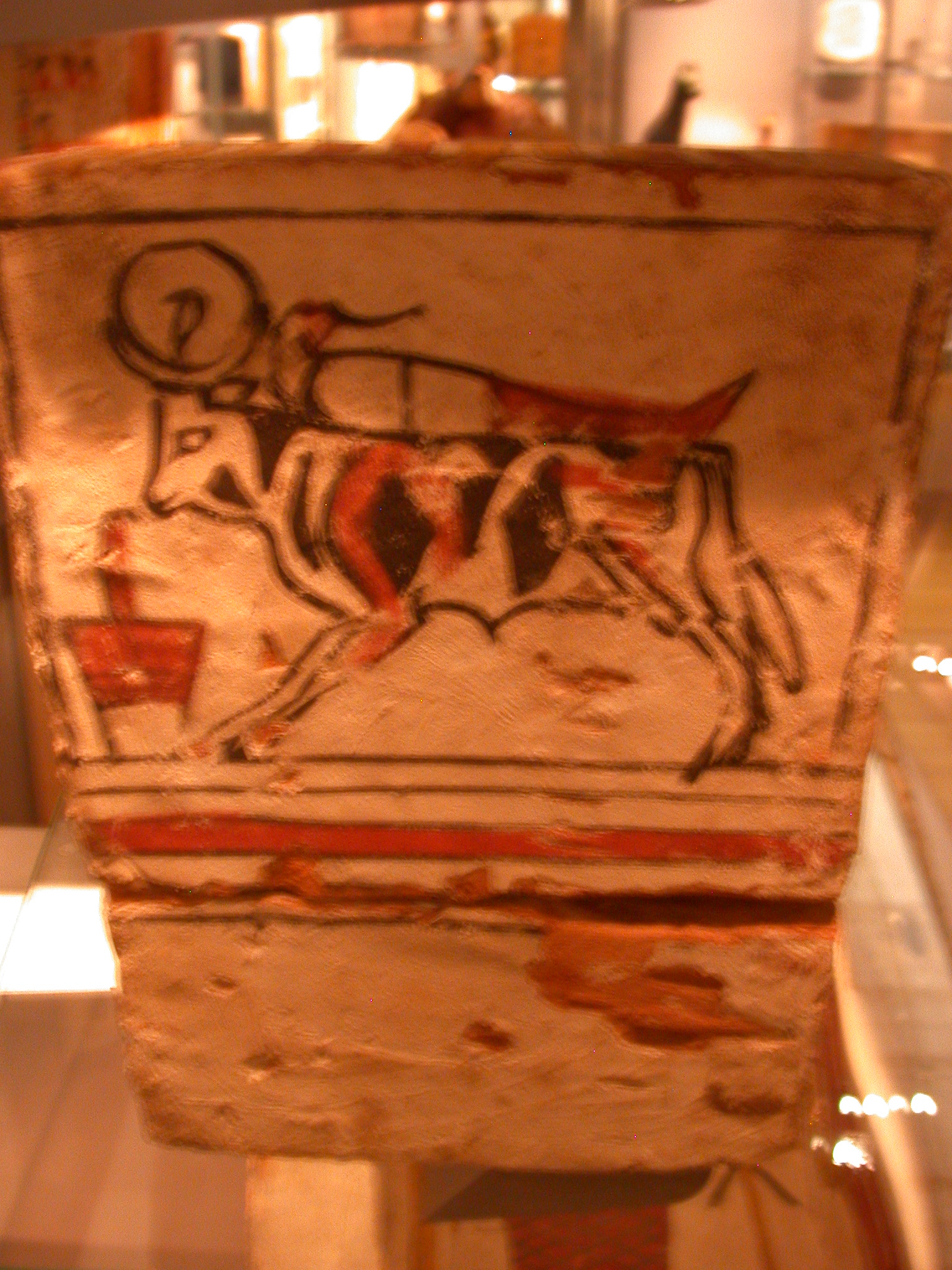
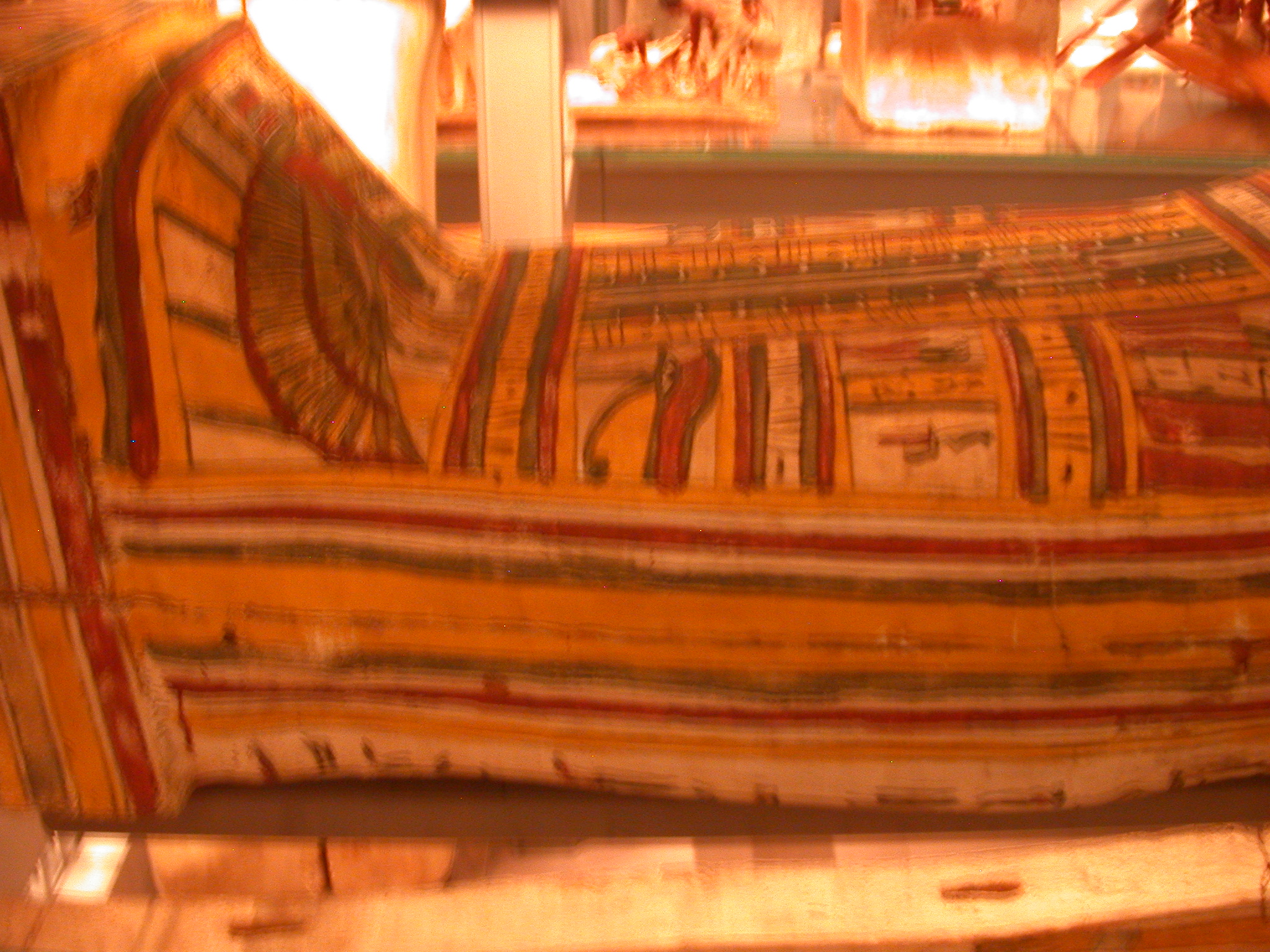
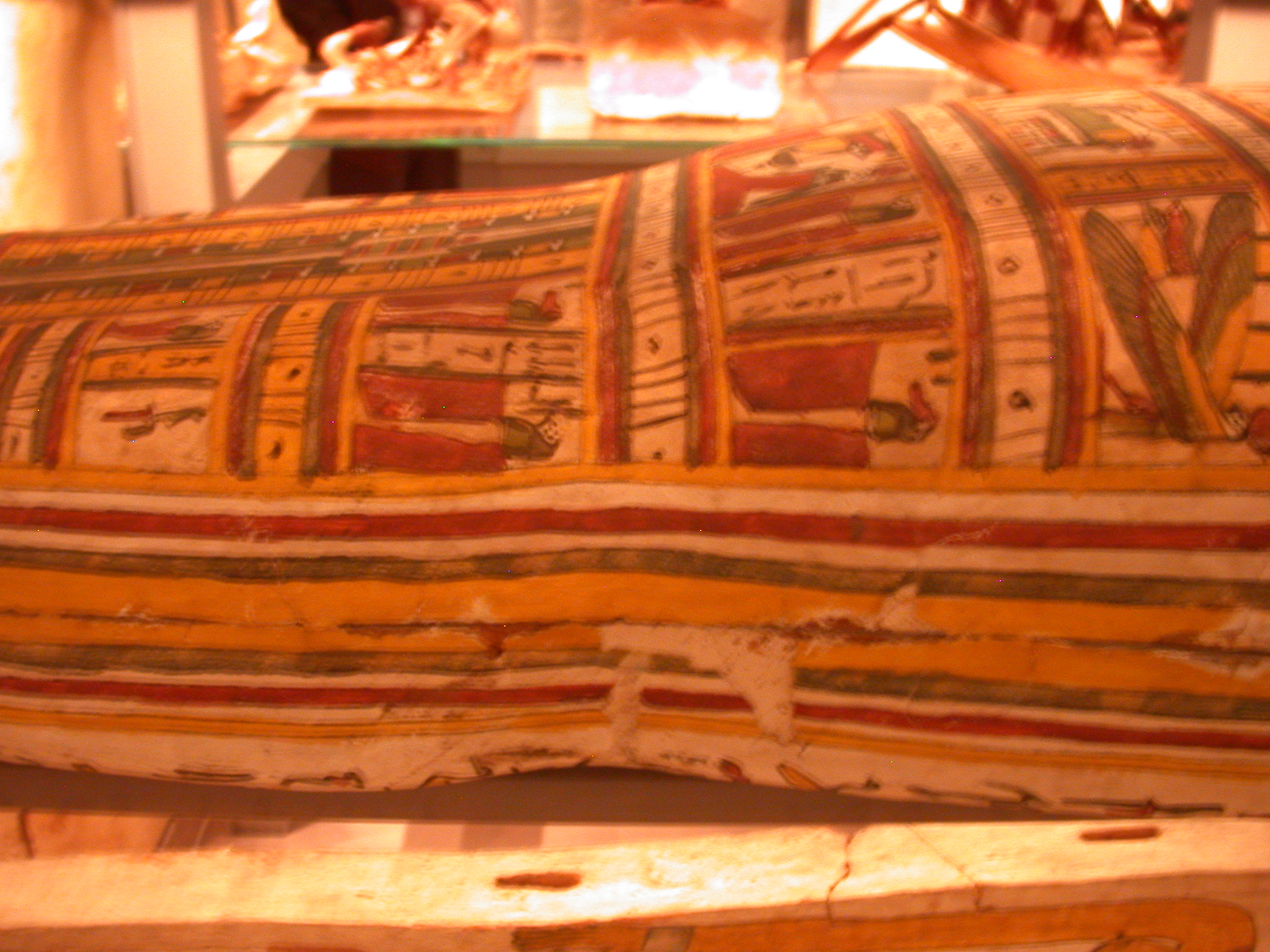
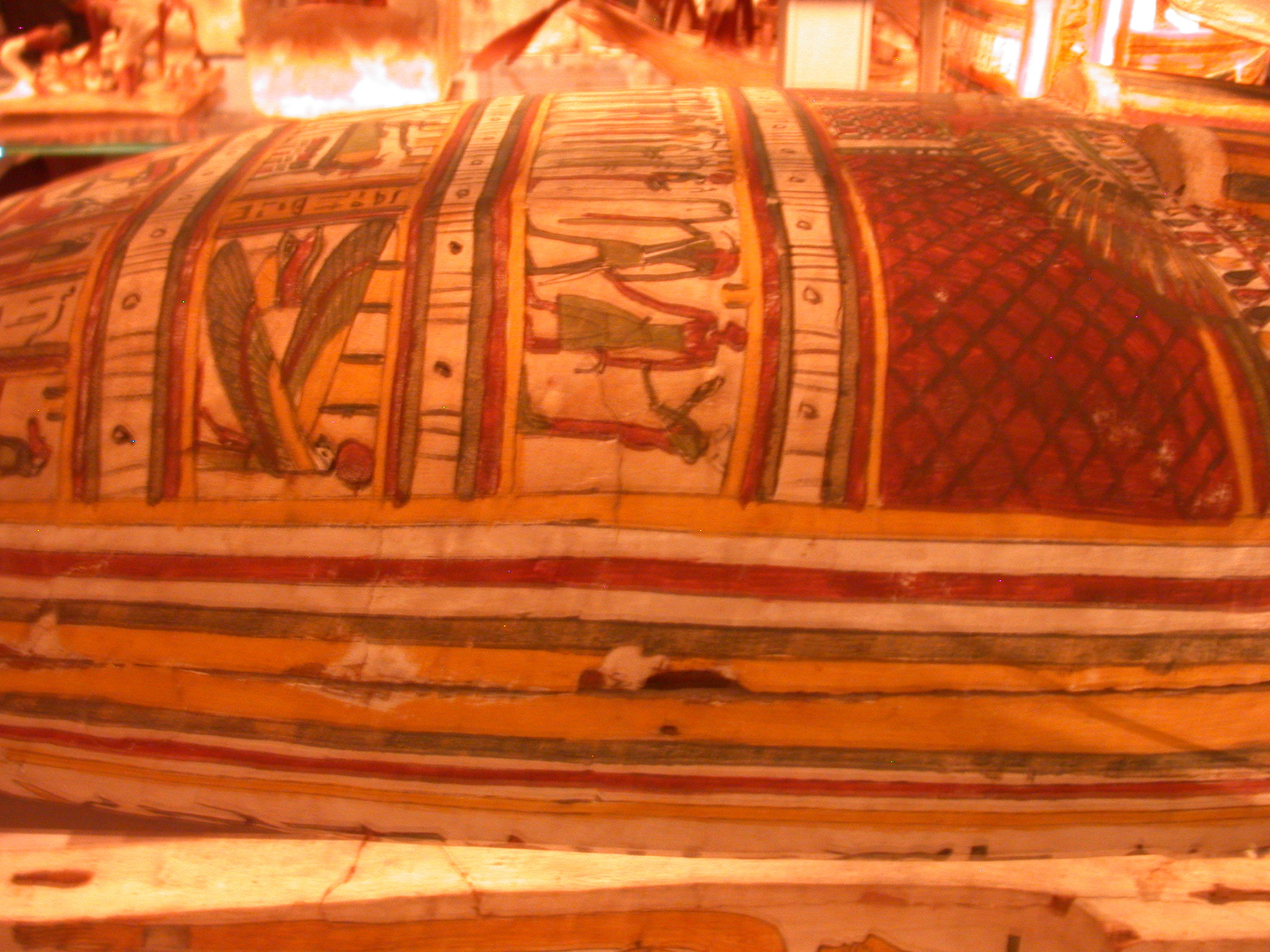
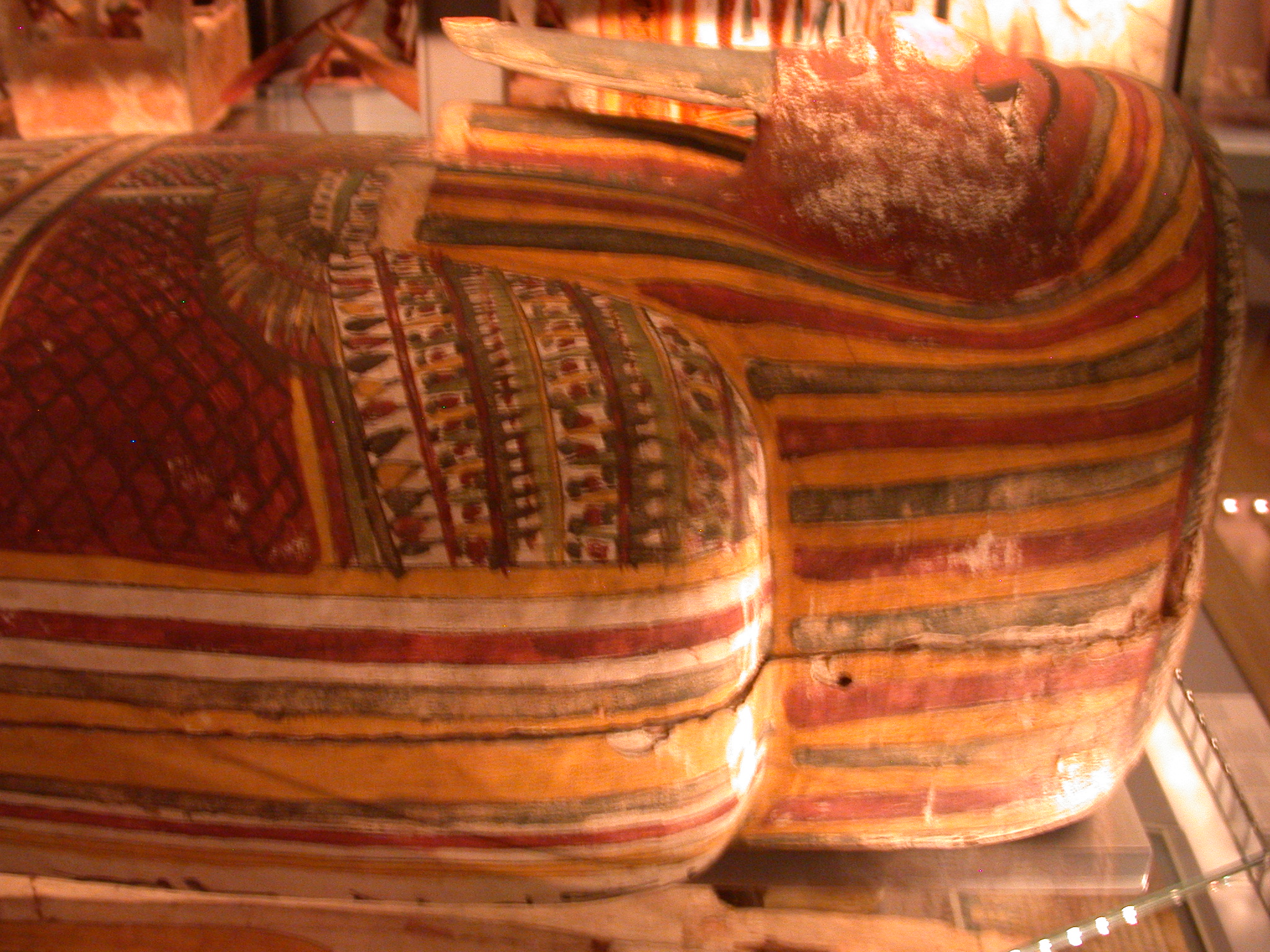
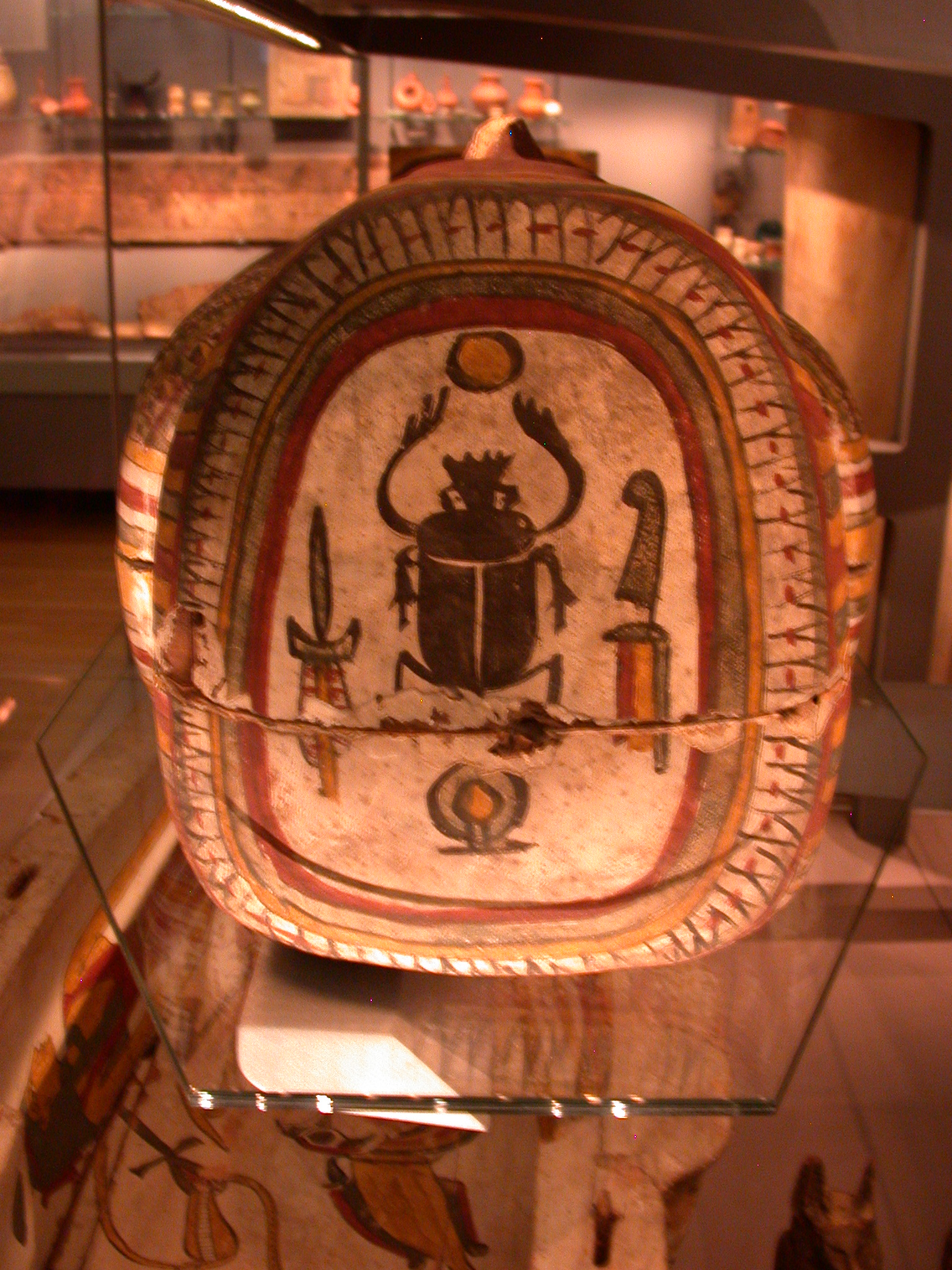
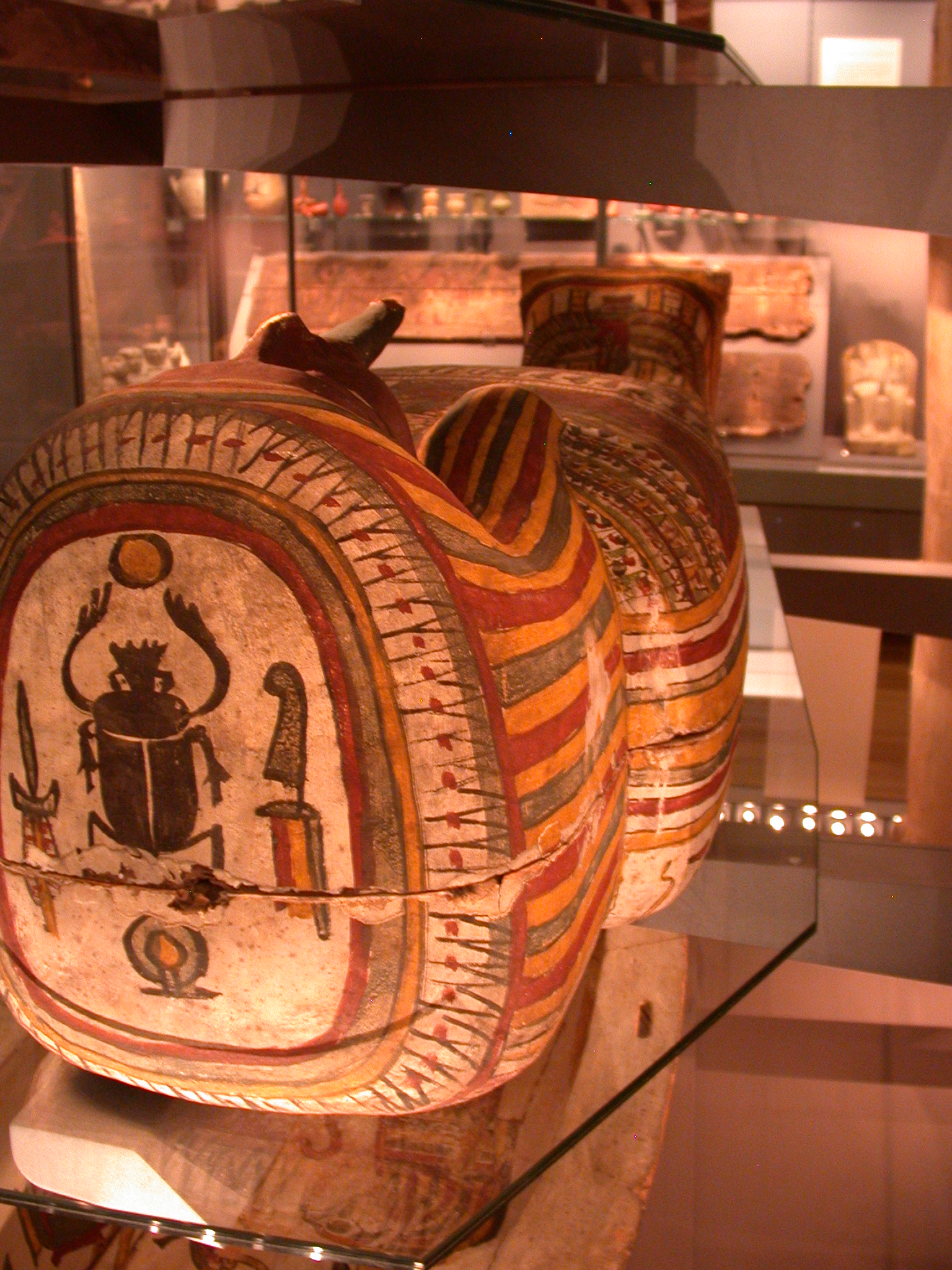
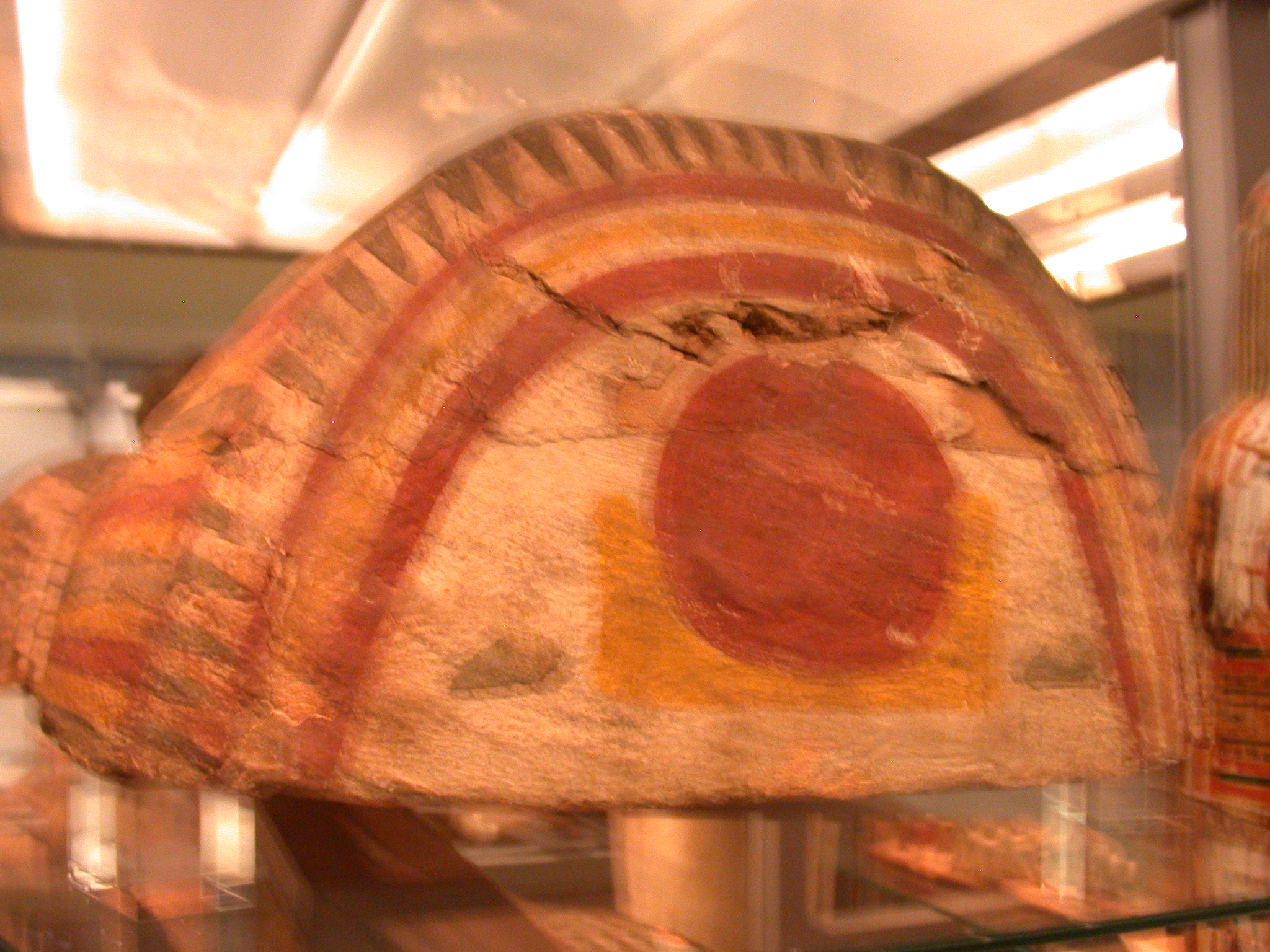
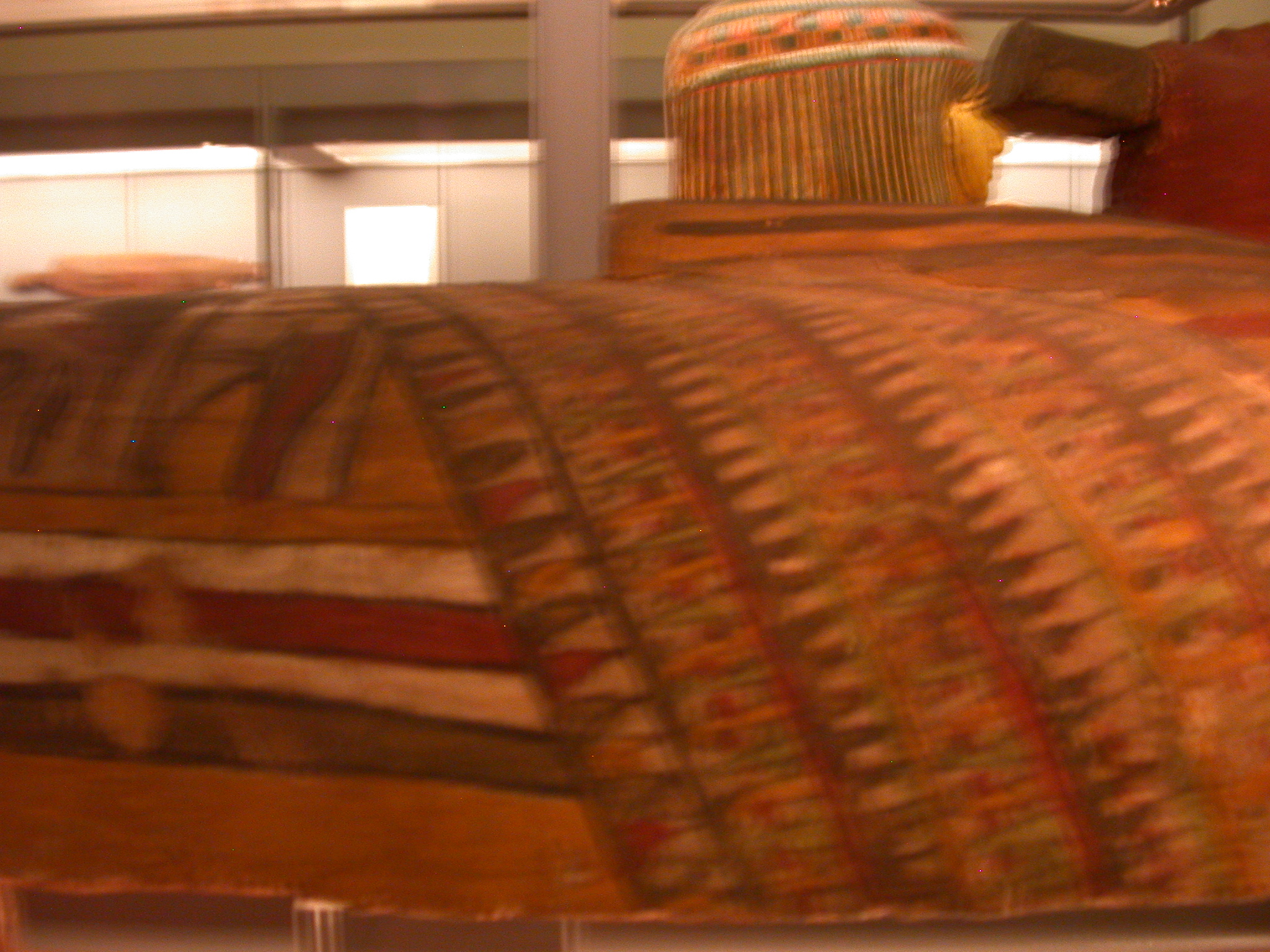
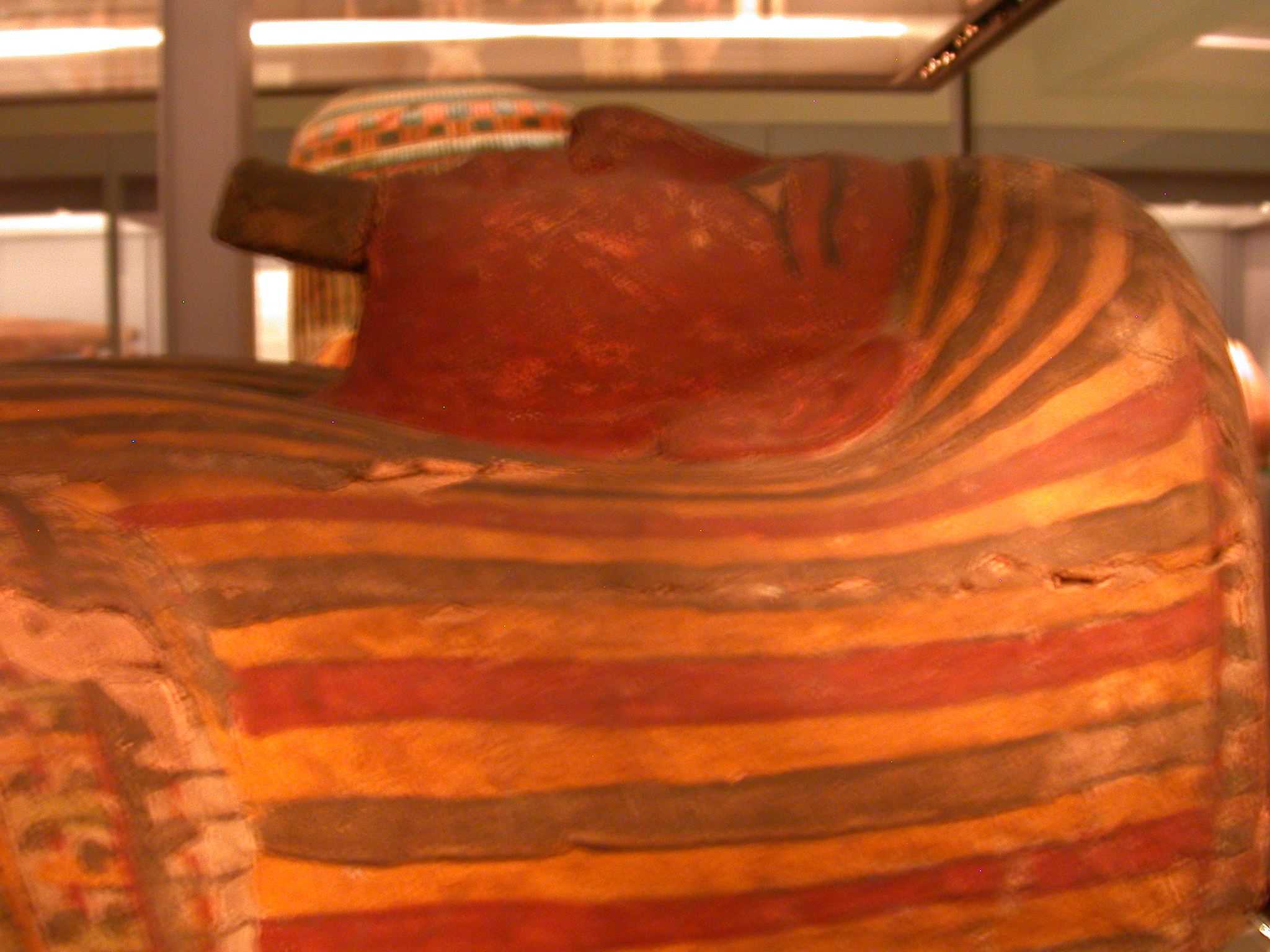
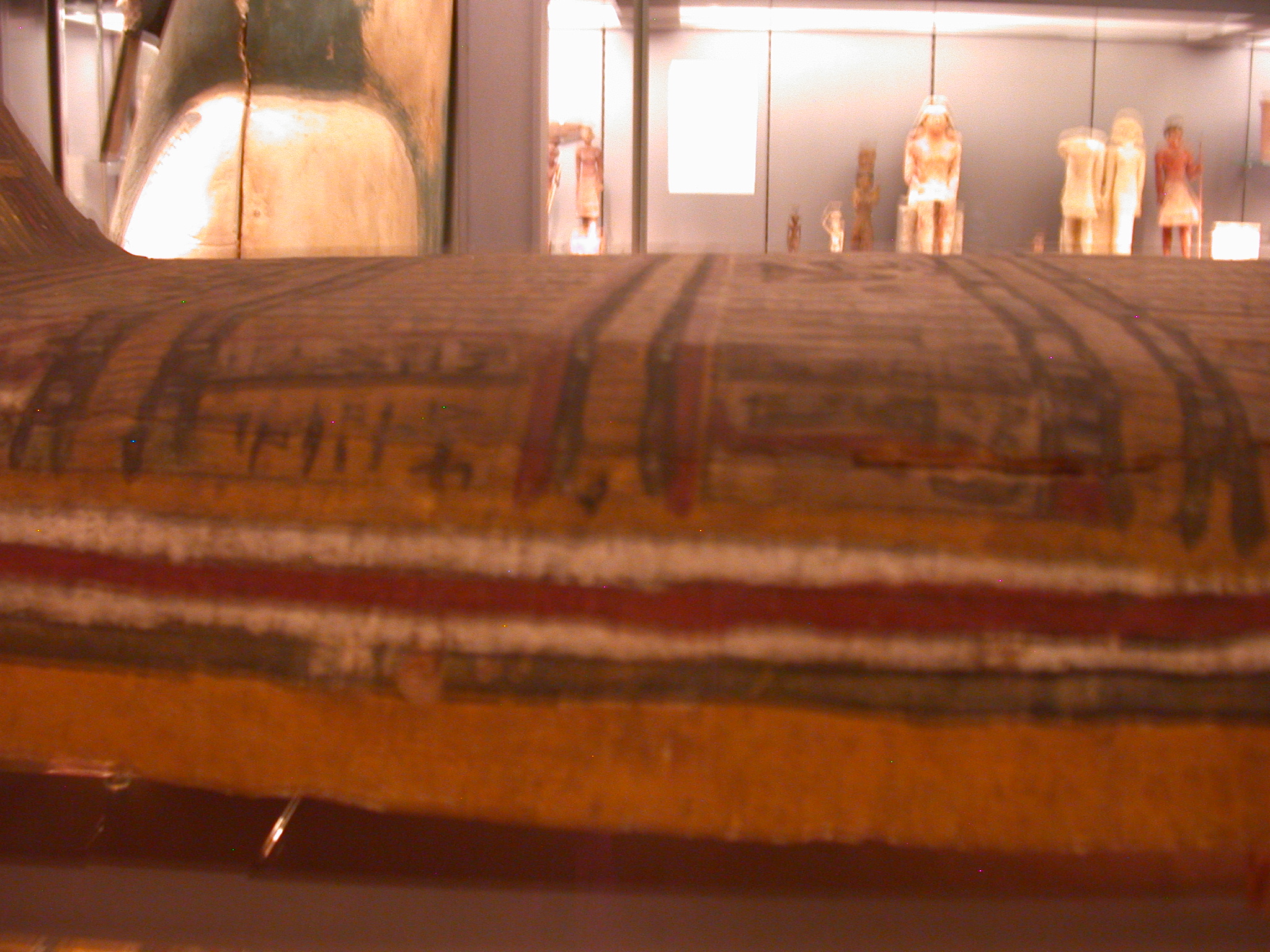
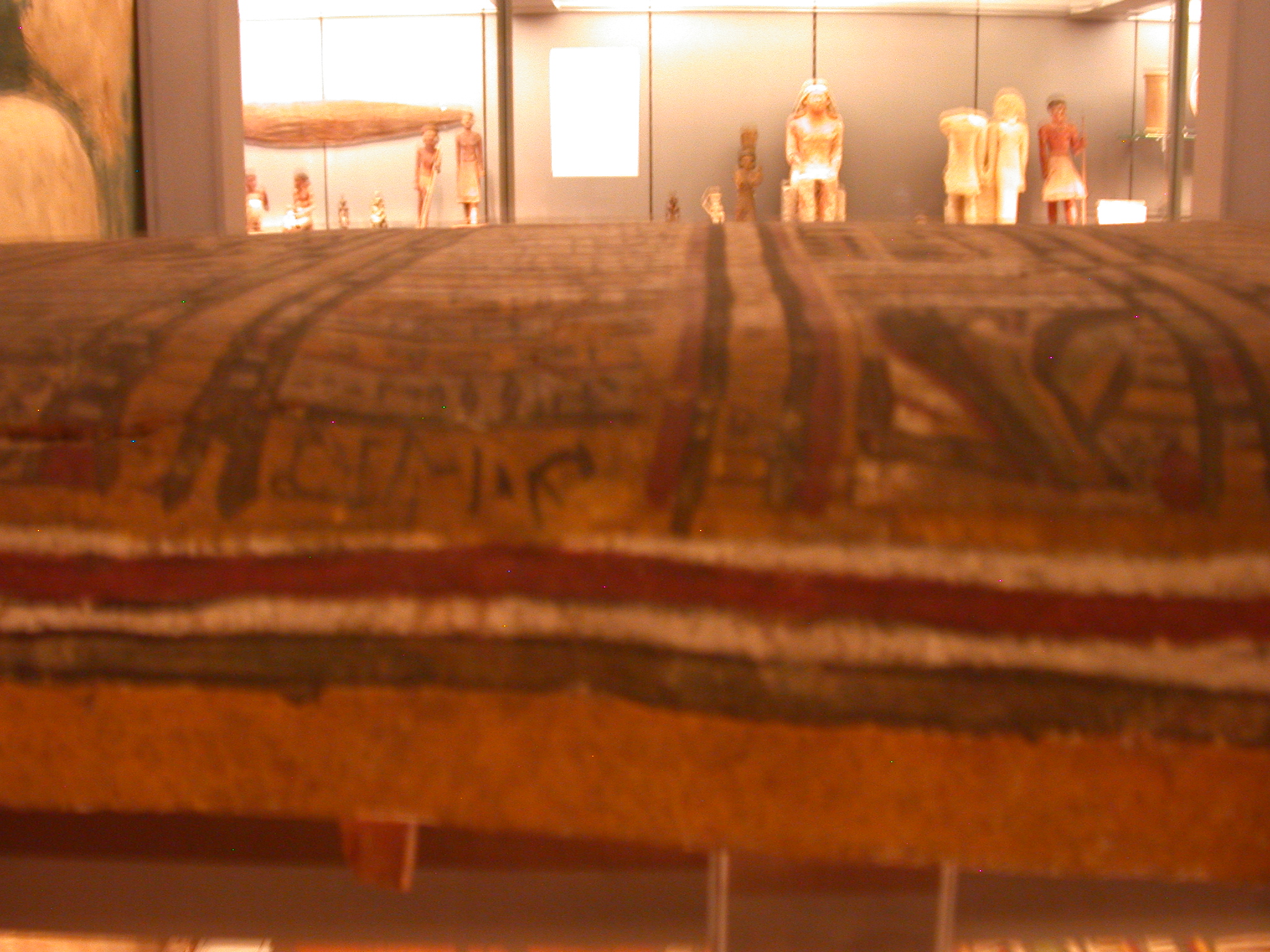
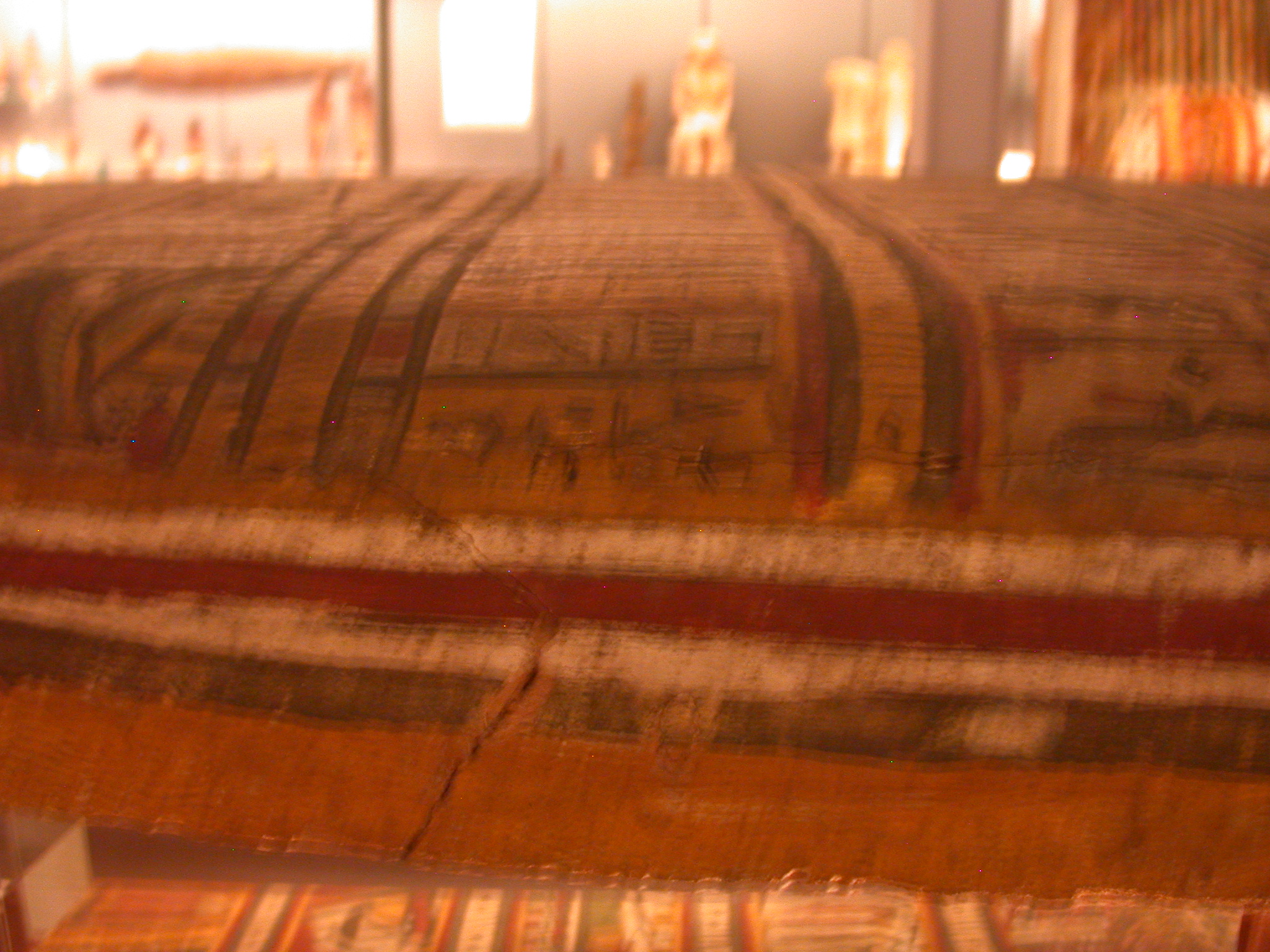
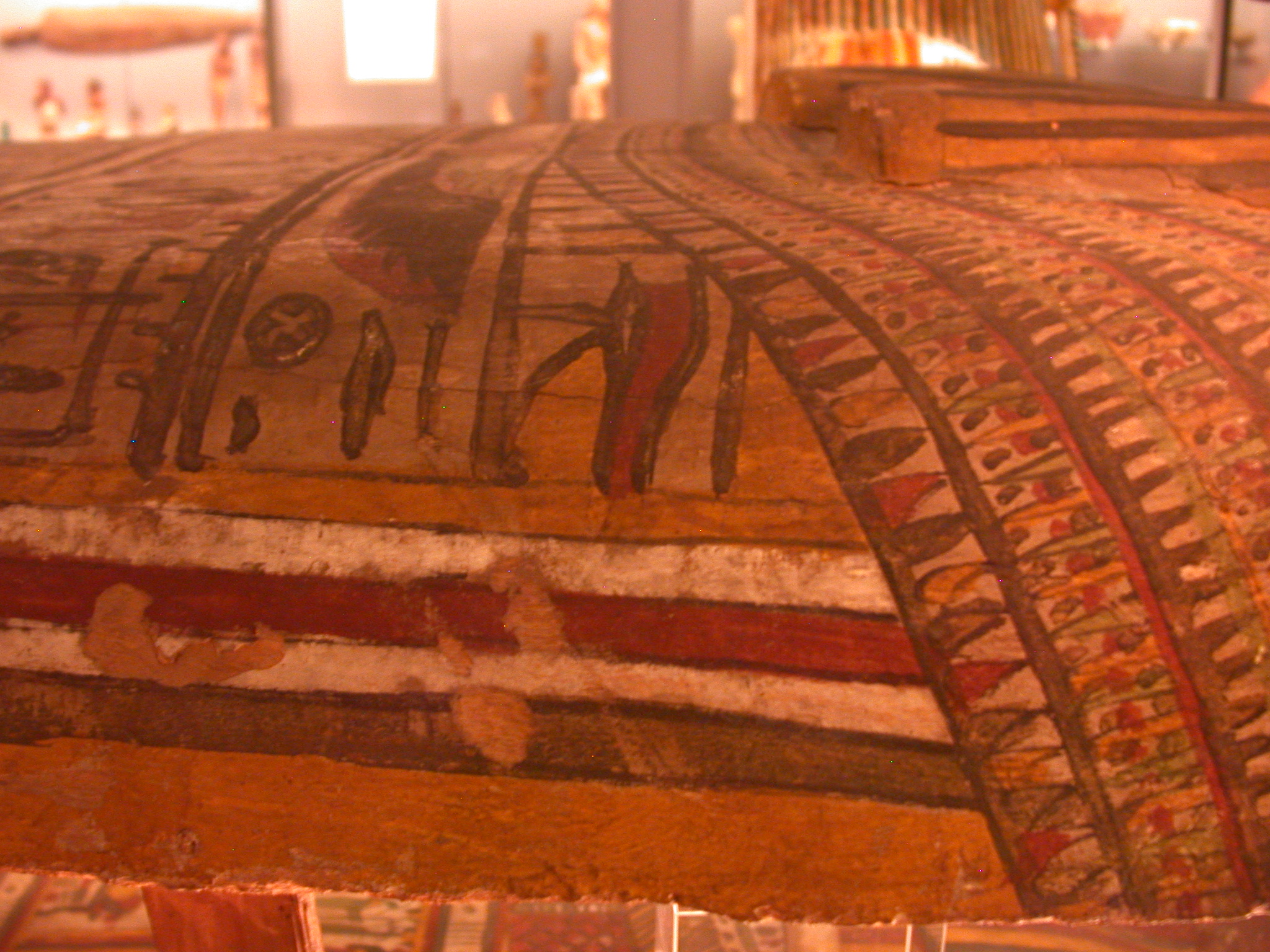
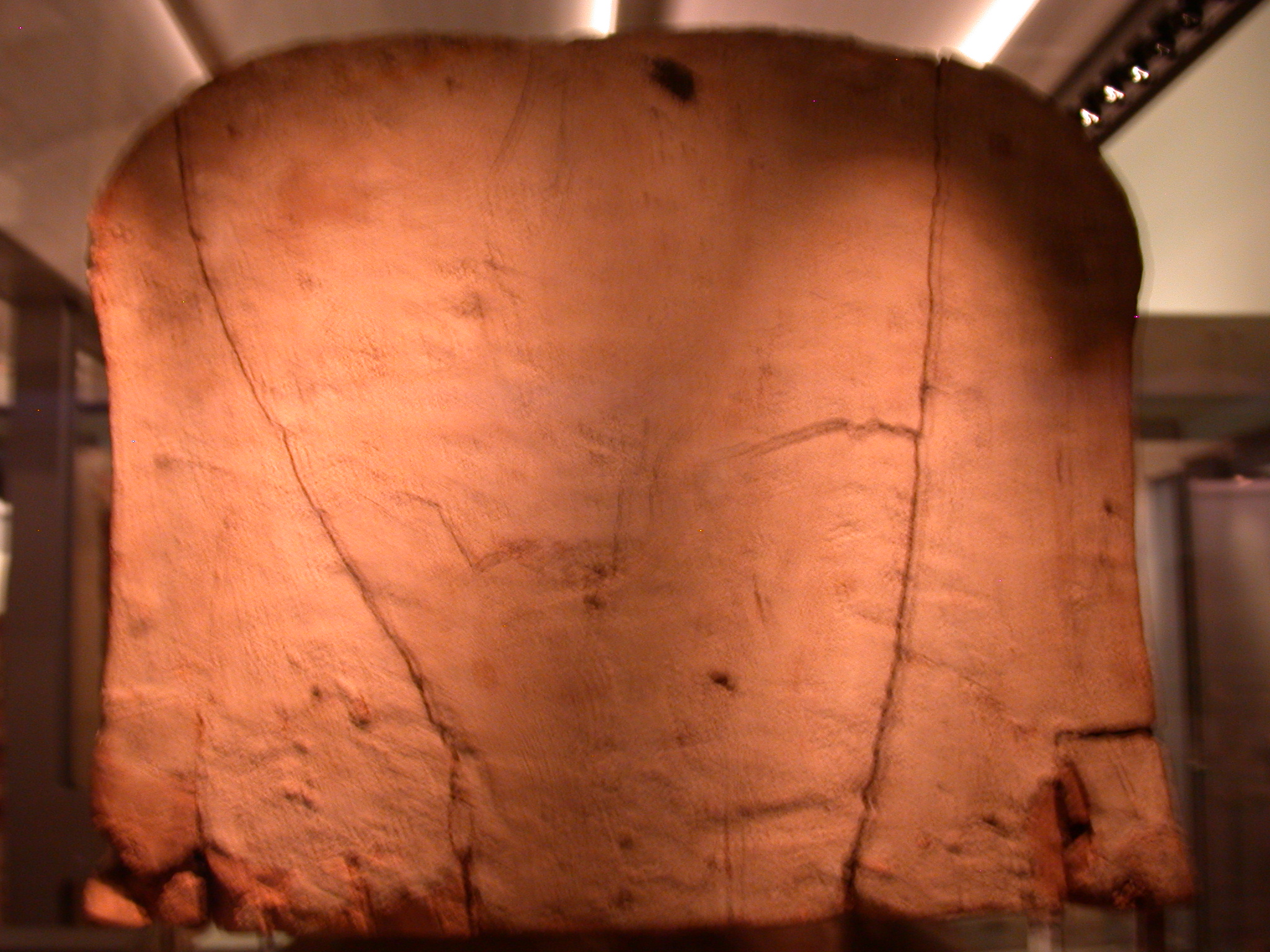
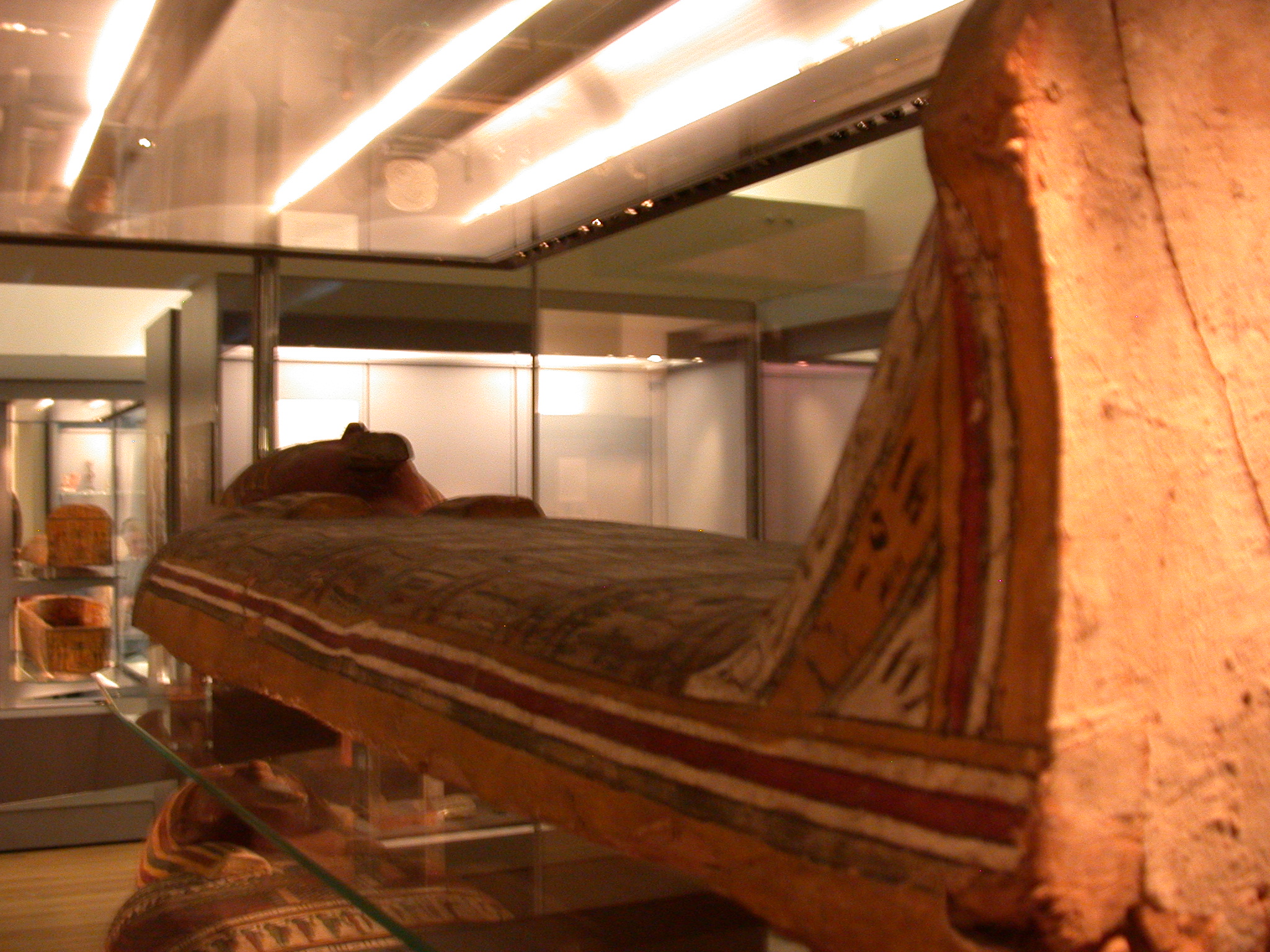
Here is a special feature on Pakepu’s coffins at the Fitzwilliam Museum in Cambridge, England. He was a Water carrier who lived in Western Thebes around 700-650 BCE.

Bottom of Exterior Coffin of Pakepu, Water Carrier, West Bank of Thebes, Egypt, in Fitzwilliam Museum, Cambridge, England Interior of Bottom of Exterior Coffin of Pakepu, Water Carrier, West Bank of Thebes, Egypt, in Fitzwilliam Museum, Cambridge, England Interior of Bottom of Exterior Coffin of Pakepu, Water Carrier, West Bank of Thebes, Egypt, in Fitzwilliam Museum, Cambridge, England

Interior of Bottom of Exterior Coffin of Pakepu, Water Carrier, West Bank of Thebes, Egypt, in Fitzwilliam Museum, Cambridge, England Exterior Bottom of Exterior Coffin of Pakepu, Water Carrier, West Bank of Thebes, Egypt, in Fitzwilliam Museum, Cambridge, England Interior of Bottom of Exterior Coffin of Pakepu, Water Carrier, West Bank of Thebes, Egypt, in Fitzwilliam Museum, Cambridge, England

Hieroglyphs on Bottom of Exterior Coffin of Pakepu, Water Carrier, West Bank of Thebes, Egypt, in Fitzwilliam Museum, Cambridge, England Hieroglyphs on Bottom of Exterior Coffin of Pakepu, Water Carrier, West Bank of Thebes, Egypt, in Fitzwilliam Museum, Cambridge, England Hieroglyphs on Bottom of Exterior Coffin of Pakepu, Water Carrier, West Bank of Thebes, Egypt, in Fitzwilliam Museum, Cambridge, England

Hieroglyphs on Bottom of Exterior Coffin of Pakepu, Water Carrier, West Bank of Thebes, Egypt, in Fitzwilliam Museum, Cambridge, England Hieroglyphs on Bottom of Exterior Coffin of Pakepu, Water Carrier, West Bank of Thebes, Egypt, in Fitzwilliam Museum, Cambridge, England Hieroglyphs on Bottom of Exterior Coffin of Pakepu, Water Carrier, West Bank of Thebes, Egypt, in Fitzwilliam Museum, Cambridge, England

Hieroglyphs on Bottom of Exterior Coffin of Pakepu, Water Carrier, West Bank of Thebes, Egypt, in Fitzwilliam Museum, Cambridge, England Hieroglyphs on Bottom of Exterior Coffin of Pakepu, Water Carrier, West Bank of Thebes, Egypt, in Fitzwilliam Museum, Cambridge, England Hieroglyphs on Bottom of Exterior Coffin of Pakepu, Water Carrier, West Bank of Thebes, Egypt, in Fitzwilliam Museum, Cambridge, England

Hieroglyphs on Bottom of Exterior Coffin of Pakepu, Water Carrier, West Bank of Thebes, Egypt, in Fitzwilliam Museum, Cambridge, England Hieroglyphs on Bottom of Exterior Coffin of Pakepu, Water Carrier, West Bank of Thebes, Egypt, in Fitzwilliam Museum, Cambridge, England

Inner Coffin of Pakepu, Water Carrier, West Bank of Thebes, Egypt, in Fitzwilliam Museum, Cambridge, England Bottom of Inner Coffin of Pakepu, Water Carrier, West Bank of Thebes, Egypt, in Fitzwilliam Museum, Cambridge, England Inner Coffin of Pakepu, Water Carrier, West Bank of Thebes, Egypt, in Fitzwilliam Museum, Cambridge, England

Inner Coffin of Pakepu, Water Carrier, West Bank of Thebes, Egypt, in Fitzwilliam Museum, Cambridge, England Inner Coffin of Pakepu, Water Carrier, West Bank of Thebes, Egypt, in Fitzwilliam Museum, Cambridge, England Inner Coffin of Pakepu, Water Carrier, West Bank of Thebes, Egypt, in Fitzwilliam Museum, Cambridge, England

Inner Coffin of Pakepu, Water Carrier, West Bank of Thebes, Egypt, in Fitzwilliam Museum, Cambridge, England Base of Inner Coffin of Pakepu, Water Carrier, West Bank of Thebes, Egypt, in Fitzwilliam Museum, Cambridge, England Base of Inner Coffin of Pakepu, Water Carrier, West Bank of Thebes, Egypt, in Fitzwilliam Museum, Cambridge, England

Top of Exterior Coffin of Pakepu, Water Carrier, West Bank of Thebes, Egypt, in Fitzwilliam Museum, Cambridge, England

Top of Exterior Coffin of Pakepu, Water Carrier, West Bank of Thebes, Egypt, in Fitzwilliam Museum, Cambridge, England Top of Exterior Coffin of Pakepu, Water Carrier, West Bank of Thebes, Egypt, in Fitzwilliam Museum, Cambridge, England Top of Exterior Coffin of Pakepu, Water Carrier, West Bank of Thebes, Egypt, in Fitzwilliam Museum, Cambridge, England

Top of Exterior Coffin of Pakepu, Water Carrier, West Bank of Thebes, Egypt, in Fitzwilliam Museum, Cambridge, England Top of Exterior Coffin of Pakepu, Water Carrier, West Bank of Thebes, Egypt, in Fitzwilliam Museum, Cambridge, England Top of Exterior Coffin of Pakepu, Water Carrier, West Bank of Thebes, Egypt, in Fitzwilliam Museum, Cambridge, England

Top of Exterior Coffin of Pakepu, Water Carrier, West Bank of Thebes, Egypt, in Fitzwilliam Museum, Cambridge, England Top of Exterior Coffin of Pakepu, Water Carrier, West Bank of Thebes, Egypt, in Fitzwilliam Museum, Cambridge, England Base of Top of Exterior Coffin of Pakepu, Water Carrier, West Bank of Thebes, Egypt, in Fitzwilliam Museum, Cambridge, England

Top of Exterior Coffin of Pakepu, Water Carrier, West Bank of Thebes, Egypt, in Fitzwilliam Museum, Cambridge, England

Fitzwilliam Museum in Cambridge and Back to London

Friday, June 13th, 2008

Written on June 13, 2008, at Eat and Two Veg Restaurant, London, United Kingdom

This morning, I had to go to Cambridge and Sarah was off to Kent, so we said our goodbyes. I caught the train to Cambridge and met a nice woman named Emily Esche on the way. She is studying archaeology and is particularly interested in studying human remains. So, we could talk shop. She later sent me an email with great advice for sites around Stonehenge.

When I got off the train at Cambridge, I was stunned by the number of bikes parked outside the station (the pic shows less than a quarter of the bikes).

Bike Parking, Train Station, Cambridge, England Fitzwilliam Museum, Cambridge, England

I walked to the Fitzwilliam Museum and, since the museum’s 25th dynasty expert is on leaving writing her thesis, I met with a fellow named Anders Bell, who showed me an Assyrian artifact from the museum’s store (i.e. storage area) then directed me to the ancient Sudan gallery and three ancient Egyptian galleries, excellent for research purposes.

Assyrian Artifact, Contemporary With 25th Dynasty Egypt, Fitzwilliam Museum, Cambridge, England Nubian Fertility Figurine, Copper Alloy, 25th Dynasty Sudan, Fitzwilliam Museum, Cambridge, Englad Nubian Bust of Female, Copper Alloy, 25th Dynasty Sudan, Fitzwilliam Museum, Cambridge, England

Faience Beads With Cartouches of Rulers, 25th Dynasty Sudan, Fitzwilliam Museum, Cambridge, England Faience Beads With Cartouches of Rulers, 25th Dynasty Sudan, Fitzwilliam Museum, Cambridge, England Pottery Vessels, Sanam, 25th Dynasty Sudan, Fitzwilliam Museum, Cambridge, England
Alabaster Vessels, Sanam, 25th Dynasty Sudan, Fitzwilliam Museum, Cambridge, England Faience Amulets in the Form of Wedjat Eyes, a Hand, a Sistrum, Hathor and Bes Figures, 25th Dynasty Sudan, Fitzwilliam Museum, Cambridge, England Glass, Faience, and Paste Necklaces, 25th Dynasty Sudan, Fitzwilliam Museum, Cambridge, England
Mirror, Copper Alloy, Sanam, 25th Dynasty Sudan, Fitzwilliam Museum, Cambridge, England Faience and Steatite Necklaces With Traditional Egyptian Amulets, Sanam, 25th Dynasty Sudan, Fitzwilliam Museum, Cambridge, England Pottery Vessel and Scarabs, Sanam, 25th Dynasty Sudan, Fitzwilliam Museum, Cambridge, England

Scarabs, Sanam, 25th Dynasty Sudan, Fitzwilliam Museum, Cambridge, England Copper Alloy Figure of Metal Worker and Wood Cubit Rod, Late Period From 746-336 BCE, Fitzwilliam Museum, Cambridge, England Wood Ptah-Sokar-Osiris Box Containing Papyrus Scroll, Late Period, 746-336 BCE, Egypt, Fitzwilliam Museum, Cambridge, England

Wood Ptah-Sokar-Osiris Box Containing Papyrus Scroll, Late Period, 746-336 BCE, Egypt, Fitzwilliam Museum, Cambridge, England Wood Ptah-Sokar-Osiris Box Containing Papyrus Scroll, Late Period, 746-336 BCE, Egypt, Fitzwilliam Museum, Cambridge, England Wood Ptah-Sokar-Osiris Box Containing Papyrus Scroll, Late Period, 746-336 BCE, Egypt, Fitzwilliam Museum, Cambridge, England

Fish on a Sledge, Probably Part of Coffin for Mummified Fish, Copper Alloy, Late Period, 746-336 BCE, Egypt, Fitzwilliam Museum, Cambridge, England

Faience Figure of Shu, God of Sunlight and Air, Late Period, 746-336 BCE, Egypt, Fitzwilliam Museum, Cambridge, England Painted Wood Stela of Woman Offering to Re-Harakhty, Sun God of the Underworld, 22nd Dynasty Egypt, at Fitzwilliam Museum, Cambridge, England Amun Figure, Copper Alloy, Late Period, 746-336 BCE, Egypt, at Fitzwilliam Museum, Cambridge, England

Rams Head Fitting, Probably Amun, Copper Alloy, Late Period, 746-336 BCE, Egypt, at Fitzwilliam Museum, Cambridge, England Prow for a Sacred Boat, Copper Alloy, Late Period, 746-336 BCE, Egypt, in Fitzwilliam Museum, Cambridge, England Ithyphallic Amun Min Figure, Copper Alloy, Late Period, 746-336 BCE, Egypt, in Fitzwilliam Museum, Cambridge, England

Bes FIgure, God Who Protected Pregnant Women and Children, Painted Plaster and Wood,  New Kingdom Egypt, in Fitzwilliam Museum, Cambridge, England Tawaret Figure, Goddess Protecting Women During Childbirth, Diorite, Late Period, 746-336 BCE, Egypt, in Fitzwilliam Museum, Cambridge, England Neith Statue, Goddess of Sais Associated With Warfare, Late Period, 746-336 BCE, Egypt, in Fitzwilliam Museum, Cambridge, England

Kneeling Priest Figure, Copper Alloy, Late Period, 746-336 BCE, Egypt, in Fitzwilliam Museum, Cambridge, England Sekhmet Figure, Copper Alloy, Late Period, 746-336 BCE, Egypt, in Fitzwilliam Museum, Cambridge, England Kneeling Man Figure Holding Osiris Shrine, Serpentine, Late Period, 746-336 BCE, Egypt, in Fitzwilliam Museum, Cambridge, England

Osiris Figure, God of Underworld, Copper Alloy, Late Period, 746-336 BCE, Egypt, in Fitzwilliam Museum, Cambridge, England Figure of Woman and Bes, God Protecting Pregnant Women and Children, Copper Alloy,  Late Period, 746-525 BCE, Egypt, in Fitzwilliam Museum, Cambridge, England Uraeus Cobra, Painted Wood Attachments, Late Period, 746-332 BCE, Egypt, in Fitzwilliam Museum, Cambridge, England

Ear Stela, Limestone, Probably Dynasty 18 Temple of Hatshepsut, Found at Montuhotep Temple, Deir el Bahri, Egypt, in Fitzwilliam Museum, Cambridge, England Phallic Fertility Figures, Wood, New Kingdom, 1550-1070 BCE, Montuhotep Temple, Deir el Bahri, Egypt, in Fitzwilliam Museum, Cambridge, England Fertility Figures, Clay, New Kingdom, 1550-1070 BCE, Egypt, in Fitzwilliam Museum, Cambridge, England

Statue of Priest Holding Large Sistrum in Form of Hathor, Granite, Late Period, 746-336 BCE, Mendes, Egypt, in Fitzwilliam Museum, Cambridge, England Statue of Priest Holding Large Sistrum in Form of Hathor, Granite, Late Period, 746-336 BCE, Mendes, Egypt, in Fitzwilliam Museum, Cambridge, England Statue of Priest Holding Large Sistrum in Form of Hathor, Granite, Late Period, 746-336 BCE, Mendes, Egypt, in Fitzwilliam Museum, Cambridge, England

Statue of Priest Holding Large Sistrum in Form of Hathor, Granite, Late Period, 746-336 BCE, Mendes, Egypt, in Fitzwilliam Museum, Cambridge, England Statue of Priest Holding Large Sistrum in Form of Hathor, Granite, Late Period, 746-336 BCE, Mendes, Egypt, in Fitzwilliam Museum, Cambridge, England Statue of Priest Holding Large Sistrum in Form of Hathor, Granite, Late Period, 746-336 BCE, Mendes, Egypt, in Fitzwilliam Museum, Cambridge, England

Relief of Amenirdas, Sister of Shabaka, or Shepenwepet, Divine Consort Making Offering, Sandstone, 25th Dynasty, 715-700 BCE, Amenirdas Chapel, Medinat Habu, Egypt, at Fitzwilliam Museum, Cambridge, England Amenirdas Cartouche, Faience, 25th Dynasty, 746-664 BCE, Egypt, in Fitzwilliam Museum, Cambridge, England Amun Relief, Originally Inlaid, Copper Alloy, 25th Dynasty, 746-664 BCE, Saqqara, Egypt, in Fitzwilliam Museum, Cambridge, England

Vessel With Marsh Scene and Nubian Identified by Short Wig, 25th Dynasty, 746-664 BCE, Egypt, in Fitzwilliam Museum, Cambridge, England Nubian Woman, Limestone Sculpture, 25th Dynasty, 746-664 BCE, Egypt, in Fitzwilliam Museum, Cambridge, England Figurine of Woman Holding Statue of Young Horus, Copper Alloy, 25th Dynasty, 746-664 BCE, Egypt, in Fitzwilliam Museum, Cambridge, England

Figurine of Naked Woman With Crown, Probably of Fertility Priestess, 25th Dynasty, 746-664 BCE, Egypt, in Fitzwilliam Museum, Cambridge, England Shabti of Taharqa, Calcite, 25th Dynasty, 690-664 BCE, Egypt, in Fitzwilliam Museum, Cambridge, England Funerary Cone for Taharqa, Clay, 25th Dynasty, 690-664 BCE, Egypt, in Fitzwilliam Museum, Cambridge, England

Figurine Probably of Taharqa, Copper Alloy, 25th Dynasty, Probably 690-664 BCE, Egypt, in Fitzwilliam Museum, Cambridge, England Figurine of Taharqa, Copper Alloy, 25th Dynasty, 690-664 BCE, Egypt, in Fitzwilliam Museum, Cambridge, England Detail of Figurine of Taharqa, Copper Alloy, 25th Dynasty, 690-664 BCE, Egypt, in Fitzwilliam Museum, Cambridge, England

Archaized Relief of Sem Priest Looking After the Deceased, Limestone, 25th Dynasty, 746-664 BCE, Egypt, in Fitzwilliam Museum, Cambridge, England Archaized Portrait of Ruler, Basalt Statue, 25th or 26th Dynasty, 746-525 BCE, Egypt, in Fitzwilliam Museum, Cambridge, England Archaized Painted Head, Limestone, Late Period, 746-525 BCE, Egypt, in Fitzwilliam Museum, Cambridge, England

Archaized Relief, Limestone, Late Period, 746-525 BCE, Egypt, in Fitzwilliam Museum, Cambridge, England Ring With Cartouche of Smendes, Copper Alloy, 21st Dynasty, 1070-1044 BCE, Egypt, Fitzwilliam Museum, Cambridge, England Statuette Inscribed With Name of Sheshonq V, Glassy Frit, 774-736 BCE, Saqqara, Egypt, in Fitzwilliam Museum, Cambridge, England

Statuette of Boy Prince or Harpocrates, Limestone, Second Century BCE, Egypt, in Fitzwilliam Museum, Cambridge, England Bes As Fountain, Marble, About 117-250 CE, Rome, in Fitzwilliam Museum, Cambridge, England Ape Clinging to Cartouche Dish, Faience, Late Period, 746-336 BCE, Egypt, in Fitzwilliam Museum, Cambridge, England

Color Palette Inscribed With Name of Ihy, Overseer of Recruits for the Palace, Slate, 5th Dynasty, 2504-2347 BCE, Egypt, in Fitzwilliam Museum, Cambridge, England Figure of Man, Limestone, About 3500-3000 BCE, Egypt, in Fitzwilliam Museum, Cambridge, England Bes Furniture Fittings, of Ebony, Wood and Ivory, New Kingdom, 1550-1070 BCE, Egypt, in Fitzwilliam Museum, Cambridge, England

Locust Figure, Copper Alloy, Late Period, 746-332 BCE, Egypt, in Fitzwilliam Museum, Cambridge, England Magic Knives to Offer Protection, Ivory, 13th Dynasty, 1794-1648 BCE, Egypt, in Fitzwilliam Museum, Cambridge, England Cobra Wand Found With Magical Texts and Implements in Tomb 5 Under the Ramesseum, Copper Alloy, Middle Kingdom, 2119-1794 BCE, Thebes, Egypt, in Fitzwilliam Museum, Cambridge, England

Ibis Wand, Wood, New Kingdom, 1550-1070 BCE, Egypt, in Fitzwilliam Museum, Cambridge, England Staff Terminals Decorated With Bull and Lotus Motif, Staffs Missing, Copper Alloy, Egypt, in Fitzwilliam Museum, Cambridge, England Figure of Isis and Horus Dedicated to Hatiufankh on the Base, Copper Alloy, About 200-100 BCE, Egypt, in Fitzwilliam Museum, Cambridge, England

Horus Standing on Oryx, Dedicated by a Priest of Amun, About 200-100 BCE, Egypt, in Fitzwilliam Museum, Cambridge, England Horus Standing on Oryx, Dedicated by a Priest of Amun, Copper Alloy, About 200-100 BCE, Egypt, in Fitzwilliam Museum, Cambridge, England Ring Inscribed With Name of Wearer and Figures of Gods Including Amun, Gold, New Kingdom to Late Period, 1550-336 BCE, Egypt, in Fitzwilliam Museum, Cambridge, England

Figure of Anubis as Jackal, Painted Wood, Third Intermediate Period, 1070-714 BCE, Egypt, in Fitzwilliam Museum, Cambridge, England Neo-Assyrian Cylinder Seals, About 950-600 BCE, in Fitzwilliam Museum, Cambridge, England Neo-Assyrian Cylinder Seals, About 950-600 BCE, in Fitzwilliam Museum, Cambridge, England

Neo-Assyrian Stamp Seals, About 950-600 BCE, in Fitzwilliam Museum, Cambridge, England Neo-Assyrian Stamp Seals, About 950-600 BCE, in Fitzwilliam Museum, Cambridge, England Nubian Fertility Figurine With Short Wig, Copper Alloy, 25th Dynasty, 746-664 BCE, Egypt, in Fitzwilliam Museum, Cambridge, England

Cemetery Objects, Napatan Period, 700-300 BCE, Sanam Abu Dom, in Fitzwilliam Museum, Cambridge, England

The next blog entry has a special feature on Pakepu’s coffins. He was a Water carrier who lived in Western Thebes around 700-650 BCE.

I managed to finish my work at the museum in 2½ hours. On the way back to the train station, I took a few pictures of the Scott Polar Research Institute and the wonderful statue of a nude young man outside it.

Scott Polar Research Institute, Cambridge, England Statue of Nude Young Man, Scott Polar Research Institute, Cambridge, England Detail of Statue of Nude Young Man, Scott Polar Research Institute, Cambridge, England

I also walked a bit further down the street and visited the cathedral on the way to the train station.
Old-Style Building, Cambridge, England Cathedral, Cambridge, England Cathedral, Cambridge, England

Cathedral, Cambridge, England Interior of Cathedral, Cambridge, England

Then I hopped back on the train to London to check into the overpriced European Hotel near Kings Cross, into that small basement-level room with a loud bathroom fan and a musty odor with little room for anything else but the bed and the lamp next to it, all for the bargain rate of £45 (~US$90) per night. That’s actually a good deal in central London.
I massaged my body with a hot shower, then headed out to find free wifi, so I could search for vegetarian restaurants and queer bars. The Cafe Sosso closed just as I arrived, so instead I went to the (Quaker) Friends House cafe, which had also closed, but they let me site there in the courtyard and browse with my laptop. I found this excellent veg restaurant called Eat and Two Veg where I just finished an excellent meal of veg sausage on mashed potatoes with fresh-squeezed juice and a fruit cobbler topped with butterscotch ice cream for dessert.